

Inpatient Mental Health Treatment: Clinical Outcomes and Recovery Pathways
Key Takeaways
- Inpatient mental health treatment provides 24/7 hospital-based care for teens in acute psychiatric crisis, prioritizing safety and stabilization above all else.
- Admission follows a structured clinical assessment of risk, symptom severity, and daily functioning — never a single symptom in isolation.
- Dual diagnosis treatment addresses co-occurring mental health and substance use conditions together within one integrated plan.
- Strong clinical outcomes depend on measurable progress, careful medication management, and coordinated discharge planning.
- Recovery continues well beyond discharge through aftercare, outpatient step-down programs, and community support.
When a teenager reaches a mental health crisis, families often face an urgent question: is hospital-level care the right next step? Inpatient mental health treatment offers the most intensive level of psychiatric support available, designed to keep a young person safe while a clinical team stabilizes acute symptoms. Understanding how these programs work — and what recovery looks like afterward — helps families make confident decisions during a stressful time.
This guide explains what inpatient psychiatric care involves, how clinical teams measure progress, and the recovery pathways that carry teens from hospitalization back into everyday life.
What Defines Inpatient Mental Health Treatment
Inpatient mental health treatment is round-the-clock care delivered in a secure hospital setting for individuals experiencing severe psychiatric symptoms. It sits at the highest point on the continuum of care, reserved for situations where safety cannot be maintained at home or in a less restrictive program. For adolescents, the goal is rarely long-term residence — it is rapid, focused acute psychiatric treatment that resolves an immediate crisis and prepares the teen for ongoing recovery.
Clinical Settings and Treatment Infrastructure
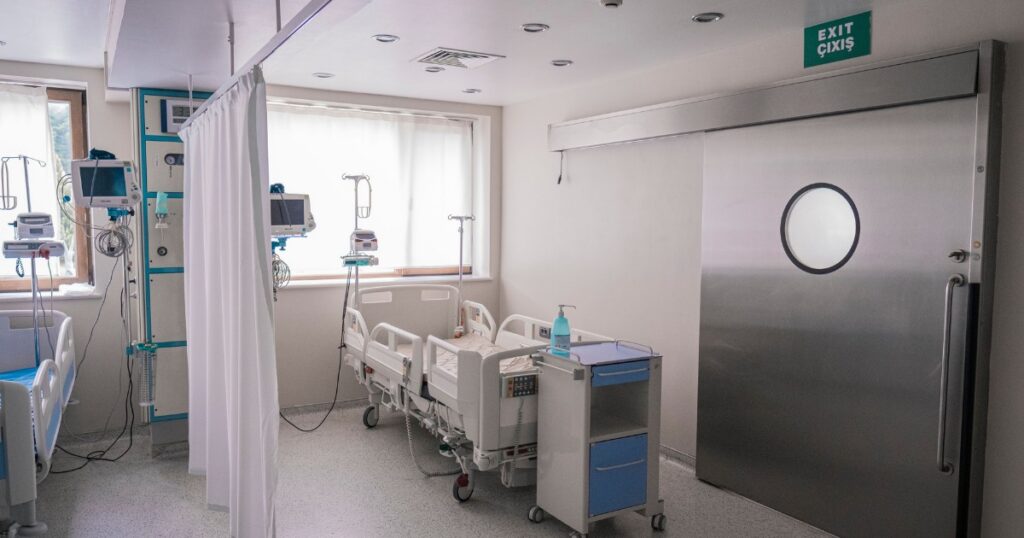
Mental health hospitalization takes place in dedicated psychiatric units or freestanding behavioral health hospitals. These environments are built around safety and structure: 24-hour nursing, on-call psychiatrists, secured spaces, and a predictable daily schedule of therapy, meals, and rest. Adolescent units are kept physically and clinically separate from adult services so that treatment stays developmentally appropriate. A multidisciplinary team of psychiatrists, nurses, therapists, and social workers coordinates every aspect of care.
Admission Criteria and Patient Assessment
Admission is never based on a single symptom. Clinicians evaluate immediate safety, symptom severity, medical needs, and how well the teen is functioning at home and school. A thorough psychiatric assessment reviews personal history, current risk, family circumstances, and available support. Whenever possible, clinicians also gather collateral information from parents, schools, and prior providers to build an accurate picture before making a recommendation. This evaluation determines whether inpatient psychiatric care is warranted or whether a lower level of care, such as partial hospitalization, would meet the need just as effectively.
Psychiatric Crisis Intervention and Acute Stabilization
Many admissions begin during a crisis — a period when a teen may be at risk of harming themselves or others, or is simply unable to function safely. Psychiatric crisis intervention focuses first on immediate safety, then on easing acute distress so the young person can begin to engage in treatment.
Immediate Response Protocols in Mental Health Emergencies
When a teen arrives in crisis, the care team follows established protocols: a rapid risk assessment, close monitoring, and mental health stabilization through a combination of a safe environment, therapeutic support, and, when appropriate, medication. The purpose of acute stabilization is not to resolve every underlying issue but to move the teen out of danger and into a state where therapy becomes possible. In an emergency, families can also call or text 988, the Suicide and Crisis Lifeline, for immediate guidance at any hour.
Residential Mental Health Programs and Their Structure
Residential mental health care differs from hospital-based inpatient treatment. While inpatient care centers on short-term acute stabilization, residential programs offer longer-term therapeutic support in a home-like, non-hospital setting for teens who are stable but still need intensive, structured care.
Therapeutic Environments That Support Recovery
Residential settings blend clinical treatment with daily living skills, education, and peer connection. Teens follow a consistent routine of individual therapy, group sessions, and family involvement while living on-site. This structure gives young people time to practice new coping skills in a supported environment before returning home — an important bridge between acute care and independent daily life. Consistent routines, clear expectations, and steady clinical support help teens rebuild stability at a pace that short hospital stays rarely allow.
Dual Diagnosis Treatment: Addressing Co-Occurring Conditions
Many teens who need inpatient care live with more than one condition. Dual diagnosis treatment addresses a mental health disorder and a substance use disorder at the same time, recognizing that the two are deeply connected and rarely improve when treated in isolation.
Integrated Approaches to Substance Use and Mental Illness
An integrated model treats both conditions with a single, coordinated plan rather than shuttling a teen between separate programs. Therapists address how substance use and psychiatric symptoms feed one another, drawing on evidence-based approaches such as cognitive behavioral therapy and trauma-informed care. This unified approach improves engagement and lowers the risk of relapse after discharge.
Medication Management Within Treatment Plans
Medication is often part of stabilization, but it works best alongside therapy. During mental health hospitalization, psychiatrists may start, adjust, or fine-tune medications while monitoring the response closely in a controlled setting. Careful medication management helps ease severe symptoms, supports participation in inpatient therapy programs, and establishes a regimen the teen can continue safely at home.
Clinical Outcomes and Measurable Progress in Inpatient Settings
Quality inpatient programs track outcomes, not just admissions. Clinicians use standardized rating scales to measure symptom change from intake to discharge, documenting improvements in mood, safety, and daily functioning. Meaningful progress might include reduced suicidal ideation, stronger emotional regulation, a clearer diagnosis, and a workable treatment plan. Because inpatient stays are short — often about a week for acute cases — success is measured less by “full recovery” and more by whether the teen is stable enough to step down safely and keep healing.
Rising demand makes strong outcomes matter more than ever. Among U.S. adolescents ages 12 to 17, the share who received care in a specialty mental health setting rose from 11.8% in 2002 to 16.7% in 2019, according to federal data — underscoring why effective, measurable inpatient care matters.
Recovery Pathways: From Hospital to Community Reintegration
Discharge is a milestone, not an endpoint. Recovery pathways guide teens from the structured safety of the hospital back into school, family, and community life — the stage where lasting change truly takes root.
Discharge Planning and Aftercare Coordination
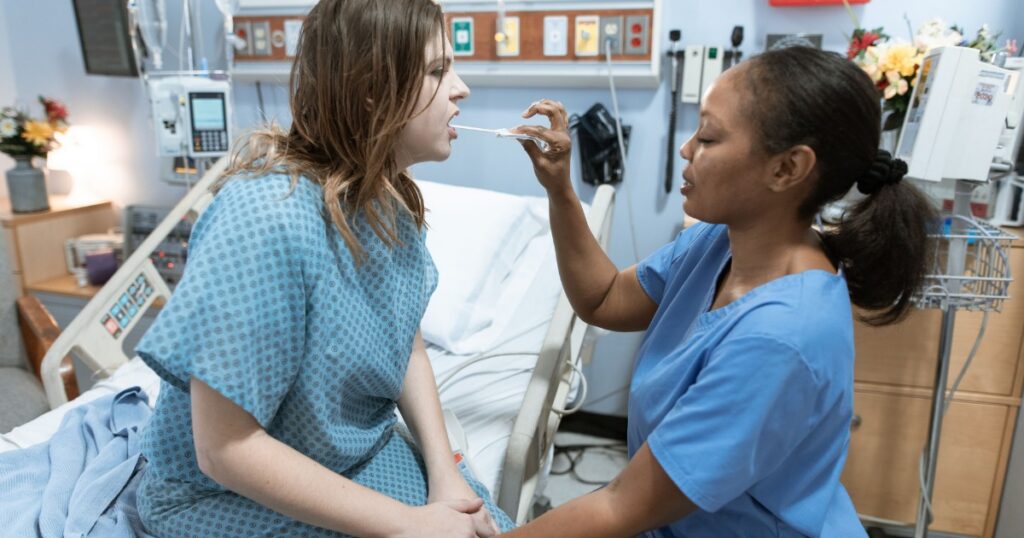
Effective discharge planning begins early in the stay. The team arranges follow-up appointments, outpatient or residential step-down care, medication continuity, and school coordination. Involving families and connecting teens to community resources reduces the chance of readmission and helps sustain the gains made during treatment. Families also leave with practical guidance on the warning signs to watch for and whom to contact if symptoms return. A clear aftercare plan is what turns short-term stabilization into long-term progress.
Specialized Adolescent Mental Health Care at Teen Mental Health Texas
Teen Mental Health Texas provides adolescent-focused care built around the unique developmental needs of young people. Our programs span residential treatment, intensive outpatient (IOP), and virtual IOP available across Texas, combining evidence-based therapy, thoughtful medication management, and meaningful family involvement to support each teen’s recovery. When a teen needs a higher level of acute, hospital-based care, our team helps families understand their options and connect quickly to the right resources.
If your family is navigating a mental health crisis or exploring treatment options, you don’t have to face it alone. Reach out to Teen Mental Health Texas to find the level of care that fits your teen.
FAQs
-
How long does acute psychiatric treatment typically last in inpatient settings?
For teens in acute crisis, inpatient stays are usually short — often several days to about a week. The exact length depends on how quickly the young person stabilizes and whether a safe, appropriate step-down plan is in place. The goal is to resolve the immediate crisis, not to complete all treatment in the hospital.
-
What medications are commonly adjusted during mental health hospitalization for stabilization?
Adjustments depend on each teen’s diagnosis. Psychiatrists may start or fine-tune medications such as antidepressants, mood stabilizers, or antipsychotics, always weighing benefits against side effects. Because the inpatient setting allows close monitoring, it is an ideal environment to observe how a teen responds and to establish a regimen they can continue at home. Every medication decision should be made with the prescribing physician.
-
Can dual diagnosis treatment address both addiction and mental illness simultaneously?
Yes. Dual diagnosis treatment is designed to treat co-occurring substance use and mental health conditions together within one integrated plan. Addressing both at once is more effective than treating them separately, since each condition can worsen the other when left unattended.
-
How do psychiatric crisis intervention teams assess suicide risk during admission?
Clinicians use structured clinical interviews and validated screening tools to evaluate risk and protective factors, recent history, and current symptoms. They also gather information from families and prior providers whenever possible. This comprehensive assessment guides the level of monitoring and the safety plan a teen receives. It is a compassionate, clinical process focused entirely on keeping the young person safe.
-
What happens after inpatient therapy programs conclude with community transition planning?
After discharge, teens typically step down to a lower level of care — such as a partial hospitalization or intensive outpatient program — and continue therapy, medication management, and school support. Ongoing family involvement and community resources help maintain progress and reduce the risk of returning to crisis.
References
1. Agency for Healthcare Research and Quality (AHRQ). “Child and Adolescent Mental Health,” 2022 National Healthcare Quality and Disparities Report. https://www.ncbi.nlm.nih.gov/books/NBK587174/
2. “National Trends in Mental Health Care for US Adolescents.” National Library of Medicine (PMC). https://pmc.ncbi.nlm.nih.gov/articles/PMC7097842/
3. NYC Department of Health and Mental Hygiene. “Child and Adolescent Mental Health Inpatient Services.” https://www.nyc.gov/site/doh/health/health-topics/child-and-adolescent-mental-health-inpatient.page
4. “Trauma and Post-Traumatic Stress Disorder Among Psychiatric Inpatient Children and Adolescents.” National Library of Medicine (PMC). https://www.ncbi.nlm.nih.gov/pmc/articles/PMC5632768/