

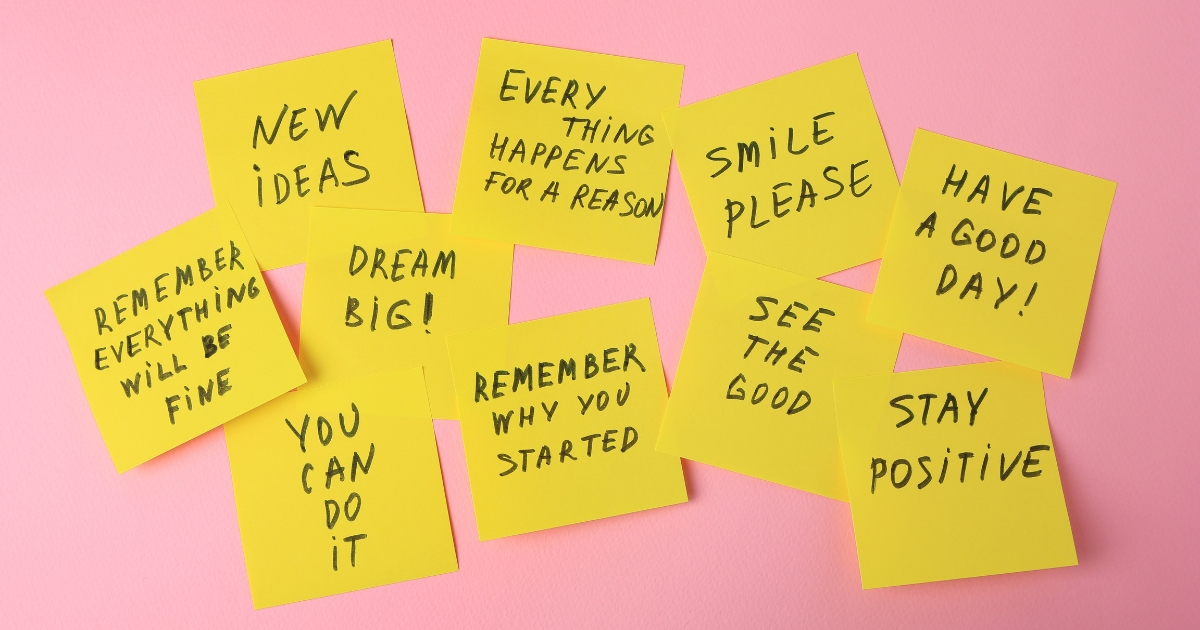
Words of affirmation are verbal or written expressions of appreciation, encouragement, and support that validate a person’s worth and efforts. For teenagers navigating the complex emotional landscape of adolescence, these positive statements serve as powerful tools for building self-esteem and emotional resilience. Whether delivered by parents, peers, teachers, or through self-talk, affirmations help teens develop a healthier internal dialogue during a developmental stage marked by identity formation and heightened sensitivity to social feedback.
Understanding what words of affirmation are and how to use them effectively can transform teen mental health outcomes. This communication style addresses the adolescent need for validation while counteracting negative thought patterns common in anxiety and depression. By exploring love language examples, practical affirmation techniques, and the psychological mechanisms behind encouraging words, parents and teens can harness this approach to strengthen relationships and support emotional well-being.
Words of Affirmation as a Love Language and Communication Tool
Psychologist Gary Chapman identified five love languages—words of affirmation, acts of service, quality time, physical touch, and receiving gifts—as distinct ways people express and receive love. When teens ask, “What are words of affirmation?” in their own relationships, the answer often emerges through observing which compliments they remember weeks later.
For teenagers, love language examples manifest differently than in adult relationships. A teen whose primary love language is affirmation might feel most valued hearing “I’m proud of how you handled that conflict” rather than receiving gifts. Peer relationships also reflect this dynamic: a supportive text from a friend saying “You’re going to do great on that presentation” can carry more emotional weight than an invitation to hang out.
Why Affirmations Matter for Teen Mental Health and Self-Esteem
The adolescent brain responds to positive verbal input in measurable ways. When parents and caregivers understand words of affirmation and how they function neurologically, they can use them more strategically to support teen mental health. Consistent, specific affirmations help rewire thought patterns by providing alternative narratives to harsh self-criticism. When a teen repeatedly hears “Your effort matters more than perfect results,” that message gradually challenges the all-or-nothing thinking common in anxiety disorders.
Understanding why affirmations matter helps explain how building self-esteem through words creates a buffer against the unique stressors adolescents face today. Social media comparison, academic pressure, and peer dynamics can erode confidence rapidly. Affirmations serve as psychological armor, reminding teens of their inherent value when external circumstances feel overwhelming.
- Reduced symptoms of anxiety and depression through cognitive reframing
- Stronger sense of belonging in family and peer relationships
- Increased confidence to take healthy risks and try new experiences
- Better academic performance linked to growth mindset development
- Healthier coping mechanisms when facing stress or disappointment
- Improved communication skills and ability to express needs
Giving and Receiving Affirmations That Resonate With Teens
Learning how to give affirmations effectively starts with understanding what makes them resonate with adolescents. In practice, effective affirmations share three characteristics: specificity, authenticity, and timeliness. Generic praise like “good job” lacks the impact of specific observations such as “I noticed you stayed calm when your brother was annoying you—that took real maturity.” Teens quickly detect inauthentic flattery, so affirmation phrases for teens must reflect genuine observation rather than empty encouragement.
Different relationships call for different affirmation styles. Parents might say “I love watching you figure things out on your own” to support growing independence, while friends might text “You always know how to make me laugh when I’m stressed.” Romantic relationships benefit from positive affirmations for relationships like “I appreciate how you listen without judging.” Self-talk might include “I’m doing the best I can with what I know right now.”
| Relationship Context | Examples of Encouraging Words | Why It Works |
|---|---|---|
| Parent to Teen | “Your perspective helps me see things differently” | Validates their growing autonomy and unique viewpoint |
| Peer to Peer | “You’re the friend everyone can count on” | Reinforces their value within the social group |
| Romantic Partner | “I feel safe talking to you about hard stuff” | Acknowledges emotional intimacy and trust |
| Self-Affirmation | “I handled that situation better than I would have last year” | Recognizes personal growth and progress over time |
Many teens worry that giving or receiving affirmations feels awkward or forced. Parents can start with low-stakes observations like “I noticed you helped your sister without being asked,” then progress to deeper affirmations as comfort grows.
Integrating Affirmations Into Daily Teen Life
Written affirmations offer unique benefits for teens who process information visually or need reminders during difficult moments. The table below shows practical implementation methods.
| Affirmation Method | Implementation Strategy |
|---|---|
| Morning Mirror Practice | Teen states one specific strength or positive quality before school |
| Gratitude Journal | Write three things handled well each day, focusing on effort, not outcomes |
| Phone Reminders | Set alerts with personalized encouraging messages at stress-prone times |
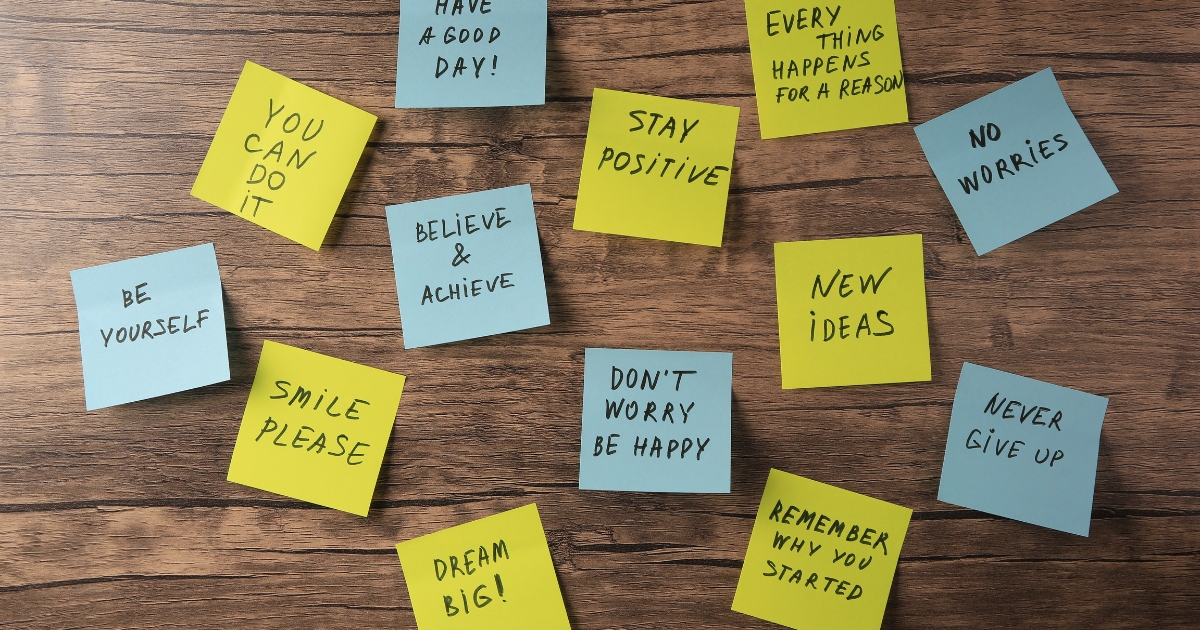
| Family Affirmation Jar | Members write notes recognizing each other’s positive actions throughout the week |
| Peer Affirmation Exchange | Close friends agree to send one genuine compliment weekly via text |
Parents often ask, “What are words of affirmation that work for resistant teens?”—the answer lies in starting small with low-stakes observations rather than grand declarations. Self-affirmation requires practice and patience. Realistic, present-tense statements like “I’m working on managing my anxiety” work better than aspirational claims the brain rejects. Affirmations focused on inherent worth—”I deserve respect and kindness”—build stronger foundations than conditional statements tied to performance or appearance.
Expressing Appreciation Authentically
Some teens resist affirmations because they can’t distinguish genuine affirmation from manipulative praise—past experiences taught them that compliments often precede criticism or come with strings attached. Others struggle with imposter syndrome, feeling they don’t deserve positive recognition. When teens dismiss compliments, caregivers should acknowledge the feeling without backing down: “I understand it’s hard to accept, and I mean it anyway.”
How to Express Appreciation in Different Teen Contexts
The most effective affirmations reflect both the teen’s developmental stage and the specific relationship context in which they’re offered. Younger adolescents often respond well to affirmations about effort and character development, while older teens appreciate recognition of their unique perspectives and growing independence. Peer affirmations carry particular weight during middle and high school years, when social belonging becomes a primary concern. Teaching teens how to express appreciation through genuine compliments to friends strengthens both the giver’s empathy skills and the receiver’s sense of value within their social network.

Words That Heal at Teen Mental Health Texas
While affirmations provide powerful support for adolescent mental health, they work best as part of a comprehensive approach that includes professional guidance when needed. If your teen struggles with persistent low self-esteem, anxiety, depression, or relationship challenges despite consistent encouragement at home, therapy can help address underlying issues that words alone cannot resolve. Teen Mental Health Texas offers specialized treatment programs that integrate evidence-based therapeutic techniques with family support strategies, including communication skills training that helps families learn effective affirmation techniques. Our clinicians understand the unique developmental needs of adolescents and create treatment plans that build on each teen’s strengths while addressing mental health concerns. If you’re concerned about your teen’s emotional well-being or want to strengthen your family’s communication patterns, reach out to our team to discuss how we can support your teen’s journey toward greater confidence and emotional resilience.
FAQs
These common questions help clarify how affirmations support teen mental health and how families can implement them effectively.
1. What are some examples of words of affirmation for teenagers?
Effective affirmations for teens acknowledge specific efforts, character traits, or growth rather than generic praise. Examples include “I’m proud of how you handled that difficult conversation,” “Your creativity in solving that problem impressed me,” and “I notice how you support your friends when they’re struggling.” Teen-specific affirmations recognize their developing independence and unique perspectives rather than treating them as children.
2. Can affirmations actually help teens with anxiety and depression?
Consistent affirmations support mental health treatment by challenging the negative thought patterns characteristic of anxiety and depression. While not a replacement for therapy, affirmations complement professional treatment by reinforcing positive self-perception and providing emotional support during difficult moments. Research shows that positive verbal input activates reward centers in the adolescent brain and strengthens neural pathways associated with self-worth.
3. How often should parents give their teens affirming words?
Daily affirmations work best when they’re genuine and specific rather than forced or excessive. Parents should aim for several meaningful affirmations each week, focusing on character, effort, and specific behaviors rather than generic praise. Quality matters more than quantity—one authentic observation about a teen’s kindness or perseverance carries more weight than a dozen vague compliments.
4. What if my teenager doesn’t respond well to verbal praise?
Some teens prefer written affirmations like notes, texts, or cards that they can revisit privately when needed. Others may have different primary love languages and feel most supported through quality time spent together or acts of service that demonstrate care. Observing how your teen naturally expresses appreciation to others often reveals their preferred way of receiving affirmation.
5. How can teens practice self-affirmation for better mental health?
Teens can write daily affirmations in journals, create phone reminders with encouraging messages, practice mirror affirmations before school, or develop personalized mantras for stressful situations. Self-affirmation works best when statements are realistic, present-tense, and focused on inherent worth rather than conditional achievements.