

25 Mental Health Activities to Support Your Teen’s Well-Being
Key Takeaways
- Mental health activities give teens hands-on tools to manage stress, process emotions, and build resilience before challenges escalate.
- Consistency beats intensity — short, regular practice creates habits that stick.
- A blend of solo reflection and group connection supports both emotional growth and social confidence.
- These activities strengthen everyday coping but don’t replace professional care when a teen is struggling.
- Teen Mental Health Texas provides expert guidance and treatment when your family needs more support.
Adolescence is a season of rapid change. Between academic pressure, shifting friendships, social media, and a brain that is still developing, it is no surprise that many teens feel overwhelmed. The good news is that the right mental health activities give your teen practical, everyday tools to manage those pressures and feel more in control. Below are 25 activities — spanning journaling, creative expression, mindfulness, group connection, and daily routines — that parents, counselors, and teens themselves can put into practice right away.
Why Mental Health Activities Matter for Teen Development
The teenage years are a critical window for emotional development. The prefrontal cortex — the part of the brain responsible for planning, impulse control, and emotional regulation — is still maturing well into the twenties. That makes adolescence the ideal time to teach coping strategies that will serve teens for life. Structured mental health activities help teens name what they feel, respond to stress instead of reacting to it, and build a genuine sense of agency over their well-being.
How Regular Practice Builds Resilience
Resilience is not a fixed trait some teens are simply born with — it is a skill built through repetition. Research on adolescent well-being consistently points to protective factors such as strong social connections, positive coping skills, and regular physical activity as buffers against stress and low mood. Practicing small, healthy responses to everyday challenges wires those responses into habit, so that when bigger difficulties arrive, your teen already has a toolkit to draw from. Consistency is what turns an activity into a lasting coping skill. Think of it like training a muscle: each small rep of a healthy response strengthens a teen’s capacity to bounce back. Over weeks and months, that repeated practice can lower baseline stress and make setbacks feel more manageable.
Therapeutic Activities for Teenagers That Promote Emotional Growth
Therapeutic activities for teenagers work best when they give feelings a safe outlet. Writing and art both let teens externalize what is happening inside — often surfacing emotions they could not yet put into words.
Journaling and Reflective Writing Exercises
Journaling is one of the simplest and most flexible tools for emotional growth. Try these five:
- Gratitude journaling — writing down three things they are thankful for each day shifts attention toward the positive.
- Brain dump — a timed, unfiltered page that clears racing thoughts before bed or a big test.
- Prompt-based reflection — questions like “What drained me today? What energized me?” build self-awareness.
- Unsent letters — writing to a person or situation with no plan to send it releases pent-up feelings safely.
- Mood tracking — logging daily mood and triggers helps teens spot patterns over time.
Art-Based Expression and Creative Outlets
Creative expression in teen therapy reaches feelings that words cannot always access — and no artistic skill is required:
- Emotion color mapping — assigning colors to feelings and filling a page with them.
- Vision boards — collaging goals and hopes to build a sense of direction.
- Playlist making — curating music that names or gently shifts a mood.
- Clay or sculpting — working with the hands to ground restless, anxious energy.
- Photography walks — capturing images outdoors that combine movement, nature, and creativity.
Coping Skills for Adolescent Stress Management
When stress spikes, teens need fast, reliable ways to reset the nervous system. These coping skills for adolescent stress can be used anywhere — before an exam, after a conflict, or in the middle of a spiraling thought. Many of the most effective options are short mindfulness exercises for teens that take under five minutes and require no special equipment.
Breathing Techniques and Body Scans
Emotional regulation techniques for adolescents often start with the breath, because slowing it down signals the body to calm:
- Box breathing — inhale, hold, exhale, and hold for four counts each.
- 4-7-8 breathing — a longer exhale that eases the body toward rest.
- Progressive muscle relaxation — tensing and releasing muscle groups from head to toe.
- Body scan — mentally checking in with each part of the body to notice and release tension.
- 5-4-3-2-1 grounding — naming five things you see, four you hear, three you feel, and so on to anchor in the present.
Group Therapy Activities for Youth Connection and Support
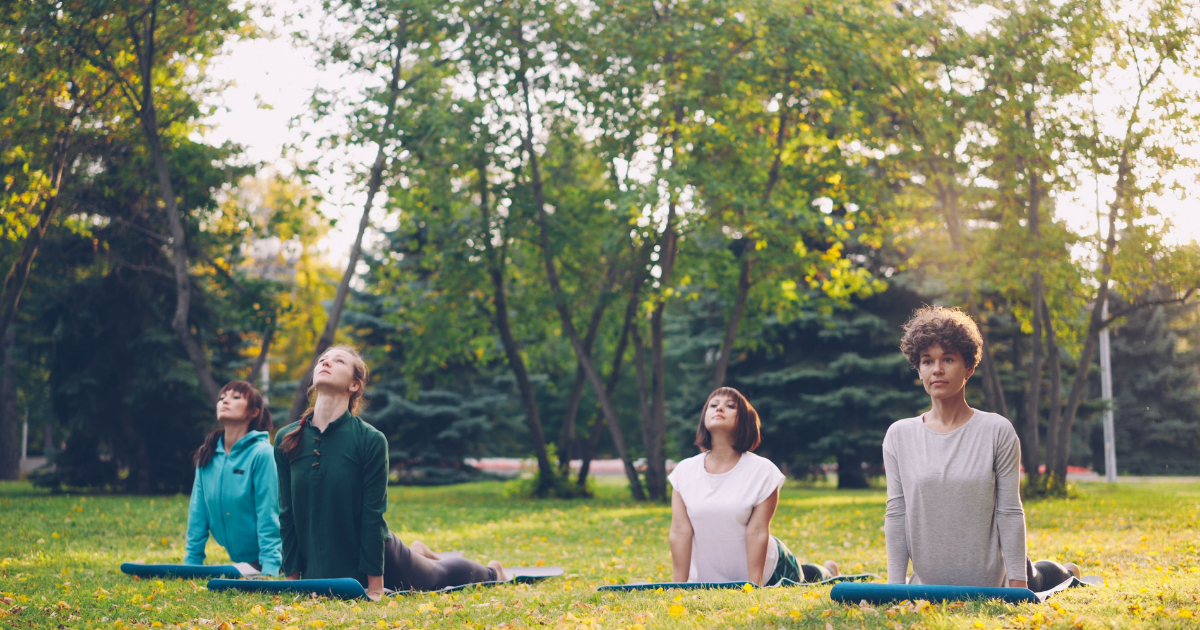
Isolation makes hard feelings heavier. Group therapy activities for youth remind teens they are not alone and give them a safe space to practice social skills. Sharing a space with peers who face similar pressures normalizes their experience and eases the sense that something is wrong with them. In a facilitated setting, teens also learn to give and receive support — a skill that carries over into friendships, family, and future relationships.
Role-Playing Scenarios and Peer Feedback
These structured exercises give teens a low-stakes way to rehearse real situations before they face them:
- Role-playing tough conversations — rehearsing how to set a boundary or resolve a conflict.
- Peer feedback circles — offering and receiving supportive, structured feedback.
- Team problem-solving challenges — cooperative tasks that build trust and communication.
- Shared storytelling — taking turns adding to a story to spark creativity and connection.
- Group check-ins — using a feelings wheel to name emotions out loud at the start of a session.
Building Daily Wellness Routines for Teenagers
Big overhauls rarely stick; small, repeatable habits do. Daily wellness routines for teenagers create a steady rhythm that supports mood, focus, and sleep. Predictable routines also cut down on the number of daily decisions a teen has to make, freeing up mental energy for the things that matter most.
Morning Rituals and Evening Wind-Down Practices
Anchoring the day at both ends helps teens feel steadier from the moment they wake to the moment they fall asleep:
- Consistent sleep schedule — going to bed and waking at similar times, even on weekends.
- Morning movement — a short stretch or walk to start the day with energy.
- Screen-free wind-down — powering down devices 30 to 60 minutes before bed.
- Intention setting — naming one small, achievable goal each morning.
- Evening reflection — writing down three good things from the day before sleep.
Transform Your Teen’s Well-Being With Teen Mental Health Texas
Everyday activities can make a real difference — but sometimes your teen needs more than at-home tools. If you notice ongoing sadness, anxiety, withdrawal, or changes in sleep, appetite, or behavior, professional support can help. Teen Mental Health Texas offers compassionate, evidence-based care tailored to adolescents and their families. Reach out today to talk with our team and find the right path forward.
If your teen is in immediate crisis or having thoughts of self-harm, call or text 988 to reach the 988 Suicide and Crisis Lifeline any time, day or night.

FAQs
-
How often should teens practice mental health activities to see real improvement?
Consistency matters more than duration. Even 5 to 10 minutes most days tends to be more effective than an occasional long session. Many teens notice small shifts in mood and stress within a few weeks of daily practice, with deeper benefits building over the following months.
-
Can mental health activities replace professional therapy for struggling adolescents?
No. These activities are valuable for building everyday coping skills and supporting well-being, but they are not a substitute for professional care. If a teen shows persistent distress, hopelessness, or any thoughts of self-harm, reach out to a licensed mental health provider right away.
-
Which therapeutic activities for teenagers work best for anxiety and depression?
Breathing exercises, mindfulness exercises for teens, journaling, and regular physical activity all have research support for easing anxiety and low mood. The most effective activity is usually the one a teen will actually do consistently, so let them experiment and choose what fits.
-
How do coping skills for adolescent stress help during school and social pressures?
Coping skills give teens a way to pause and reset before stress takes over — slowing the breath before a test, grounding after a conflict, or journaling to process a hard day. Over time, these tools reduce reactivity and help teens feel more capable under pressure.
-
Why do group therapy activities for youth build stronger peer connections than solo exercises?
Group activities let teens see that others share their struggles, which reduces shame and isolation. Practicing communication, empathy, and feedback in a supportive setting builds social confidence that solo exercises alone cannot replicate.
References
Centers for Disease Control and Prevention (2024). CDC Data Show Improvements in Youth Mental Health but Need for Safer and More Supportive Schools. cdc.gov
Melnyk, B. M. (2024). The evidence-based COPE program: Reducing the time between diagnosing and treating depression and anxiety in youth. ncbi.nlm.nih.gov
Dunning, D. L., et al. (2019). Research Review: The effects of mindfulness-based interventions on cognition and mental health in children and adolescents. ncbi.nlm.nih.gov
Dahlstrand, J., et al. (2021). Coping strategies mediate associations between physical activity and mental health problems in adolescents. ncbi.nlm.nih.gov