 Skip to content



Crippling Anxiety: How to Regain Control When Fear Overwhelms Your Daily Life
Key Takeaways
- Crippling anxiety goes beyond everyday worry — it is intense, persistent fear that interferes with school, work, relationships, and basic daily routines.
- Severe anxiety symptoms show up both physically (racing heart, chest tightness, fatigue) and emotionally (dread, irritability, avoidance).
- Panic attacks, social anxiety, and generalized anxiety disorder are distinct conditions — but all are highly treatable.
- Effective anxiety treatment usually combines therapy such as CBT, medication when appropriate, and daily coping strategies.
- You do not have to manage crippling anxiety alone. Reaching out for professional support early can help you regain control.
Everyone feels nervous before a big test or the first day at a new school. But when fear stops feeling temporary and starts running your life, you may be dealing with something more serious. Crippling anxiety is far more than ordinary stress — it can make simple tasks feel impossible, drain your energy, and pull you away from the people and activities you care about.
The good news is that crippling anxiety is highly treatable. This guide breaks down what it looks like, how to recognize the warning signs, and the proven steps you can take to regain control of your daily life.
What Is Crippling Anxiety and How It Differs From Everyday Worry
Everyday worry is a normal, healthy response to stress. It comes and goes, stays proportionate to the situation, and usually fades once the problem passes. Crippling anxiety is different. It is intense, persistent, and often out of proportion to any real threat. Instead of motivating you to prepare and act, it freezes you in place.
The word “crippling” points to the core problem: this level of anxiety interferes with your ability to function. Getting out of bed, attending class, answering a text, or leaving the house can feel overwhelming. When anxiety consistently disrupts your school, work, relationships, or basic routines, it has crossed the line from ordinary worry into a condition that deserves attention and care.
The Physical and Emotional Toll of Severe Anxiety Symptoms
Severe anxiety symptoms affect both body and mind. Physically, you might notice a racing heartbeat, shortness of breath, chest tightness, trembling, sweating, headaches, stomach problems, or trouble sleeping. Because the body stays on high alert, many people also feel exhausted even after resting.
Emotionally, crippling anxiety can bring a constant sense of dread, irritability, restlessness, and difficulty concentrating. Some people withdraw from friends or avoid situations that trigger their fear. Over time, this cycle of avoidance can shrink your world and make the anxiety feel even more powerful than it really is.
Recognizing Panic Attacks and Anxiety Disorder Symptoms
Anxiety disorders show up in different ways, and learning to recognize the signs is the first step toward getting help. An anxiety disorder is more than a passing feeling — it is a diagnosable condition marked by excessive fear or worry that lasts for months and interferes with daily life.
When Fear Takes Over Your Body’s Response System
Your brain is wired to protect you. When it senses danger, the amygdala triggers the fight-or-flight response, flooding your body with adrenaline and cortisol. Your heart beats faster, your muscles tense, and your senses sharpen — all useful reactions if you are facing a genuine threat.
With crippling anxiety, this alarm system misfires. It switches on when there is no actual danger, or stays stuck in the “on” position long after a stressful moment has passed. The result is a body that feels constantly under attack, even during ordinary situations.
How Panic Attacks Differ From Other Anxiety Manifestations
Panic attacks are sudden, intense surges of fear that peak within minutes. Symptoms can include a pounding heart, chest pain, dizziness, shaking, numbness, and a frightening sense that you are losing control. Because the physical symptoms are so strong, many people mistake a panic attack for a heart attack.
Unlike the ongoing, low-grade tension of generalized anxiety, panic attacks come in waves. They may strike without warning or be tied to specific triggers. Knowing the difference helps you and your support team choose the right anxiety treatment approach.
The Impact of Social Anxiety on Daily Functioning
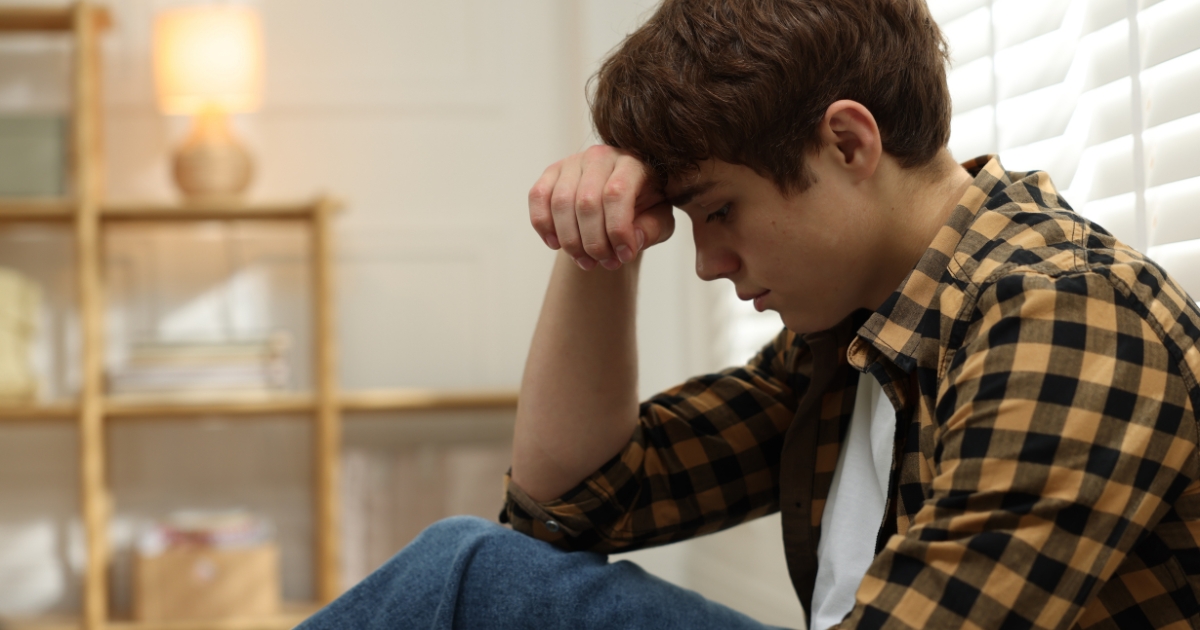
Social anxiety is far more than shyness. It is an intense fear of being judged, embarrassed, or rejected in social situations. For teens especially, this can make school, group projects, dating, and even eating in the cafeteria feel unbearable.
When social anxiety takes hold, everyday interactions turn into sources of dread. Students may skip class, avoid raising their hand, or turn down invitations to protect themselves from perceived judgment. Left unaddressed, this avoidance can hurt grades, friendships, and self-esteem — but with the right support, social anxiety responds very well to treatment.
Understanding Generalized Anxiety Disorder and Its Patterns
Generalized anxiety disorder (GAD) involves excessive, hard-to-control worry about many areas of life — school, health, family, the future — that lasts for six months or longer. People with GAD often describe their minds as never switching off.
Why Constant Worry Becomes Unmanageable
With GAD, worry feeds on itself. One anxious thought leads to another, creating a loop that is difficult to break. You might worry about a problem, then worry about how much you are worrying, then worry about the physical symptoms the stress is causing.
This constant mental activity is exhausting and can lead to trouble sleeping, muscle tension, irritability, and difficulty focusing. Because the worry is spread across so many topics, it can be hard to pinpoint a single cause — which is exactly why professional support makes such a difference.
Effective Anxiety Treatment Options That Actually Work
Crippling anxiety is one of the most treatable mental health conditions. Most people improve significantly with the right combination of therapy, medication, and lifestyle support. The key is finding an approach tailored to your specific needs.
Therapeutic Approaches for Regaining Control
Cognitive behavioral therapy (CBT) is considered the gold standard for treating anxiety. It helps you identify the thought patterns that fuel your fear and replace them with healthier, more realistic ones. Exposure therapy, a form of CBT, gradually helps you face feared situations in a safe, controlled way until they lose their power.
Other effective options include acceptance and commitment therapy (ACT) and mindfulness-based approaches, which teach you to observe anxious thoughts without being controlled by them. A licensed therapist can help you choose the method that fits your situation best.
Medication and Medical Interventions
For some people, therapy alone is enough. Others benefit from medication, especially when symptoms are severe. Doctors commonly prescribe antidepressants such as SSRIs and SNRIs, which can ease anxiety over time by helping to balance brain chemistry.
Medication decisions should always be made with a qualified medical provider who can weigh the benefits, monitor side effects, and adjust the plan as needed. For teens, this care should be coordinated closely with parents or guardians. Medication often works best when combined with therapy rather than used on its own.
Practical Anxiety Relief Strategies You Can Use Today
While professional treatment is essential for crippling anxiety, several strategies can bring anxiety relief in the moment and support your overall recovery:
- Practice slow, deep breathing to calm your nervous system — try inhaling for four counts, holding for four, and exhaling for six.
- Use grounding techniques, such as naming five things you can see, four you can touch, three you can hear, two you can smell, and one you can taste.
- Move your body. Regular exercise, even a short walk, lowers stress hormones and lifts your mood.
- Protect your sleep by keeping a consistent schedule and limiting screens before bed.
- Cut back on caffeine and energy drinks, which can intensify anxiety symptoms.
- Talk to someone you trust instead of carrying the weight alone.
These tools work best as part of a larger plan, not a replacement for professional care.
Getting Professional Support at Teen Mental Health Texas
You do not have to face crippling anxiety alone. At Teen Mental Health Texas, our compassionate team specializes in helping teens and families understand, manage, and overcome anxiety disorders, panic attacks, social anxiety, and generalized anxiety disorder. We create personalized treatment plans built around each teen’s unique needs, combining proven therapies with genuine care.
If fear is taking over your daily life — or your child’s — reaching out is a powerful first step toward feeling like yourself again. Contact Teen Mental Health Texas today to learn how we can help you regain control and build a calmer, more confident future.
If you or a teen you love is in immediate crisis or having thoughts of self-harm, call or text 988 to reach the Suicide & Crisis Lifeline any time for free, confidential support.
This article is for educational purposes only and is not a substitute for professional diagnosis or treatment. Always consult a qualified provider about your specific situation.

FAQs
1. Can severe anxiety symptoms appear suddenly without warning signs?
Yes. Anxiety can build gradually, but panic attacks and acute anxiety episodes often strike suddenly, sometimes with no obvious trigger. Stress, hormonal changes, and certain situations can spark symptoms without much warning. If sudden episodes are disrupting your life, a professional evaluation can help identify the cause and the right treatment.
2. How long do panic attacks typically last and when should you seek help?
Most panic attacks peak within minutes and typically ease within 20 to 30 minutes, though aftereffects like fatigue can linger longer. You should seek help if attacks are frequent, interfere with daily activities, or cause you to avoid places and situations out of fear of another episode.
3. Does social anxiety get worse over time without proper anxiety treatment?
It often can. When social anxiety goes untreated, avoidance tends to reinforce the fear, making situations feel harder over time and shrinking a person’s world. Early treatment, especially therapy, can reverse this pattern and help rebuild confidence.
4. What physical symptoms signal generalized anxiety disorder versus normal stress responses?
Normal stress usually fades once the stressful event passes. GAD involves persistent physical symptoms — muscle tension, fatigue, restlessness, trouble sleeping, and difficulty concentrating — that last six months or more and are hard to control. When physical symptoms stick around without a clear cause, it is worth talking to a professional.
5. Which anxiety relief methods work fastest for immediate symptom management?
Deep breathing and grounding techniques tend to work fastest in the moment because they calm the nervous system directly. Slowing your exhale, focusing on your senses, and stepping away from the trigger can reduce symptoms within minutes. For lasting relief, pair these tools with professional treatment.
References
- National Institute of Mental Health (NIMH), Anxiety Disorders — https://www.nimh.nih.gov/health/topics/anxiety-disorders
- National Institute of Mental Health (NIMH), Generalized Anxiety Disorder — https://www.nimh.nih.gov/health/publications/generalized-anxiety-disorder-gad
- Anxiety and Depression Association of America (ADAA), Understand the Facts — https://adaa.org/understanding-anxiety
- Mayo Clinic, Anxiety Disorders — https://www.mayoclinic.org/diseases-conditions/anxiety/symptoms-causes/syc-20350961


