 Skip to content




Vocal Stimming in Autism: Why Self-Soothing Sounds Matter More Than You Think
Key Takeaways
- Vocal stimming is a natural form of self-regulation — repetitive, self-soothing sounds that help many autistic people manage emotions and sensory input.
- These self-soothing sounds serve real purposes: calming stress, sharpening focus, expressing joy, and coping with overwhelm.
- Common vocal stim examples include humming, repeating words or phrases, and making rhythmic noises.
- Stimming behaviors are healthy and usually should not be suppressed; forcing a teen to stop can increase distress.
- Professional support helps when a stim causes harm or genuinely gets in the teen’s way — while still respecting their need to self-regulate.
When an autistic teen hums the same tune on repeat, echoes a favorite phrase, or makes rhythmic sounds, it is easy for others to read it as random or something to correct. In reality, these are often examples of vocal stimming — repetitive, self-soothing sounds that help the brain and body stay regulated.
Far from meaningless, vocal stimming is a valuable coping tool. This guide explains what vocal stimming is, the science behind it, common examples, and how to support autistic teens in ways that respect their need to self-regulate.
What Is Vocal Stimming and Why It Matters for Autistic Individuals
Vocal stimming is a type of self-stimulatory behavior that uses sound. Broadly, stimming is a repeated action or sound that helps a person self-regulate. Vocal stimming is one piece of the larger world of autism stimming, which also includes movement-based stims like rocking or hand-flapping and object-based stims. What sets vocal stimming apart is that it uses repeated sounds — humming, repeating words, or making noises — to create comforting, predictable feedback. It matters because it is one of the main ways many autistic people manage a nervous system that takes in the world more intensely.
How Self-Soothing Sounds Function as Regulation Tools
Self-soothing sounds work by giving the nervous system steady, self-generated input the person can control. When the world feels overwhelming or unpredictable, a familiar sound offers something reliable to hold onto. These self-soothing sounds can lower stress, ease anxiety, and help a teen return to a calmer baseline. They can also carry strong positive emotion — many autistic people vocalize when they are excited or happy.
The Science Behind Repetitive Vocalization in Autism
Repetitive vocalization is not random; it reflects how the autistic brain processes sensory and emotional information. Research increasingly recognizes stimming as an adaptive coping mechanism rather than a symptom to erase. In one widely cited study of 32 autistic adults, participants described stimming as a self-regulatory mechanism that soothes intense emotions and thoughts, and they objected to approaches designed to eliminate it.
Sensory Stimulation and Brain Response
Sensory stimulation is central to why repetitive vocalization helps. Autistic people are often more sensitive to input like sound, light, and texture, which can lead to sensory overload — or, at other times, understimulation. Producing a repetitive sound creates a controllable feedback loop that helps the brain find balance, a bit like nudging a thermostat back toward a comfortable range. Because the input is self-generated, the teen decides when it starts and stops, and that sense of control is a large part of what makes it calming. This predictable sensory stimulation can block out overwhelming input and restore a feeling of steadiness.
The Role of Self-Regulation in Daily Functioning
Self-regulation is the ability to manage emotions, attention, and arousal. For autistic teens, vocal stimming often supports self-regulation across the school day — easing transitions, calming pre-test nerves, and helping maintain focus. When a teen can regulate, they are better able to learn, connect with others, and take part in daily life. Removing that tool without offering a replacement tends to make functioning harder, not easier.
Common Vocal Stim Examples and Their Functions
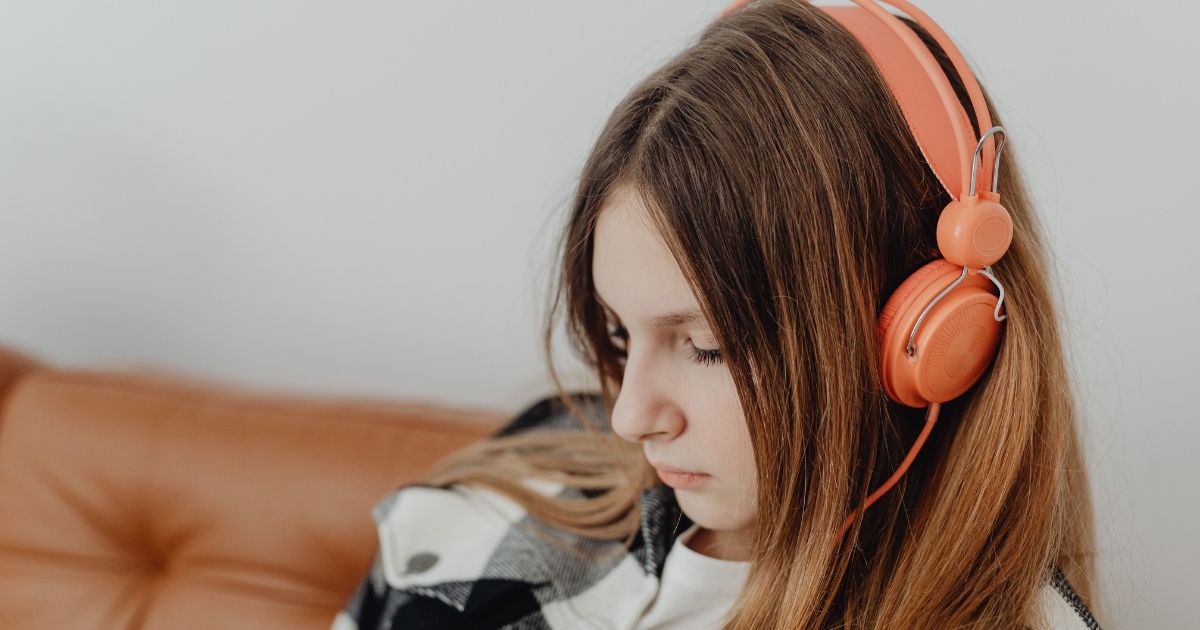
Common vocal stim examples include humming or singing the same tune; repeating words, phrases, or lines from favorite shows (a pattern called echolalia); making rhythmic clicks, pops, or throat sounds; whistling; repeating sound effects; and quiet murmuring. Each can serve a different function — calming during stress, focusing attention, self-expression, or simple enjoyment. The same sound might soothe in one moment and express excitement in the next, so the purpose matters more than the noise itself.
Stimming Behaviors: More Than Just Repetitive Actions
Stimming behaviors span far more than sound. They include motor stims such as rocking and hand-flapping, visual stims like watching spinning objects, and tactile stims such as rubbing a texture. Across every type, the underlying purpose is similar: regulation, sensory input, emotional expression, or communication. Seeing vocal stimming as one thread in this larger pattern helps families respond with understanding rather than alarm.
Distinguishing Between Adaptive and Disruptive Vocal Tics
It helps to separate two things that can look alike. Vocal stims are self-regulatory and can usually be delayed or shifted, while vocal tics — such as those seen in Tourette syndrome — are involuntary and harder to control. Most vocal stimming is adaptive: it helps the person and harms no one. A stim is only worth addressing when it genuinely creates problems for the teen themselves — for example, if it is physically painful or self-injurious, or the teen wants help finding a quieter option for certain settings. In other words, “disruptive” should mean disruptive to the teen’s own safety or goals, not simply noticeable to other people.
Self-Regulation Techniques for Managing Vocal Stimming
When a teen wants or needs alternatives in specific situations, self-regulation techniques can complement — never replace — their natural stims. Helpful options include offering a discreet substitute such as a chewable necklace or headphones with preferred sounds; teaching breathing or grounding skills for moments of overwhelm; scheduling regular sensory breaks; and identifying triggers ahead of time so the teen can prepare. The goal is always more choices, not fewer, and certainly not simply stopping the stim.
When Vocal Stimming Becomes Challenging: Support Strategies
Sometimes vocal stimming does create real challenges — when it interferes with the teen’s own learning, harms them physically, or causes them distress. In those situations, thoughtful support helps far more than suppression, which usually adds stress and can lead to burnout.
Creating Sensory-Friendly Environments
Many stims intensify when an environment is overwhelming. Reducing triggers — softening lighting, lowering background noise, and offering quiet spaces or noise-canceling headphones — can ease the underlying overload. Small adjustments at home and school, such as a predictable routine and a designated calm-down space, often make a noticeable difference. When the sensory load drops, the need to stim intensely tends to ease on its own, without anyone forcing it.
Working With Professionals to Address Concerns
Neurodiversity-affirming professionals — occupational therapists, speech-language pathologists, and therapists experienced with autism — can help a family understand a specific stim’s function and find respectful supports. Effective approaches build skills and adjust environments; they do not aim to eliminate stimming or shame a teen for how they self-regulate.
Building Better Outcomes With Teen Mental Health Texas
At Teen Mental Health Texas, our team supports autistic teens and their families with compassionate, neurodiversity-affirming care. We help teens strengthen self-regulation skills, build sensory-friendly plans, and address any concerns around vocal stimming while honoring each teen’s need to self-regulate.
If you have questions about your teen’s stimming or want personalized guidance, reach out to Teen Mental Health Texas today — we are here to help your family feel understood and supported.
This article is for educational purposes only and is not a substitute for individualized advice from a qualified professional. Stimming is a natural form of self-regulation, and any decision to change a stim should center the autistic person’s own wellbeing and preferences.

FAQs
-
How do self-soothing sounds help autistic individuals regulate emotions throughout the day?
Self-soothing sounds give the nervous system steady, predictable input a person can control, which helps calm stress and ease anxiety. Across a busy day, a quick hum or repeated phrase can help a teen reset between demands, move through transitions, and return to a calmer baseline. The same sounds can also channel strong positive emotions like excitement.
-
Can vocal stimming behaviors serve different purposes depending on sensory needs and environment?
Yes. The same vocal stim can calm overload in a loud room, add input when a setting feels understimulating, or express joy in a happy moment. The purpose shifts with the person’s sensory needs and surroundings, which is why context matters more than the specific sound. Understanding the function is the key to offering the right support.
-
What self-regulation techniques reduce disruptive vocal tics without eliminating beneficial stimming?
Person-centered strategies work best: discreet substitutes such as chewable tools or headphones, breathing and grounding skills, scheduled sensory breaks, and planning around known triggers. These add options for the settings where a teen wants them while preserving the stims that genuinely help. The aim is never to eliminate beneficial stimming.
-
How does sensory stimulation from repetitive vocalization affect focus and anxiety levels?
Predictable sensory stimulation from repetitive vocalization can filter out distracting input and create a calming rhythm, which often improves focus and lowers anxiety. For many autistic teens, a small amount of vocal stimming actually supports concentration rather than interfering with it. Trying to block it can have the opposite effect, increasing tension.
-
Why do some autistic teens benefit from vocal stimming while others need alternative strategies?
Every autistic person’s sensory profile is different. For most teens, vocal stimming is helpful and needs no changes at all. A smaller number may find a particular stim painful, self-injurious, or at odds with their own goals, and those teens may benefit from added strategies. Support should always be tailored to the individual rather than applied as a blanket rule.
References
- Cleveland Clinic, Understanding Stimming — https://health.clevelandclinic.org/what-is-stimming
- Kapp, S. K., et al. (2019), Autistic adults’ views and experiences of stimming, Autism, 23(7) — https://eric.ed.gov/?id=EJ1227242
- National Autistic Society, Stimming (repeated movements and behaviour) — https://www.autism.org.uk/advice-and-guidance/about-autism/repeated-movements-and-behaviour-stimming


