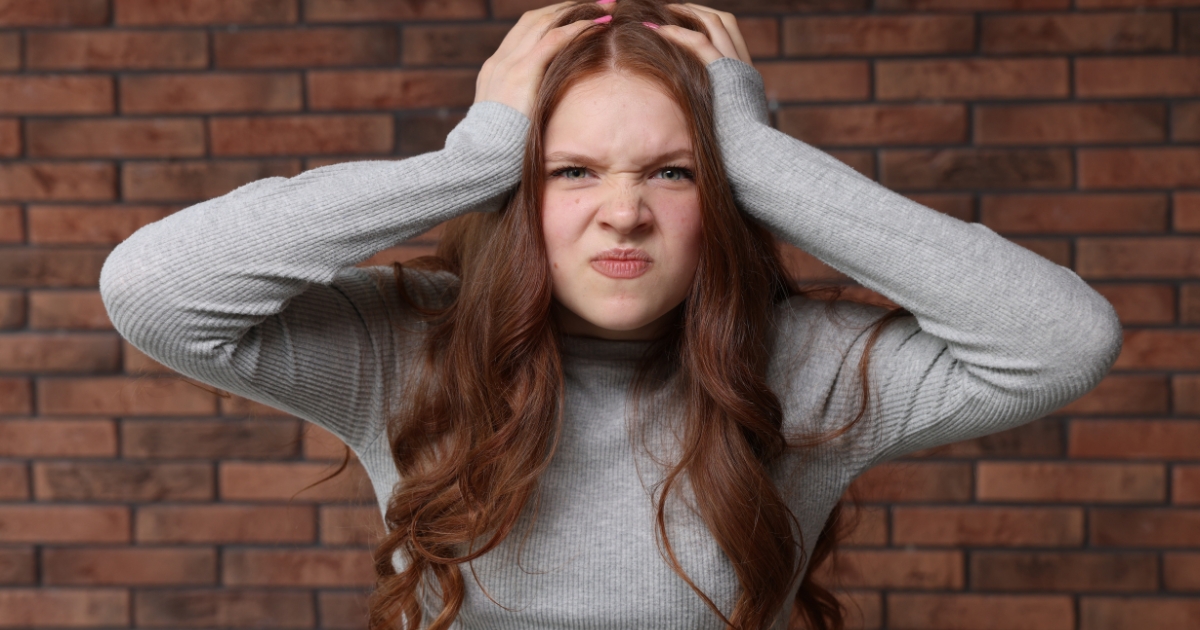



Picture a 15-year-old sitting alone at lunch, scrolling through their phone while classmates laugh at nearby tables—a scenario that might signal something more serious than typical teenage shyness: social anxiety. For many adolescents, the fear of being judged, embarrassed, or rejected in social situations goes far beyond normal shyness and becomes a debilitating condition that affects every aspect of their daily life. This condition can make simple activities like answering a question in class, posting on social media, or attending a school dance feel absolutely terrifying.
This condition affects many teenagers and ranks among the most common mental health challenges facing young people today. Unlike occasional nervousness before a big event, the disorder involves persistent, intense fear of social situations that lasts for months and significantly interferes with school performance, friendships, and overall quality of life. The teenage years are already filled with social pressures, identity formation, and increased self-awareness, which can amplify feelings of social distress in vulnerable adolescents. When left untreated, social phobia can lead to school avoidance, academic decline, depression, substance use, and limited opportunities in college and career paths. Understanding the signs of social anxiety in adolescents, recognizing what causes fear of social situations, and knowing effective treatment options for social anxiety disorder can help parents support their teens through this challenging condition.

Recognizing the Signs of Social Anxiety in Adolescents
Distinguishing between typical teenage self-consciousness and clinical social phobia can be challenging for parents, but understanding the key differences is essential for getting teens the help they need. Most teenagers experience occasional awkwardness or nervousness in social situations, especially during the transition to high school or when meeting new people. However, the condition goes beyond these normal feelings and creates a persistent, overwhelming fear that teens cannot simply outgrow without intervention. Adolescents with this disorder experience intense dread about being watched, judged, or humiliated in social situations, even when there is no real threat present. This fear is disproportionate to the actual situation and causes significant distress that interferes with their ability to function normally at school, with friends, or in family settings.
The warning signs of this condition manifest in both physical symptoms and behavioral patterns that parents should watch for carefully. Physical symptoms often include a racing heart, excessive sweating, trembling hands, nausea, dizziness, blushing, and difficulty breathing when facing feared social situations. Behavioral warning signs include consistently declining invitations to social events, eating lunch alone to avoid the cafeteria, refusing to participate in class discussions despite knowing the material, and excessive reassurance-seeking before social situations. The disorder manifests uniquely in teen contexts: anxiety about posting on social media due to fear of judgment, panic about being added to group chats, isolation during passing periods in hallways, and extreme distress before oral presentations or performances. Parents should be particularly concerned when they notice teen social anxiety and school avoidance patterns such as frequent absences or refusal to attend classes.
| Physical Symptoms | Behavioral Signs |
|---|---|
| Racing heart, sweating, trembling | Avoiding social events and gatherings |
| Nausea, stomachaches before school | Eating lunch alone or in isolation |
| Blushing, difficulty breathing | Refusing to speak in class discussions |
| Dizziness, muscle tension | School avoidance and frequent absences |
| Panic attacks in social settings | Excessive reassurance-seeking behavior |
Why Teens Develop a Fear of Social Situations
Many teens silently wonder, ‘Why do I feel anxious around people?’ — and the answer typically lies at the intersection of biology and experience. Understanding what causes fear of social situations in teenagers requires examining both biological and environmental factors that converge during the vulnerable adolescent years. From a biological perspective, the condition often has genetic roots, with teens being more likely to develop the disorder if a parent or close relative has experienced anxiety disorders. During adolescence, the brain undergoes significant development, particularly in areas responsible for emotional regulation, social cognition, and fear response. Additionally, neurotransmitter imbalances involving serotonin and dopamine can contribute to heightened anxiety responses in social situations, making some teens biologically predisposed to developing social phobia.
Environmental triggers and life experiences play an equally important role in how social fears develop and intensify during the teenage years. Negative social experiences, such as bullying, public humiliation, or peer rejection, can create lasting fears about social situations and trigger the onset of a clinical social phobia. Family dynamics also matter significantly—teens who grow up with overly critical parents, experience social isolation at home, or witness parental anxiety may be more vulnerable to developing their own social fears. Traumatic social events like being laughed at during a presentation, experiencing rejection from a peer group, or being excluded from social activities can serve as catalysts that transform normal social nervousness into a clinical condition. The intense academic pressure that many teens face, combined with the constant social comparison facilitated by social media, creates a perfect storm for these fears to flourish.
- Starting high school or transitioning to a new school where social hierarchies feel overwhelming and established friend groups seem impenetrable.
- Experiencing peer rejection or social exclusion that creates lasting fears about being judged or not fitting in with classmates.
- Facing increased public speaking requirements in advanced classes where oral presentations and group discussions are regularly graded.
- Navigating dating pressure and romantic relationships where fear of rejection and embarrassment feels particularly acute during adolescence.
- Dealing with social media comparison anxiety, where teens constantly measure their social lives against the seemingly perfect online personas of peers.
Overcoming Shyness vs Social Phobia: Understanding the Distinction
Many parents and teens struggle with overcoming shyness vs social phobia because while they can appear similar, they differ significantly in severity, duration, and impact on daily functioning. Shyness is a personality trait where individuals may feel initially uncomfortable or reserved in new social situations but can gradually warm up and engage without significant distress. Shy teens might prefer smaller social gatherings, take time to open up to new people, or feel nervous before social events, but these feelings do not prevent them from participating in school activities, maintaining friendships, or functioning normally in their daily lives. In contrast, social anxiety disorder is a diagnosable mental health condition characterized by persistent, intense fear of social situations that lasts for six months or more and causes significant functional impairment. Teens with this condition experience overwhelming dread that leads to active avoidance of social situations, physical symptoms like panic attacks, and interference with academic performance, peer relationships, and family functioning.
Recognizing when normal social discomfort crosses into disorder territory requires parents to assess several key factors: duration, intensity, avoidance patterns, and overall impact on their teen’s quality of life. If social fears have persisted for six months or longer without improvement, cause extreme distress that seems disproportionate to the situation, lead to consistent avoidance of important activities like school or social events, and significantly impact academic performance or relationships, a professional evaluation is warranted. Parents should seek help when they notice these fears are worsening over time rather than improving, when physical symptoms like panic attacks are occurring regularly, or when their teen expresses feelings of hopelessness about ever feeling comfortable in social situations. While some degree of social self-consciousness is normal during adolescence, diagnosed clinical social phobia requires professional treatment and will not simply resolve on its own as teens mature.
Coping Strategies and Treatment Options for Social Anxiety
Evidence-based treatment options for social anxiety disorder have proven highly effective, with Cognitive Behavioral Therapy (CBT) standing as the gold-standard intervention recommended by mental health professionals. CBT helps teens identify and challenge the negative thought patterns that fuel teenage social phobia, such as catastrophic thinking about social situations or overestimating the likelihood of embarrassment. Through structured therapy sessions, adolescents learn to recognize cognitive distortions like mind-reading and fortune-telling, then replace these thoughts with more realistic, balanced perspectives. Exposure therapy, a key component of CBT for this disorder, involves gradually facing feared social situations in a controlled, supportive environment, starting with less threatening scenarios and progressively working toward more challenging ones. In moderate to severe cases, medication such as selective serotonin reuptake inhibitors (SSRIs) may be recommended alongside therapy to help regulate brain chemistry and reduce symptoms to a manageable level.

Beyond professional treatment, teens can implement practical coping strategies for social phobia that provide immediate relief and build long-term resilience against anxiety. Gradual exposure exercises—like making brief eye contact, asking questions in small groups, or posting on social media—help build confidence through repeated successful experiences. Reframing negative thoughts involves teens learning to question their anxious predictions by asking themselves what evidence they have that situations will go badly. How to help a teenager with social fears begins with understanding that this is a treatable condition requiring compassionate, evidence-based intervention rather than dismissal or pressure to simply push through discomfort. Professional programs like those at Teen Mental Health Texas provide specialized support for adolescents.
| Treatment Approach | How It Helps Social Anxiety |
|---|---|
| Cognitive Behavioral Therapy (CBT) | Identifies and challenges negative thought patterns that fuel social fears |
| Exposure Therapy | Gradually face feared situations to reduce avoidance and build confidence |
| Social Skills Training | Teaches practical communication techniques and conversation strategies |
| Medication (SSRIs) | Regulates brain chemistry to reduce anxiety symptoms in moderate to severe cases |
| Group Therapy | Provides a safe practice environment with peers facing similar challenges |
Get Professional Support for Your Teen’s Social Anxiety at Teen Mental Health Texas
If your teenager is struggling with social fears, taking action now can prevent years of unnecessary suffering and help them develop the skills needed to thrive socially, academically, and emotionally. This condition is not a character flaw or something teens should just get over—it is a legitimate mental health condition that responds remarkably well to evidence-based mental health treatment. Early intervention gives teens the best chance of learning healthy coping strategies, building social confidence, and preventing the disorder from limiting their future opportunities in college, careers, and relationships. Teen Mental Health Texas offers specialized treatment programs designed specifically for adolescents dealing with this condition, combining evidence-based therapies with compassionate support that meets teens where they are.
FAQs About Social Anxiety in Teens
How can I tell if my teen has social anxiety or is just shy?
Shyness is a personality trait where teens may feel initially uncomfortable but warm up in social situations without significant distress or functional impairment. Social anxiety disorder causes persistent, intense fear that leads to active avoidance of social situations, physical symptoms like panic attacks, and interference with school performance or friendships lasting six months or more.
What causes social anxiety to develop during the teenage years?
Social anxiety often emerges in adolescence due to a combination of genetic predisposition, brain chemistry differences, and environmental factors like negative social experiences, bullying, or family dynamics. The teenage brain is still developing emotional regulation skills, and increased social awareness during puberty can trigger or worsen anxiety symptoms in vulnerable individuals.
Can social anxiety in teens go away on its own without treatment?
While some teens may naturally develop better coping skills over time, untreated social anxiety typically persists into adulthood and can worsen, leading to depression, academic struggles, limited career opportunities, and difficulty forming relationships. Evidence-based treatment significantly improves outcomes and helps teens develop practical skills to manage anxiety effectively throughout their lives.
How do I talk to my teenager about getting help for social anxiety?
Approach the conversation with empathy rather than judgment, using “I’ve noticed” statements instead of accusations that might make your teen defensive. Normalize mental health treatment by explaining that anxiety is a medical condition like any other, and emphasize that therapy provides practical tools and coping strategies rather than being a punishment or sign of weakness.
What treatment options work best for teenage social anxiety?
Cognitive Behavioral Therapy (CBT) is the gold-standard treatment for social anxiety, often combined with exposure therapy to gradually face feared situations in a controlled, supportive way. Some teens benefit from group therapy to practice social skills with peers, and in moderate to severe cases, medication such as SSRIs may be recommended alongside therapy for optimal results.