

If your teenager struggles with focus, memory, or mood swings, the underlying cause might be more complex than typical adolescent behavior. Acetylcholine, a vital neurotransmitter in the brain, plays a crucial role in how teens learn, remember information, regulate emotions, and make decisions during this critical developmental period. Understanding what this neurotransmitter does in the brain can help parents recognize when their teen’s difficulties might stem from neurochemical imbalances rather than simple behavioral issues. This knowledge empowers families to seek appropriate support and make informed decisions about their adolescent’s mental health care.
The teenage brain undergoes a remarkable transformation, with neurotransmitter systems like the cholinergic system developing and refining their connections throughout adolescence. It affects memory and learning in ways that directly impact your teen’s academic performance, social interactions, and emotional well-being. When this function becomes disrupted—whether through substance use, poor lifestyle habits, or underlying mental health conditions—the consequences can manifest as attention problems, mood disorders, or cognitive difficulties that interfere with daily functioning. This article explores how acetylcholine influences teen brain development, what happens when this neurotransmitter system becomes imbalanced, and how parents can support healthy brain chemistry in their adolescents.

What Acetylcholine Does in the Developing Teenage Brain
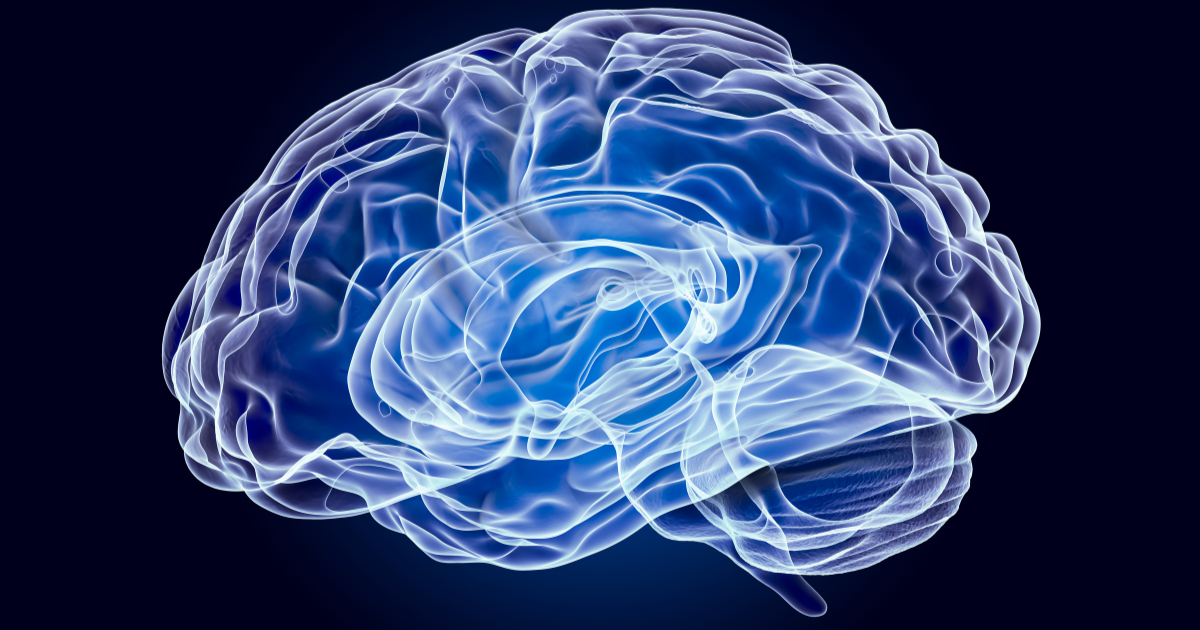
Acetylcholine serves as one of the brain’s primary chemical messengers, facilitating communication between neurons that control attention, learning, and memory formation. In the teenage brain, it enables the neural plasticity necessary for acquiring new skills, retaining information from classroom lectures, and forming long-term memories that shape identity and knowledge. How this neurotransmitter functions in teenagers differs significantly from adults because adolescent brains are still developing the neural pathways that will support executive functions throughout life. The cholinergic system—the network of neurons that produce and respond to acetylcholine—undergoes substantial refinement during adolescence, making this period both critical for healthy development and vulnerable to disruption. When this neurotransmitter functions optimally, teens can focus during homework sessions, recall information during tests, and process the complex social cues that govern peer relationships.
This neurotransmitter’s role extends beyond academics into everyday behaviors that parents observe in their teenagers. It influences decision-making processes by supporting the prefrontal cortex, the brain region responsible for weighing consequences and controlling impulses. Acetylcholine also contributes to emotional regulation by modulating activity in brain areas that process feelings and stress responses. When teens experience adequate cholinergic function, they demonstrate better impulse control, more stable moods, and improved ability to learn from mistakes. The developing cholinergic system helps adolescents transition from concrete thinking to abstract reasoning, supporting the cognitive maturation necessary for independence and adult responsibilities. Understanding why acetylcholine is important for adolescent development helps parents appreciate that some behavioral challenges may reflect neurochemical processes rather than willful defiance or laziness.
| Brain Function | Role of Acetylcholine | Impact on Teens |
|---|---|---|
| Memory Formation | Strengthens neural connections for storing information | Affects academic performance and learning retention |
| Attention & Focus | Activates brain regions that filter distractions | Influences the ability to concentrate during school and homework |
| Emotional Regulation | Modulates stress response and mood stability | Affects mood swings and emotional reactivity |
| Decision-Making | Supports prefrontal cortex executive functions | Impacts impulse control and judgment |
| Sleep-Wake Cycle | Regulates arousal and sleep transitions | Influences sleep quality and daytime alertness |
How Acetylcholine Deficiency Affects Teen Mental Health and Behavior
When this neurotransmitter becomes insufficient or the cholinergic system functions improperly, teenagers may exhibit a range of cognitive and emotional symptoms that concern parents and educators. Acetylcholine deficiency symptoms in adolescents often include difficulty concentrating, poor memory recall, decreased motivation, and challenges with learning new information despite adequate intelligence and effort. Beyond attention problems, cholinergic imbalances can contribute to mood instability, increased anxiety, and depressive symptoms because this neurotransmitter interacts with other brain chemicals that regulate emotional states. Parents might notice their teen forgetting assignments, struggling to follow multi-step instructions, or experiencing unexplained shifts in mood that seem disproportionate to circumstances.
The cholinergic system and mental health connection becomes particularly important when considering how common teenage behaviors and exposures can disrupt acetylcholine function. Substance use represents one of the most significant threats to healthy neurotransmitter balance during adolescence, with vaping, marijuana, and alcohol all interfering with cholinergic production and receptor sensitivity in developing brains. Certain medications, including some antihistamines and drugs with anticholinergic properties, can temporarily block acetylcholine receptors and impair cognitive function. Chronic stress, inadequate sleep, and poor nutrition further compromise the brain’s ability to produce and utilize this neurotransmitter effectively. These disruptions to neurotransmitters that affect mood and behavior create a cascade of effects that may manifest as academic decline, social withdrawal, irritability, or difficulty managing daily responsibilities. Recognizing these patterns helps parents distinguish between typical adolescent challenges and signs of neurochemical imbalance requiring professional attention.
- Memory problems: Difficulty remembering conversations, forgetting homework assignments, or struggling to retain information studied for tests despite adequate preparation time.
- Attention difficulties: Inability to maintain focus during lectures or conversations, frequent mental fog, or needing information repeated multiple times before comprehension occurs.
- Mood dysregulation: Unexplained irritability, emotional flatness, increased anxiety in situations that previously felt manageable, or depressive symptoms that interfere with daily activities.
- Cognitive fatigue: Mental exhaustion after relatively brief periods of concentration, difficulty with problem-solving tasks, or decreased processing speed compared to peers.
- Sleep disturbances: Trouble falling asleep despite tiredness, non-restorative sleep that leaves teens feeling unrested, or irregular sleep-wake patterns that worsen cognitive symptoms.
- Reduced motivation: Loss of interest in previously enjoyed activities, difficulty initiating tasks, or apathy toward academic and social responsibilities that seem beyond typical teenage laziness.
Supporting Healthy Acetylcholine Function in Adolescents Through Lifestyle Changes
Parents can take proactive steps to support their teen’s cholinergic production and overall neurotransmitter balance through evidence-based lifestyle modifications. Nutrition plays a foundational role, as the body synthesizes this neurotransmitter from choline, a nutrient found in eggs, fish, chicken, nuts, and cruciferous vegetables like broccoli and Brussels sprouts. Encouraging teens to eat regular meals that include these choline-rich foods provides the raw materials necessary for optimal neurotransmitter function. Sleep represents another critical factor, as the brain performs essential maintenance and neurotransmitter regulation during deep sleep stages. Teenagers need 8-10 hours of quality sleep nightly, yet many adolescents operate on chronic sleep deprivation that directly impairs cholinergic function and cognitive performance. Establishing consistent sleep schedules, limiting screen exposure before bedtime, and creating sleep-conducive environments help protect the developing cholinergic system.

Physical exercise and stress management techniques also support healthy neurotransmitter levels by promoting overall brain health and reducing factors that deplete neurotransmitter reserves. Regular aerobic activity increases blood flow to the brain, supports neuroplasticity, and helps regulate the stress hormones that can interfere with cholinergic production. Mindfulness practices, adequate downtime between activities, and healthy coping strategies for academic pressure all contribute to neurotransmitter balance. However, parents should recognize when lifestyle interventions alone prove insufficient for addressing their teen’s struggles. If memory problems, attention difficulties, or mood symptoms persist despite improved sleep, nutrition, and stress management, professional evaluation becomes necessary. Persistent cholinergic symptoms may indicate underlying mental health conditions, undiagnosed learning disorders, or substance use issues that require specialized treatment beyond home-based interventions.
| Lifestyle Factor | Impact on Acetylcholine | Practical Recommendations |
|---|---|---|
| Nutrition | Provides choline for acetylcholine synthesis | Include eggs, fish, nuts, and vegetables in daily meals |
| Sleep Quality | Allows neurotransmitter system restoration | Maintain 8-10 hours nightly with a consistent schedule |
| Physical Exercise | Enhances brain blood flow and neuroplasticity | Encourage 30-60 minutes of activity most days |
| Screen Time | Excessive use disrupts sleep and attention systems | Limit recreational screens and avoid them before bedtime |
| Substance Avoidance | Prevents direct disruption to cholinergic pathways | Address vaping, marijuana, and alcohol use immediately |
How Teen Mental Health Texas Addresses Neurotransmitter Imbalances in Teens
When lifestyle modifications prove insufficient and acetylcholine-related symptoms continue to impair your teen’s functioning, specialized mental health treatment becomes essential for recovery. Teen Mental Health Texas provides comprehensive assessment and evidence-based treatment for adolescents struggling with attention problems, mood disorders, and behavioral issues rooted in neurochemical imbalances. The clinical team understands that symptoms like poor memory, difficulty concentrating, and emotional dysregulation often reflect underlying disruptions in neurotransmitter systems, including the cholinergic system. Through a thorough diagnostic evaluation, clinicians identify whether your teen’s difficulties stem from primary mental health conditions, substance use impacts on brain chemistry, medication side effects, or combinations of factors affecting neurotransmitter function. This comprehensive approach ensures treatment addresses root causes rather than simply managing surface-level symptoms.
Teen Mental Health Texas’s treatment model integrates multiple therapeutic modalities that support healthy brain function while addressing the psychological and behavioral aspects of teen mental health challenges. Evidence-based therapies help adolescents develop coping skills, process underlying trauma or stress, and build healthier patterns that support neurotransmitter balance. Family involvement remains central to treatment success, as parents learn how to create home environments that promote healthy brain development and recognize warning signs of relapse or deterioration. The program addresses how substance use, sleep problems, and stress affect brain chemistry and other neurotransmitters that affect mood and behavior, providing teens with practical tools for protecting their brain health. If your teenager struggles with memory problems, attention difficulties, mood instability, or other symptoms that might reflect cholinergic dysfunction, Teen Mental Health Texas offers the specialized support necessary for lasting recovery. Contact the admissions team today to learn how comprehensive mental health treatment can help your adolescent achieve better cognitive function, emotional stability, and overall well-being.
FAQs About Acetylcholine and Teen Brain Development
What does acetylcholine do in the brain?
Acetylcholine functions as a neurotransmitter that enables communication between neurons responsible for memory formation, attention, learning, and muscle control. In the teenage brain specifically, it supports the neural plasticity necessary for acquiring new skills and information during this critical developmental period.
Can acetylcholine deficiency cause ADHD symptoms in teenagers?
Research suggests that cholinergic system dysfunction may contribute to attention deficit symptoms in some adolescents, as this neurotransmitter plays a crucial role in sustaining focus and filtering distractions. While ADHD involves multiple neurotransmitter systems, cholinergic imbalances can produce overlapping symptoms, including poor concentration, forgetfulness, and difficulty completing tasks.
What are the warning signs of neurotransmitter imbalance in my teen?
Observable symptoms include persistent difficulty with memory and concentration, unexplained mood changes or irritability, declining academic performance despite effort, social withdrawal, sleep disturbances, and reduced motivation for previously enjoyed activities. When these symptoms persist for several weeks and interfere with daily functioning, professional evaluation becomes necessary to identify underlying causes.
How do vaping and substance use affect acetylcholine in the teenage brain?
Nicotine from vaping directly interferes with cholinergic receptors, while substances like marijuana and alcohol disrupt the production and function of multiple neurotransmitters, including the cholinergic system. These disruptions during adolescence can impair memory formation, attention capacity, and emotional regulation in ways that persist even after substance use stops.
When should I seek professional help for my teen’s memory or mood problems?
Professional assessment becomes appropriate when cognitive or emotional symptoms persist for more than two weeks, interfere with school performance or relationships, or occur alongside concerning behaviors like substance use or self-harm. Early intervention prevents more serious complications and provides teens with the support necessary for healthy brain development and mental wellness.