
5/5 ratings | We’re Here 24/7

 Skip to content
 Bipolar disorder does not look the same in teenagers as it does in adults – and that difference is one of the reasons it is so frequently misdiagnosed in adolescents. A teen in a manic phase may be mistaken for simply being energetic, rebellious, or attention-seeking. A teen in a depressive phase may be written off as moody or withdrawn. But bipolar disorder is neither a phase nor a choice. It is a serious neurobiological condition that produces dramatic shifts in mood, energy, cognition, and behavior – and without targeted treatment, those shifts tend to intensify over time.
At Teen Mental Health Texas, we provide specialized bipolar disorder treatment designed around the way this condition manifests in the adolescent brain. Our clinicians recognize that teen bipolar disorder involves faster cycling between mood states, more mixed episodes, and higher rates of co-occurring conditions than adult presentations typically involve. Our treatment is built to address that complexity head on.
We do not treat bipolar disorder with a single tool. Our clinical team builds comprehensive treatment plans that combine therapeutic modalities, structured programming, family education, and wellness strategies into a coordinated approach aimed at mood stabilization and sustainable daily functioning.
Bipolar disorder in teens frequently co-occurs with conditions such as teen depression, self-harm and suicidal thoughts, and anger management challenges. Our intake assessment evaluates the full clinical picture to ensure that every contributing factor is identified and treated as part of a unified plan.
Contact Teen Mental Health Texas today at (866) 508-6072 or visit our Contact Us page to schedule a confidential, no-cost assessment and learn how our team can help your teen find stability.
Bipolar disorder in adolescents can be difficult to identify because the symptoms overlap with other conditions and because mood variability is common during the teenage years. However, the mood shifts associated with bipolar disorder are markedly more intense, prolonged, and disruptive than typical adolescent ups and downs.
During a manic or hypomanic episode, a teen may display abnormally elevated or expansive mood, a dramatically reduced need for sleep, rapid and pressured speech, grandiose beliefs about their abilities, and a surge of goal-directed activity that may seem productive but is often scattered and impulsive. In some teens, mania presents primarily as severe irritability rather than euphoria.
The depressive phase of bipolar disorder closely resembles major depression. Teens may experience prolonged sadness, loss of interest in activities, withdrawal from friends and family, fatigue, difficulty concentrating, and feelings of worthlessness or hopelessness. The key difference is that these episodes alternate with periods of elevated mood or energy rather than occurring in isolation. Learn more about how we approach the depressive component on our Teen Depression Treatment page.
Adolescents with bipolar disorder may cycle between mood states more rapidly than adults. Some teens experience shifts within days or even hours, making their emotional world feel chaotic and unpredictable. These rapid transitions can be confusing and exhausting for both the teen and their family.
During manic or hypomanic episodes, teens may engage in unusually risky behavior – including reckless driving, substance experimentation, sexual impulsivity, excessive spending, or confrontational interactions they would normally avoid. These actions are driven by the mood state, not by a lack of values or judgment under normal circumstances.
Sleep disturbance is one of the most reliable indicators of bipolar mood shifts in adolescents. During mania, a teen may sleep only a few hours and still feel energized. During depressive episodes, they may sleep excessively and still feel exhausted. Disrupted sleep both signals and fuels mood instability. For teens whose sleep problems have become a primary concern, our Teen Insomnia Treatment page provides additional information.
The oscillation between mood states often produces inconsistent academic performance and strained relationships. A teen may perform exceptionally well during a hypomanic phase and then miss days of school during a depressive crash. Friendships may suffer as peers struggle to understand the dramatic behavioral shifts. Visit our Academic & School Support page for information on how our programs help teens maintain academic continuity during treatment.
If you are noticing these patterns in your teenager, a professional evaluation can provide the clarity your family needs. Our admissions team is available 24/7 for a confidential conversation about your concerns.
Bipolar disorder treatment at Teen Mental Health Texas goes beyond managing individual episodes. Our goal is to help teens understand their condition, recognize early warning signs of mood shifts, and build a sustainable set of strategies for maintaining stability across all areas of life.
Dialectical Behavior Therapy (DBT) is one of the most effective modalities for adolescents with bipolar disorder because it directly targets the emotional dysregulation at the heart of the condition. Through the four core skill modules – mindfulness, distress tolerance, emotion regulation, and interpersonal effectiveness – teens learn to recognize the early stages of a mood shift, apply stabilizing techniques before escalation, and maintain functioning even during periods of emotional intensity. DBT gives teens with bipolar disorder a practical framework for living with a condition that will require long-term management.
Individual therapy for bipolar disorder serves multiple functions. It provides psychoeducation – helping teens genuinely understand what bipolar disorder is, how it works in their brain, and why certain patterns keep recurring. It also teaches mood monitoring skills, helping adolescents track their emotional state over time and identify the personal triggers, sleep changes, or behavioral patterns that precede a mood episode. This self-awareness becomes one of the most powerful tools a teen with bipolar disorder can develop.
Bipolar disorder places enormous strain on family systems. Parents may feel helpless during depressive episodes and frightened during manic ones. Siblings may feel confused or neglected. Our family therapy sessions help the entire household understand bipolar disorder as a condition – not a character flaw – and develop practical strategies for supporting the teen without enabling avoidance or escalating conflict. Learn more on our Family Involvement in IOP page.
Process Group Therapy gives teens with bipolar disorder a space to practice interpersonal skills in real time with peers who understand what mood instability feels like. Adolescents work on recognizing how their mood states affect relationships, practice communicating needs during both elevated and depressed phases, and build social awareness that helps them maintain connections during difficult periods.
Our Holistic Approach plays a particularly important role in bipolar disorder treatment because lifestyle factors directly influence mood stability. Sleep hygiene, consistent daily routines, physical activity, and stress management are not just wellness recommendations for teens with bipolar disorder – they are clinical necessities. Our programming integrates these elements alongside therapy to help teens build the daily structure that supports mood regulation from the ground up.
These modalities can be combined within a single treatment plan, and our clinical team continuously evaluates progress to ensure your teen is receiving the most effective care at every stage of recovery.
Explore our full range of approaches on our Therapy page to see how each modality supports adolescent healing.
Bipolar disorder varies in severity, and the right level of care depends on where your teen is in their mood cycle, how much the condition is disrupting daily life, and whether safety concerns are present. Teen Mental Health Texas provides structured programs at multiple levels to match.

Our IOP provides structured sessions several days per week during after-school hours. For teens with bipolar disorder who are currently stable enough to live at home and attend school, IOP offers consistent therapeutic contact, skill reinforcement, and mood monitoring in a format that fits around academic and family life.

Virtual IOP delivers the same evidence-based bipolar programming through a secure telehealth platform, accessible to families across Texas – including the Dallas, Houston, San Antonio, and Austin areas. For teens with bipolar disorder, the consistency of attending sessions from home regardless of mood state or energy level can be a meaningful advantage in maintaining treatment engagement.

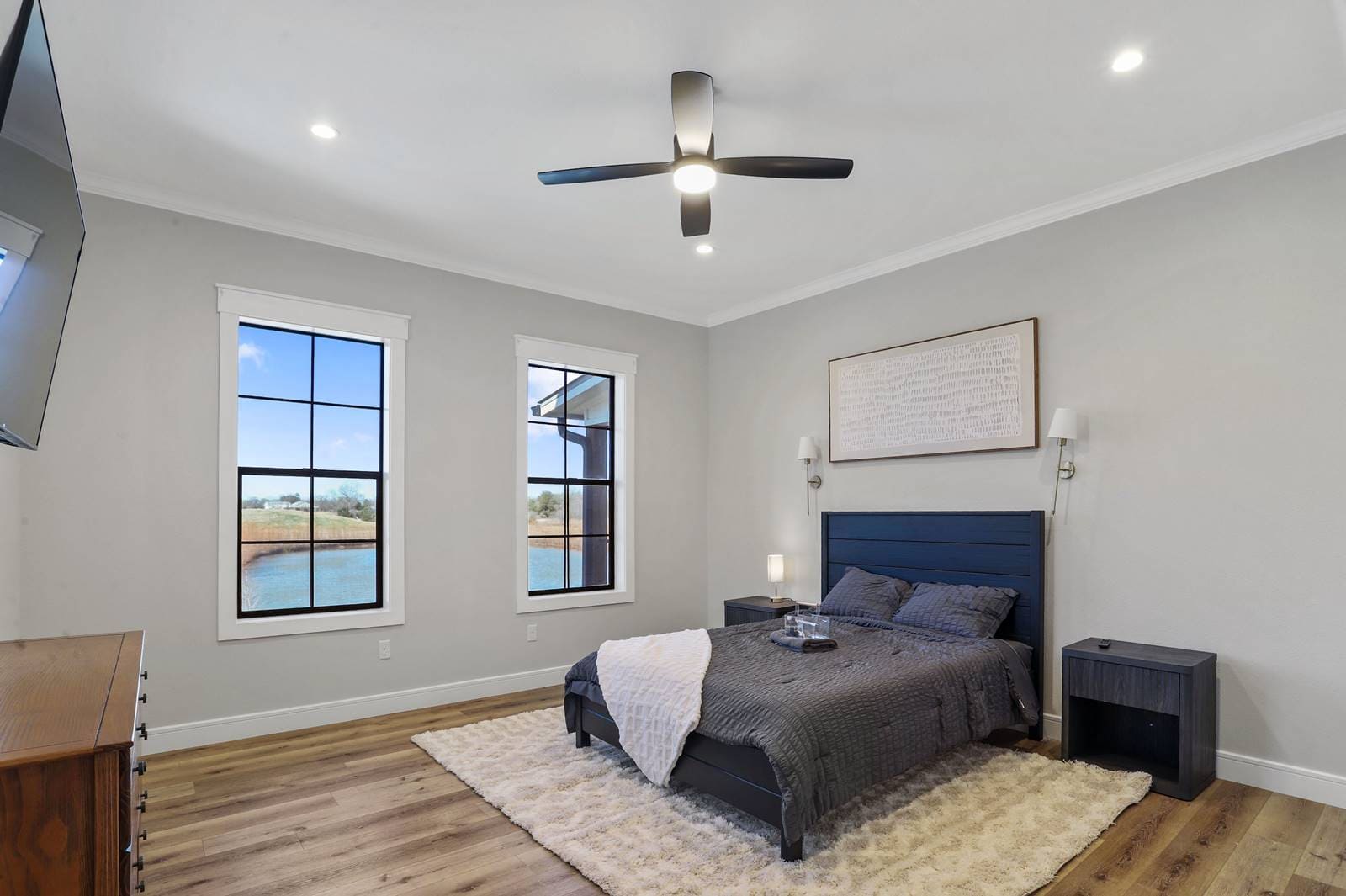
For teens experiencing severe manic or depressive episodes, mixed states, or bipolar-related safety concerns – including impulsive behavior or suicidal ideation – our residential program provides 24/7 care in a structured, pet-friendly environment. Residential treatment allows for daily therapeutic intervention, close mood monitoring, and the stability of a consistent routine during the most acute phases of the condition.
Learn more about each option on our Levels of Care page to find the best fit for your family.
Bipolar disorder requires clinicians who understand mood cycling, can differentiate it from other conditions, and know how to adapt treatment as mood states shift. Here is what distinguishes our program.
Our therapists understand the adolescent-specific presentations of bipolar disorder, including rapid cycling, mixed episodes, and the diagnostic overlap with ADHD, depression, and disruptive behavior disorders.
Your teen’s treatment plan is not static. Our team adjusts therapeutic focus, intensity, and skill emphasis based on where your teen is in their mood cycle at any given point.
We embed sleep hygiene, routine building, and physical wellness into treatment because these factors directly affect mood stability in teens with bipolar disorder.
Parents learn to recognize early warning signs of mood episodes, respond effectively during both manic and depressive phases, and create a home environment that supports stability.
If your teen’s mood state changes during treatment, we can adjust the level of care – stepping up or down between IOP, Virtual IOP, and residential – without disruption to the therapeutic relationship.
To learn more about our clinical team and treatment philosophy, visit our About Us page.
Bipolar disorder treatment unfolds differently than treatment for conditions with a more linear recovery trajectory. Here is how our team approaches it.
Initial Assessment
Our clinicians conduct a comprehensive evaluation of your teen’s mood history, symptom patterns, family background, and any co-occurring conditions such as mood disorder or self-harm and suicidal thoughts. Because bipolar disorder is frequently misdiagnosed in adolescents – often initially labeled as depression, ADHD, or oppositional behavior – our assessment process is thorough and designed to arrive at an accurate clinical picture. Visit our What to Expect in Treatment page for a broader overview.
Active Treatment
Once enrolled, your teen participates in a structured schedule of therapeutic activities adapted to their current mood state. During depressive phases, treatment may emphasize behavioral activation, routine building, and addressing hopelessness. During stable periods, the focus shifts to skill consolidation, relapse prevention, and building the self-awareness needed to recognize early signs of the next shift. Our clinicians adjust the plan in real time based on ongoing mood monitoring.
Family Education and Support
Bipolar disorder is a condition the entire family lives with. Our programming includes dedicated family sessions focused on understanding the disorder, recognizing mood episode warning signs, developing household routines that support stability, and learning how to respond during crises without escalating or accommodating. We connect families with our Parent Resources page for ongoing tools and guidance.
Bipolar disorder does not stabilize on its own, and each untreated mood episode increases the risk of the next one. The earlier your teen receives specialized treatment, the more effectively they can learn to manage their condition and build a life that is not defined by their mood cycles.
Teen Mental Health Texas provides the adolescent-focused, mood-specialized treatment that gives teens with bipolar disorder a genuine path to stability. With same-day admissions available and most major insurance plans accepted, your family does not have to navigate this alone.
Call (866) 508-6072 to speak with our admissions team, or visit our Contact Us page for a complimentary, private evaluation. We are ready to help your teen find solid ground.
All teenagers experience mood variability, but bipolar mood episodes are markedly more intense, last longer, and produce functional impairment. A teen with bipolar disorder may go days with barely any sleep during a manic phase and then be unable to get out of bed for a week during a depressive one. If mood shifts are consistently disrupting school, relationships, and daily life, a professional evaluation can determine whether bipolar disorder is the cause. Visit our Signs Your Teen Needs Help page for additional guidance.
Therapy is a critical component of bipolar treatment and can produce significant improvements in coping skills, mood awareness, and daily functioning. However, many adolescents with bipolar disorder benefit from medication management alongside therapy. Our clinical team evaluates each teen’s specific needs and discusses all options with families during the assessment process.
DBT is particularly effective because it directly addresses emotion regulation and distress tolerance. Individual therapy provides psychoeducation and mood monitoring, family therapy strengthens the home support system, and holistic wellness practices build the lifestyle foundation that supports mood stability. Our clinical team tailors the combination to each teen.
Bipolar disorder is a chronic condition that benefits from ongoing management. Our structured programs give teens the foundational skills and self-awareness they need, and our team helps families plan for continued support after the intensive phase ends – whether through community providers, lower-level outpatient care, or periodic check-ins.
Yes. Our IOP and Virtual IOP are scheduled during after-school hours so teens can maintain academic responsibilities. For teens in residential care, our program includes academic coordination to minimize disruption. Visit our Academic & School Support page for more details.
Yes. We accept most major insurance plans, including Blue Cross Blue Shield, Aetna, Cigna, United Healthcare, and others. Our admissions team handles verification so you can focus on your teen’s care. Visit our Insurance We Accept page for more information.



 Optimized by Seraphinite Accelerator