...
5/5 ratings | We’re Here 24/7

Mood Disorder Treatment for Teens in Texas

Targeted Treatment for the Full Spectrum of Adolescent Mood Disorders

Mood disorders encompass a range of conditions that disrupt a teenager’s ability to maintain emotional stability and engage in daily life. They include major depressive disorder, persistent depressive disorder, bipolar disorder, disruptive mood dysregulation disorder, and other presentations where mood instability is the defining clinical feature. While these conditions share the common thread of mood disturbance, each one operates through different mechanisms and requires a distinct treatment approach.

At Teen Mental Health Texas, our mood disorder treatment for teenagers in Texas is designed for adolescents whose emotional lives have become consistently unpredictable, overwhelming, or flat. Our clinicians specialize in the diagnostic complexity of adolescent mood disorders – recognizing that the teenage brain’s natural emotional intensity can make it challenging to distinguish normal development from clinical pathology. Accurate diagnosis is the first step, and our assessment process is built to get it right.

Whether your teen is experiencing prolonged depressive episodes, cycling between emotional extremes, chronic irritability that goes beyond typical teenage moodiness, or an emotional flatness that nothing seems to lift, our team builds personalized treatment plans that match the specific mood pattern your teen is presenting with.

Mood disorders in adolescents frequently co-occur with conditions such as teen anxiety, self-harm and suicidal thoughts, and teen insomnia. Our comprehensive evaluation identifies every contributing factor to ensure your teen receives care that addresses the full clinical picture. For teens whose mood disorder presentation aligns more specifically with depression or bipolar disorder, our Teen Depression Treatment and Teen Bipolar Disorder Treatment pages provide detailed information on those focused programs.

Contact Teen Mental Health Texas today at (866) 508-6072 or visit our Contact Us page to schedule a confidential, no-cost assessment and learn how we can help your teen achieve emotional stability.

Read More See Less

View Quick Links

Signs and Symptoms

Recognizing Mood Disorders in Teens

Mood disorders in adolescents do not always follow predictable patterns. Some teens present with clearly identifiable depressive or manic episodes, while others display a persistent emotional disturbance that is difficult to categorize without clinical evaluation.

Prolonged or Recurring Sadness

A teen with a mood disorder may experience extended periods of sadness, emptiness, or hopelessness that persist for weeks and do not respond to changes in circumstances. Unlike situational sadness that resolves once the triggering event passes, mood disorder-related depression feels self-sustaining and may recur in cycles.

Chronic Irritability and Emotional Reactivity

In many adolescents, mood disorders manifest primarily as irritability rather than sadness. A teen whose baseline emotional state is persistently agitated, easily provoked, and quick to escalate may be experiencing a mood disorder that traditional screening for depression alone would miss.

Mood Swings Beyond Normal Range

While all teenagers experience emotional variability, mood disorders produce shifts that are markedly more intense, prolonged, or functionally disruptive than what peers experience. A teen may cycle between profound sadness and unusual elation, between lethargy and restless overactivity, or between withdrawal and impulsive social engagement in patterns that feel out of their control.

Loss of Interest or Motivation

A hallmark of mood disorders is anhedonia – the inability to experience pleasure or interest in activities that previously provided enjoyment. A teen who stops caring about hobbies, friends, goals, or experiences they once valued may be experiencing a mood disturbance that has dampened their capacity for enjoyment.

Disrupted Sleep and Energy Patterns

Mood disorders commonly produce changes in sleep and energy that do not match the teen’s activity level. A teen may sleep twelve hours and still feel exhausted, or sleep only a few hours and feel wired. These fluctuations are often among the first changes parents notice and provide important diagnostic information.

Difficulty With Daily Functioning

When mood instability begins affecting a teen’s ability to get through a school day, maintain friendships, participate in family life, or manage basic self-care, the level of impairment signals a clinical condition rather than a difficult phase. Visit our Signs Your Teen Needs Help page for more guidance on distinguishing clinical concerns from normal development.

If your teen’s mood has been consistently dysregulated or functionally impairing, professional evaluation can clarify what is happening. Our admissions team is ready to discuss your concerns.

How We Treat

How We Treat Mood Disorders in Teens

Adolescent mood disorder therapy at our facility targets the specific mechanisms maintaining mood instability for each individual teen. Because mood disorders vary widely in their presentation, our clinical team avoids a one-size-fits-all approach and instead builds treatment plans around the particular mood pattern, severity, and co-occurring conditions your teen is experiencing.

Dialectical Behavior Therapy (DBT)

Dialectical Behavior Therapy (DBT) is highly effective for teens whose mood disorder involves intense emotional reactivity, difficulty returning to baseline, or episodes of emotional dysregulation that disrupt relationships and daily functioning. DBT’s four skill modules – mindfulness, distress tolerance, emotion regulation, and interpersonal effectiveness – provide a concrete framework for managing mood instability in real time rather than being controlled by it.

Individual Therapy

Individual therapy is where the diagnostic specificity matters most. Our clinicians use individual sessions to help teens understand which type of mood disorder they are dealing with, what their personal mood patterns look like over time, and which triggers, thoughts, and behaviors tend to precede their worst episodes. This self-awareness becomes a foundational tool for long-term mood management.

Family Therapy

Mood disorders affect the entire household. Family members often feel confused, frustrated, or helpless in the face of a teen’s unpredictable emotional states. Our family therapy sessions help parents and siblings understand the clinical nature of the disorder, develop effective responses to mood episodes, and create a home environment that supports stability without walking on eggshells.

Trauma-Informed Care

A significant percentage of adolescents with mood disorders have experienced adverse events that contribute to their emotional instability. Our Trauma-Informed Care framework ensures that treatment interactions account for the impact of these experiences, preventing re-traumatization and creating the psychological safety needed for teens to engage fully in the therapeutic process.

Process Group Therapy

Process Group Therapy allows teens with mood disorders to practice interpersonal skills and receive feedback from peers who understand what emotional instability feels like. Group members learn to communicate their emotional state, navigate relationships during both stable and unstable periods, and build the social awareness that mood disruption often impairs.

These modalities can be combined within a single treatment plan, and our clinical team adjusts the approach as your teen’s mood presentation evolves.

Explore our full range of approaches on our Therapy page to see how each modality supports adolescent healing.

Levels of Care

Levels of Care for Teens With Mood Disorders

The appropriate level of care depends on the type and severity of the mood disorder, the level of functional impairment, and whether safety concerns are present.

Intensive Outpatient Program (IOP)

Our IOP provides structured therapeutic sessions several days per week during after-school hours. For teens whose mood disorder is producing consistent impairment but who can safely remain at home, IOP offers regular clinical contact and skill reinforcement. Our mood disorder IOP for teens in Texas delivers focused treatment within a structure that preserves academic and family routines.

Virtual IOP for Teens

Virtual IOP delivers the same evidence-based programming through a secure telehealth platform, available to families across Texas – including the Dallas, Houston, San Antonio, and Austin areas. For teens whose mood episodes make consistent in-person attendance challenging, virtual delivery provides continuity of care regardless of where the teen is in their mood cycle.

Residential Mental Health Treatment for Teens

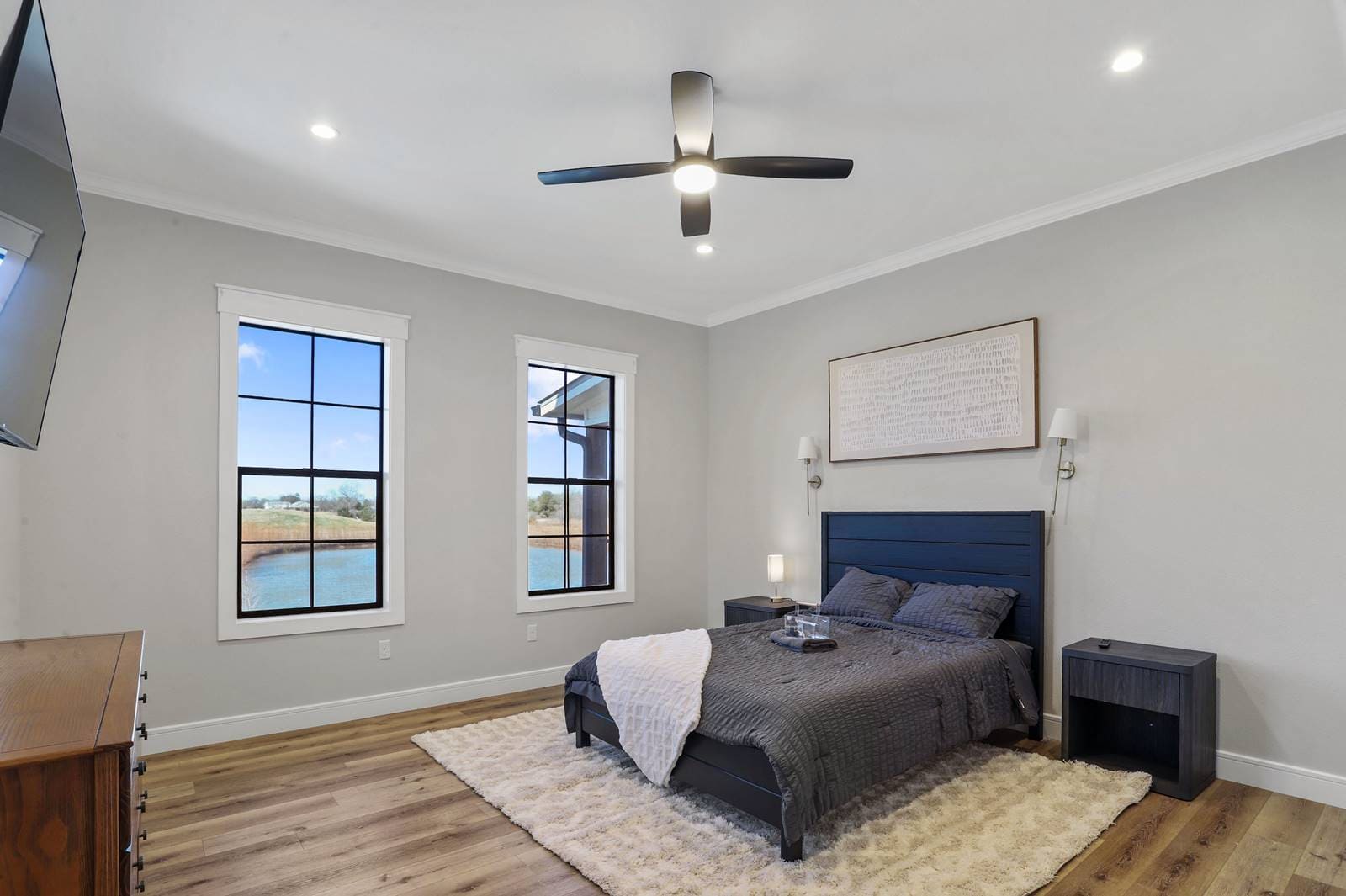
For teens with severe mood disorders – including those experiencing suicidal ideation, psychotic features, or functional collapse – our residential program provides 24/7 care in a structured, pet-friendly environment. The stability and clinical presence of residential care allow for intensive daily intervention and close mood monitoring during the most acute phases.

Learn more about each option on our Levels of Care page to find the best fit for your family.

WHY CHOOSE US

Why Choose Teen Mental Health Texas for Mood Disorder Treatment?

Mood disorders demand accurate diagnosis and flexible treatment that adapts to the teen’s shifting presentation. Here is what sets our program apart.

Diagnostic Precision

Our assessment process differentiates between depression, bipolar disorder, disruptive mood dysregulation disorder, and other presentations that require distinct clinical approaches.

Mood-Responsive Planning

Your teen’s treatment plan is not static. As mood patterns shift, our team adjusts therapeutic focus, intensity, and modality emphasis accordingly.

Co-Occurring Condition Expertise

We treat the anxiety, trauma, insomnia, and other conditions that commonly accompany mood disorders rather than addressing mood in isolation.

Family-Level Education

Parents learn to read their teen’s mood patterns, respond effectively during episodes, and maintain a household environment that supports stability.

Full Continuum of Care

IOP, Virtual IOP, and residential treatment under one clinical team means your teen can move between levels of care as mood severity changes without losing continuity.
To learn more about our clinical team and treatment philosophy, visit our About Us page.
What to Expect

What to Expect During Teen Mood Disorder Treatment

Mood disorder treatment requires ongoing clinical attention and flexibility. Here is how care unfolds at our facility.

Initial Assessment

Our clinicians conduct a comprehensive evaluation of your teen’s mood history, episode patterns, symptom severity, and any co-occurring conditions. Because accurate diagnosis is critical for mood disorders – and because depression, bipolar disorder, and disruptive mood dysregulation disorder each require different treatment approaches – our assessment is thorough and designed to distinguish between presentations that can appear similar on the surface. Visit our Admissions Process page for a step-by-step overview of enrollment.

Active Treatment

Once enrolled, your teen participates in a structured schedule of therapeutic activities tailored to their mood disorder presentation. Treatment may emphasize different modalities depending on where your teen is in their mood cycle – behavioral activation and hope-building during depressive phases, emotion regulation and impulse management during elevated phases, and skill consolidation during stable periods. Our clinical team monitors mood indicators throughout and adjusts the plan in real time.

Family Education and Support

Mood disorders are among the most family-impacting conditions we treat. Our programming includes dedicated sessions that help parents understand the neurobiology of their teen’s condition, develop a family-level mood management plan, and learn when to provide support versus when to encourage independence. We connect families with our Parent Resources page and our Signs Your Teen Needs Help page for ongoing guidance.
How to Start

How to Start Mood Disorder Treatment for Teens in Texas

Mood disorders do not stabilize on their own, and each untreated episode can increase the vulnerability to the next one. The earlier your teen receives an accurate diagnosis and targeted treatment, the more effectively they can learn to manage their emotional life and build stability that lasts.

Teen Mental Health Texas provides specialized adolescent mood disorder therapy that matches treatment to the specific patterns your teen is experiencing. With same-day admissions available and most major insurance plans accepted, your family can begin without unnecessary delays.

Call (866) 508-6072 to speak with our admissions team, or visit our Contact Us page for a complimentary, confidential consultation. We are available 24/7 and ready to help your teen find balance.

Read More See Less
FAQ’s

Mood Disorder Treatment FAQs

What is the difference between a mood disorder and normal teenage moodiness?

All teenagers experience emotional ups and downs. Mood disorders are distinguished by the intensity, duration, and functional impact of the mood disturbance. When a teen’s emotional state consistently interferes with school, relationships, sleep, and daily activities for weeks at a time, professional evaluation is appropriate.

How do you determine which mood disorder my teen has?

Our assessment evaluates mood history, episode patterns, symptom duration, and family history alongside a thorough clinical interview. We differentiate between major depression, bipolar disorder, disruptive mood dysregulation disorder, and other presentations to ensure the treatment plan targets the correct condition.

Can mood disorders be treated with therapy alone?

Many adolescents with mood disorders experience significant improvement through therapy-based treatment. Our programs use evidence-based modalities like DBT, individual therapy, and family therapy to build mood management skills. Some teens benefit from medication management alongside therapy, and our clinical team discusses all options with families.

My teen has been diagnosed with depression, but I think it might be something else. Can you reevaluate?

Yes. Mood disorders in adolescents are frequently misdiagnosed. Bipolar disorder, in particular, is often initially labeled as depression because depressive episodes are typically what bring families to seek help. Our assessment process is designed to catch these diagnostic nuances and ensure your teen’s treatment is aimed at the right target.

Do you accept insurance for mood disorder treatment?

Yes. We accept most major insurance plans, including Blue Cross Blue Shield, Aetna, Cigna, United Healthcare, and others. Our admissions team handles verification so you can focus on your teen’s care. Visit our Insurance We Accept page for more information.

How long does mood disorder treatment take?

Treatment duration depends on the type and severity of the mood disorder. Our structured programs run 90 days or more, with ongoing evaluation to determine when your teen is ready to transition. Mood disorders often require longer treatment engagement than single-episode conditions, and our team plans for sustained progress accordingly.

Visit our FAQ page for more information, or call (866) 508-6072 to speak with our team directly.

Verify Insurance

Confidential Help Available

Our Admissions Team is here for you 24/7

Our Facility

What We Treat

Levels of care

Therapies We Offer

Seraphinite AcceleratorOptimized by Seraphinite Accelerator
Turns on site high speed to be attractive for people and search engines.