 Skip to content



Online Therapy Success: How to Choose the Right Mental Health Professional for Your Needs
Starting therapy is a courageous step—but with hundreds of providers just a few clicks away, choosing the right one can feel overwhelming. The therapist you pick matters more than almost any other factor in whether treatment works, so it’s worth getting the decision right.
Online therapy has made quality care more accessible than ever, especially for busy families and teens who feel more comfortable connecting from home. This guide walks you through how to evaluate credentials, match a provider to your specific needs, protect your privacy, and build the kind of trust that makes real progress possible.
Why Selecting the Right Online Therapist Matters for Your Mental Health Journey
Research consistently shows that the relationship between you and your therapist—often called the therapeutic alliance—is one of the strongest predictors of success. A skilled provider who’s the wrong fit for your personality or concerns won’t help as much as someone you genuinely click with. That’s why choosing thoughtfully is worth the effort.
The right match brings the right expertise, communicates in a way that resonates with you, and creates a space where you feel safe being honest. For teens especially, feeling understood rather than judged can make the difference between dreading sessions and actually opening up.
How Virtual Therapy Sessions Differ From Traditional In-Person Counseling
Virtual therapy sessions deliver the same evidence-based care as in-person counseling—just through a screen. You meet with a licensed professional over secure video, working through the same goals and techniques you would in an office. For many people, the format is a plus: no commute, more scheduling flexibility, and the comfort of a familiar environment.
There are differences to keep in mind. Online therapy requires a private space and a reliable internet connection, and some nonverbal cues can be subtler over video. For most concerns, though, studies find virtual care just as effective as face-to-face sessions—making it a practical choice rather than a compromise.
The Growing Role of Teletherapy in Modern Mental Health Support
Teletherapy has moved from a niche option to a mainstream form of mental health support. Demand surged in recent years, and providers responded by building secure, user-friendly platforms designed specifically for remote care.
This shift has been especially meaningful for teens and families in areas with few local providers, long waitlists, or transportation barriers. Teletherapy expands access to specialists who might otherwise be out of reach, so you’re no longer limited to whoever happens to practice nearby.
Evaluating Licensed Therapists and Their Credentials
Before committing to any provider, confirm they’re properly licensed. Licensed therapists have completed graduate training, supervised clinical hours, and state examinations—and they’re accountable to a licensing board. Common credentials include LPC (Licensed Professional Counselor), LCSW (Licensed Clinical Social Worker), LMFT (Licensed Marriage and Family Therapist), and licensed psychologists (PhD or PsyD).
A few things to verify:
- The provider is licensed in the state where you (or your teen) live, which is a legal requirement for care.
- Their license is active and in good standing—most states offer free online license lookups.
- They have training or experience relevant to your specific concern.
For teens, it’s worth confirming the therapist has genuine experience working with adolescents, since that stage of life calls for specialized skills. Don’t hesitate to ask about a provider’s background; reputable professionals welcome the question.
Assessing Specializations in Anxiety Treatment and Depression Counseling
Therapists aren’t one-size-fits-all. Just as you’d see a specialist for a specific medical issue, matching a provider’s expertise to your needs improves results. Someone seeking anxiety treatment benefits from a therapist trained in approaches like cognitive behavioral therapy and exposure techniques, while depression counseling may draw on different evidence-based methods.
Matching Your Specific Mental Health Needs With Therapist Expertise
Start by naming what you’re hoping to address—anxiety, depression, trauma, school stress, family conflict, or something else. Then look for providers who list that area among their specialties rather than as a passing mention. During a first conversation, ask how they typically treat your concern and what results similar clients have seen.
For families, involving a teen in the selection process—when appropriate—helps them feel ownership over their care, which improves engagement. A provider who specializes in adolescent anxiety treatment or depression counseling will understand the unique pressures teens face, from social media to academic stress. The closer the match between your needs and a therapist’s expertise, the faster you’re likely to see progress.
The Technology Behind Secure Virtual Therapy Sessions
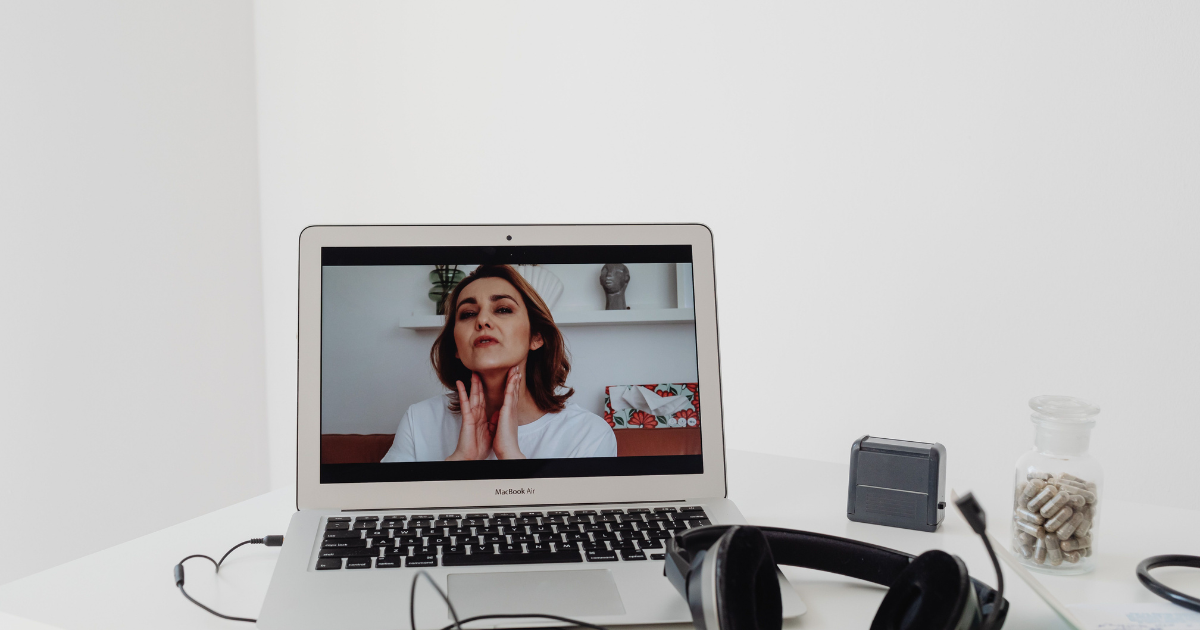
Quality online therapy relies on secure technology built for healthcare, not just any video app. Reputable providers use HIPAA-compliant platforms that encrypt your sessions and protect your information, meeting the same privacy standards required of in-person care.
Ensuring Privacy and Confidentiality in Online Counseling Platforms
Confidentiality is central to effective therapy, and online counseling platforms take it seriously through encryption, secure logins, and strict data protection. Still, it’s smart to ask a few questions before your first session: Is the platform HIPAA-compliant? How is my data stored and protected? Who has access to session information?
You can protect your own privacy, too. Choose a quiet, private space for sessions, use headphones, and connect through a secure home network rather than public Wi-Fi. These simple steps help ensure your virtual therapy sessions stay as confidential as a closed office door.
Cost Considerations and Insurance Coverage for Teletherapy Services
Cost is a practical part of any decision, and the good news is that teletherapy is often more affordable than traditional care. Many insurance plans now cover virtual sessions at the same rate as in-person visits, thanks to mental health parity laws and expanded telehealth policies.
Before starting, check a few details: whether the provider accepts your insurance, what your copay or deductible will be, and whether teletherapy is covered under your specific plan. If you’re paying out of pocket, ask about session fees, sliding-scale options, or package rates. Many practices are transparent about pricing and happy to help you understand your options—so don’t let uncertainty about cost stop you from asking. Clarifying this upfront prevents surprises and helps you commit to consistent care.
Building Trust and Rapport With Your Online Mental Health Professional
Trust doesn’t appear instantly—it grows over the first several sessions as you get to know each other. A good online mental health professional will listen without judgment, explain their approach, invite your feedback, and adjust as needed. It’s completely normal to feel a little awkward at first, especially over video.
Give the relationship a few sessions before deciding whether it’s the right fit. That said, trust your instincts: if you consistently feel unheard, dismissed, or uncomfortable, it’s okay to look for someone else. Finding the right match sometimes takes a couple of tries, and that’s a normal part of the process, not a failure.
Red Flags to Avoid When Choosing a Behavioral Health Provider
Most behavioral health providers are ethical professionals, but it helps to know the warning signs of a poor fit. Be cautious if a provider can’t or won’t verify their license, guarantees quick “cures,” pushes products, or dismisses your concerns. Other red flags include frequent lateness, poor communication, breaches of confidentiality, or making you feel judged.
Any provider who blurs professional boundaries or discourages a teen from involving trusted parents or guardians is a serious concern. Trustworthy care is transparent, respectful, and centered on your wellbeing.
Getting Started With Teen Mental Health Texas and Licensed Mental Health Professionals
Choosing the right therapist doesn’t have to be a solo journey. Working with an established practice takes much of the guesswork out of the process, connecting you with vetted, licensed professionals who specialize in the care you need.
At Teen Mental Health Texas, our team of licensed mental health professionals provides compassionate, evidence-based online therapy designed around the unique needs of teens and their families. Whether your family is seeking anxiety treatment, depression counseling, or general mental health support, we’re here to make getting started simple and stress-free. Visit Teen Mental Health Texas to reach out today and take the first step toward the right care.

FAQs
How do I know if online therapy is right for my mental health needs?
Online therapy works well for many concerns, including anxiety, depression, stress, and relationship issues, and research shows it’s as effective as in-person care for most people. It’s a strong fit if you have a private space and reliable internet. For severe crises or certain complex conditions, a provider can help you determine whether in-person or higher-level care is needed.
Can licensed therapists provide effective anxiety treatment through virtual sessions?
Yes. Licensed therapists deliver proven anxiety treatments—such as cognitive behavioral therapy and exposure techniques—effectively through virtual sessions. Studies consistently find that online anxiety treatment produces outcomes comparable to face-to-face care. The key is working with a properly licensed provider experienced in treating anxiety.
What insurance plans cover teletherapy services for depression counseling?
Coverage varies, but many major insurers now cover teletherapy for depression counseling at rates similar to in-person visits, supported by mental health parity laws. The best approach is to contact your insurance provider or ask the practice to verify your benefits, including any copay, deductible, or session limits, before you begin.
How long does it typically take to build rapport with an online mental health professional?
Most people begin to feel comfortable within the first three to five sessions, though it varies by individual. Feeling a bit awkward early on is normal. If you don’t feel any connection after several sessions, it’s reasonable to consider a different provider—finding the right match is a normal part of the process.
Are behavioral health platforms as secure as in-person therapy offices?
Reputable behavioral health platforms use HIPAA-compliant encryption and strict data protections that meet the same confidentiality standards as in-person offices. To stay secure, confirm the platform is HIPAA-compliant, use a private space, and connect through a trusted network rather than public Wi-Fi.


