 Skip to content


Residential Mental Health Treatment for Teens in Texas
Comprehensive 24/7 Care for Teens Who Need More Than Outpatient Treatment
Some teenagers reach a point where outpatient programming – no matter how structured – is not enough. When a teen’s mental health condition is too severe to manage safely at home, when daily stressors are fueling a cycle that outpatient treatment cannot break, or when a previous level of care has not produced sufficient progress, residential mental health treatment provides the immersive, around-the-clock therapeutic environment that makes sustained recovery possible.
At Teen Mental Health Texas, our teen residential mental health treatment is built exclusively for adolescents. This is not an adult facility with a teen wing. Every clinical protocol, daily schedule, therapeutic activity, and staff interaction is designed around the developmental needs of teenagers. Our licensed clinicians specialize in adolescent mental health and understand that the intensity of residential care must be matched with warmth, structure, and a genuine respect for the autonomy adolescents are working to develop.
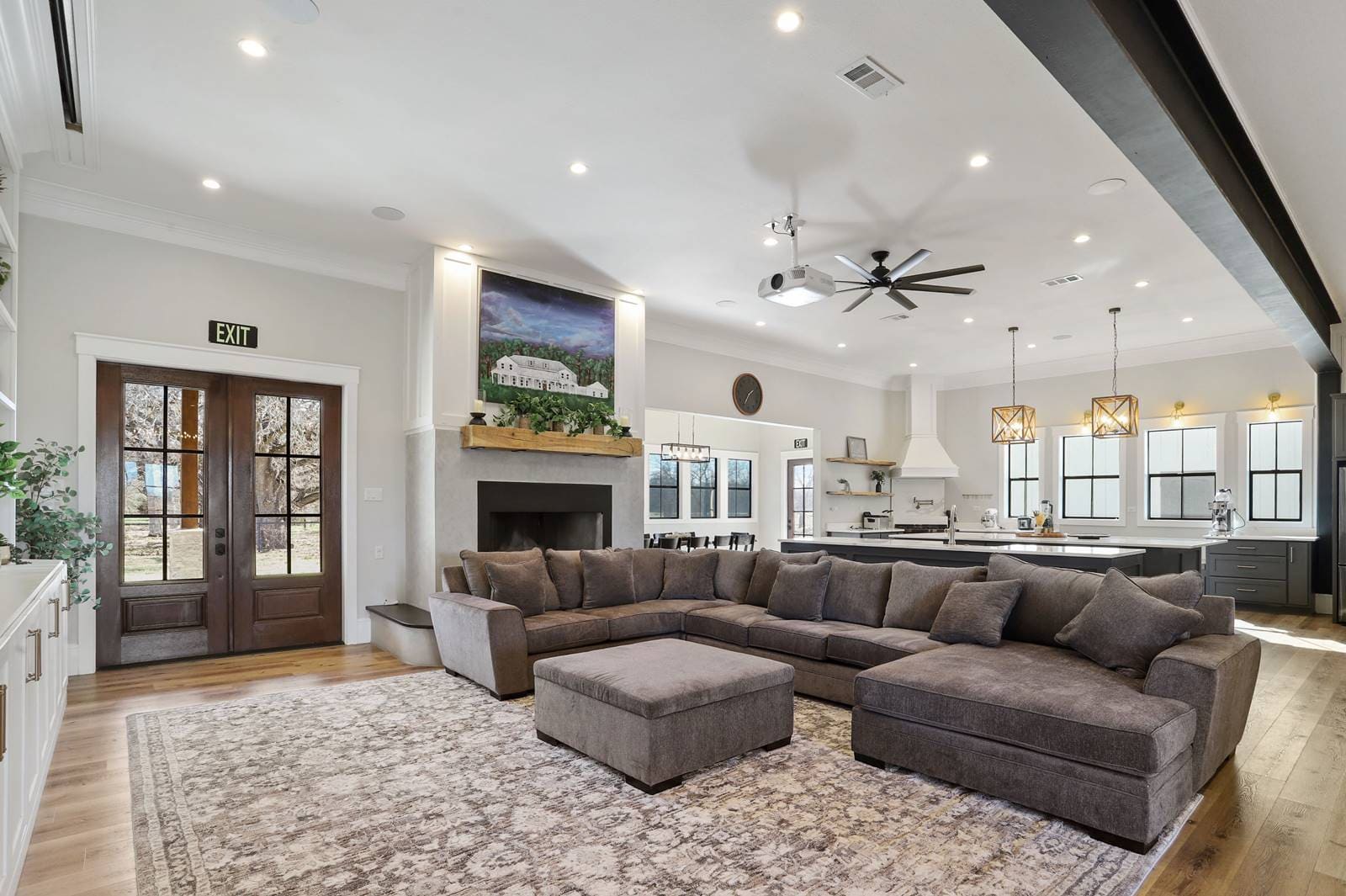
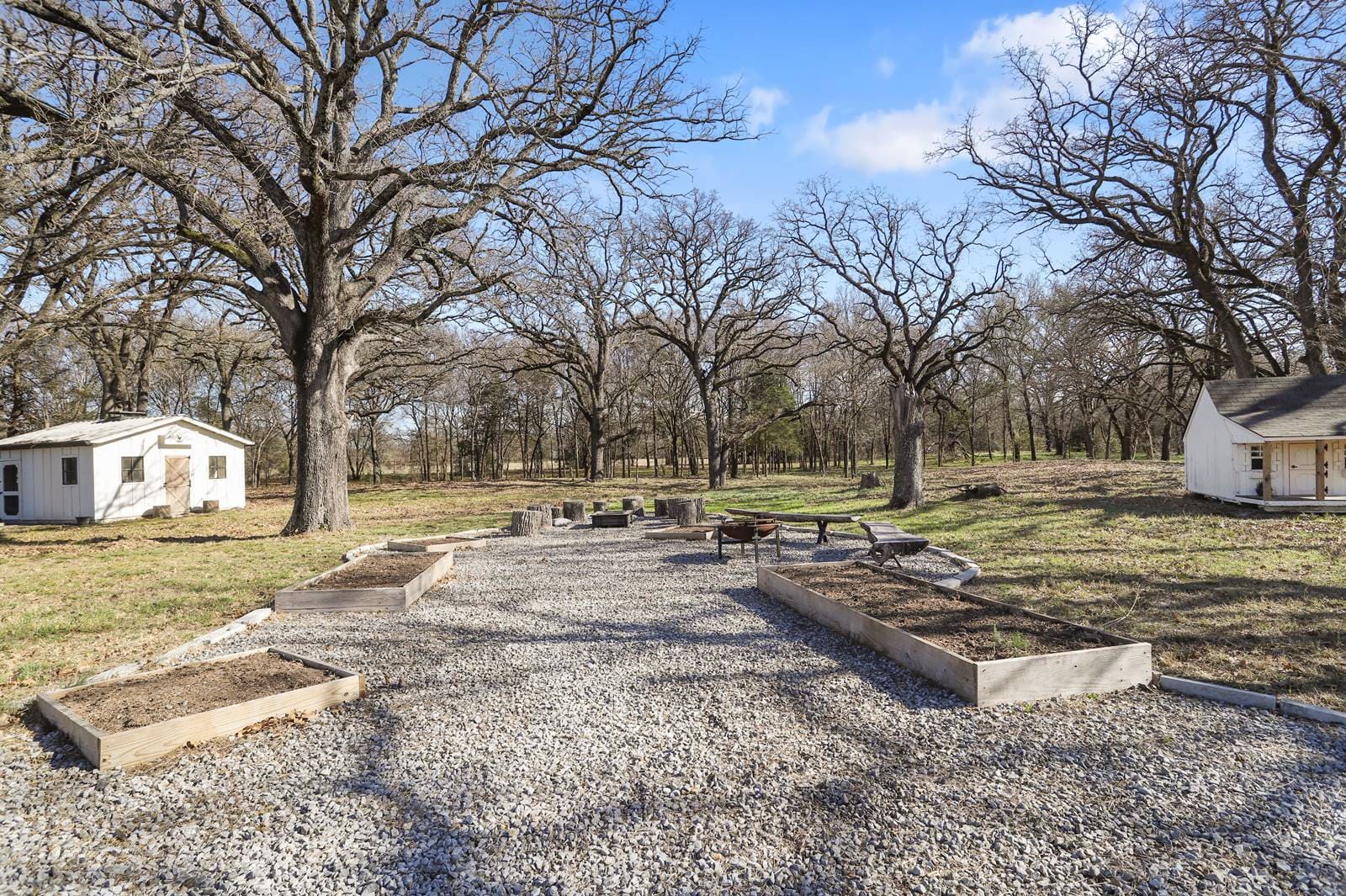
Our residential program provides daily therapy sessions, structured routines, holistic wellness programming, and family involvement in a pet-friendly setting designed to feel safe rather than clinical. Teens receive the sustained clinical attention their condition requires while living in an environment that promotes healing and the gradual restoration of daily functioning.
Residential treatment at our facility is available for a wide range of adolescent mental health conditions, and our comprehensive intake assessment ensures each teen’s treatment plan is built around their specific diagnosis, history, and goals. We accept most major insurance plans and offer same-day admissions for families ready to begin.
Contact Teen Mental Health Texas today at (866) 508-6072 or visit our Contact Us page for a confidential, no-cost assessment to determine whether residential care is the right level of support for your teen.
View Quick Links
What Is Residential Mental Health Treatment for Teens?
Residential treatment is the highest level of structured care we provide. Teens live on-site at our facility and participate in a full daily schedule of therapeutic, educational, and wellness activities under the guidance of a clinical team that is present around the clock. Here is what defines our residential program.
Around-the-Clock Clinical Presence
Unlike outpatient programs, where teens attend sessions and return home, residential treatment provides continuous access to clinical support. Licensed staff are available at all hours – not just during scheduled therapy – which means your teen has immediate help during difficult moments, whether that is a crisis at midnight or an emotional breakthrough at breakfast.
Structured Therapeutic Environment
Every element of the residential day is intentionally designed to support recovery. Wake times, meals, therapy sessions, group activities, physical wellness, creative programming, and wind-down routines follow a consistent daily rhythm. For teens whose mental health condition has disrupted their daily structure, this predictability itself becomes a therapeutic tool – reducing anxiety and building the habits that support long-term stability.
Immersive Treatment Without Daily Stressors
Residential care temporarily removes the environmental triggers and daily stressors that may be maintaining or worsening a teen’s condition – toxic peer dynamics, academic pressure, household conflict, or access to harmful behaviors. This separation creates a focused clinical space where teens can engage fully in treatment.
For families seeking a less intensive level of care, our Intensive Outpatient Program (IOP) and Virtual IOP for Teens provide structured treatment while teens continue living at home.
Conditions We Treat in Residential Care
Our residential program is equipped to treat the most complex and severe adolescent mental health presentations. During the intake assessment, our clinical team evaluates each teen’s symptoms, safety concerns, treatment history, and co-occurring conditions to build a treatment plan that addresses the full clinical picture.
Severe Depression and Mood Disorders
Teens experiencing debilitating depressive episodes, persistent mood instability, or functional collapse related to teen depression, teen bipolar disorder, or other mood disorders receive intensive daily intervention focused on stabilization, mood management, and the gradual restoration of motivation and daily engagement.
Acute Anxiety and OCD
For adolescents whose anxiety or OCD has become so severe that they cannot attend school, leave the house, or function in daily life, residential treatment provides the contained, supportive environment needed for intensive exposure-based and skill-building work without the option of retreating into avoidance.
Trauma and PTSD
Teens with complex trauma histories – including abuse, neglect, violence, or prolonged adversity – often require the safety and consistency of residential care to engage in deep therapeutic work. Our program integrates trauma-specific modalities within a treatment environment where every interaction is informed by the principles of Trauma-Informed Care.
Eating Disorders and Body Image Disturbance
Adolescents with severe eating disorders or body image issues involving medically concerning behaviors benefit from the structured meal support, clinical monitoring, and daily therapeutic intervention that residential care provides. The residential setting allows our team to address disordered eating patterns in real time rather than relying on self-reporting between outpatient sessions.
Self-Harm, Suicidal Ideation, and Crisis Stabilization
For teens actively engaging in self-harm, expressing suicidal thoughts, or exhibiting behaviors that put their safety at risk, residential treatment provides the supervision and clinical responsiveness that outpatient care cannot match. Our team delivers DBT-informed crisis intervention alongside therapeutic work addressing the emotional pain driving the behavior.
See our What We Treat page for a full range of the conditions we address.
Therapy Modalities Used in Our Residential Program
Our residential program draws from a range of evidence-based modalities selected for their effectiveness with adolescents in intensive treatment settings. Each teen’s treatment plan combines multiple approaches based on their diagnosis, presentation, and therapeutic goals.

Individual Therapy
Individual therapy is the clinical anchor of residential treatment. Multiple sessions per week give teens consistent, private time with their therapist to process experiences, track progress, and develop the self-understanding that supports lasting recovery. In the residential setting, individual therapy can move at a deeper pace than outpatient work allows because the teen is fully immersed in the treatment environment.

Cognitive Behavioral Therapy (CBT)
Cognitive Behavioral Therapy (CBT) helps teens identify and restructure the thought patterns that maintain their symptoms – whether those are the hopelessness of depression, the catastrophic predictions of anxiety, or the distorted self-beliefs driving body image disturbance. In residential care, CBT skills are reinforced throughout the day as staff support teens in applying what they learn in sessions to real-time situations within the milieu.

Trauma-Informed Care
Trauma-Informed Care is not a single modality but a framework that shapes how all treatment is delivered in our residential program. Every staff interaction, clinical decision, and environmental element accounts for the impact of adverse experiences on a teen’s nervous system, behavior, and capacity for trust. For teens with complex trauma histories, this framework creates the safety needed before deeper therapeutic work can begin.

Mindfulness and Yoga
Mindfulness and Yoga are integrated into the daily residential schedule because physical and emotional regulation are deeply connected. Guided breathing, body awareness, and movement practices help teens develop a calmer relationship with their internal experience – particularly valuable for adolescents whose conditions involve hyperarousal, dissociation, or difficulty being present in their own body.

Group Therapy
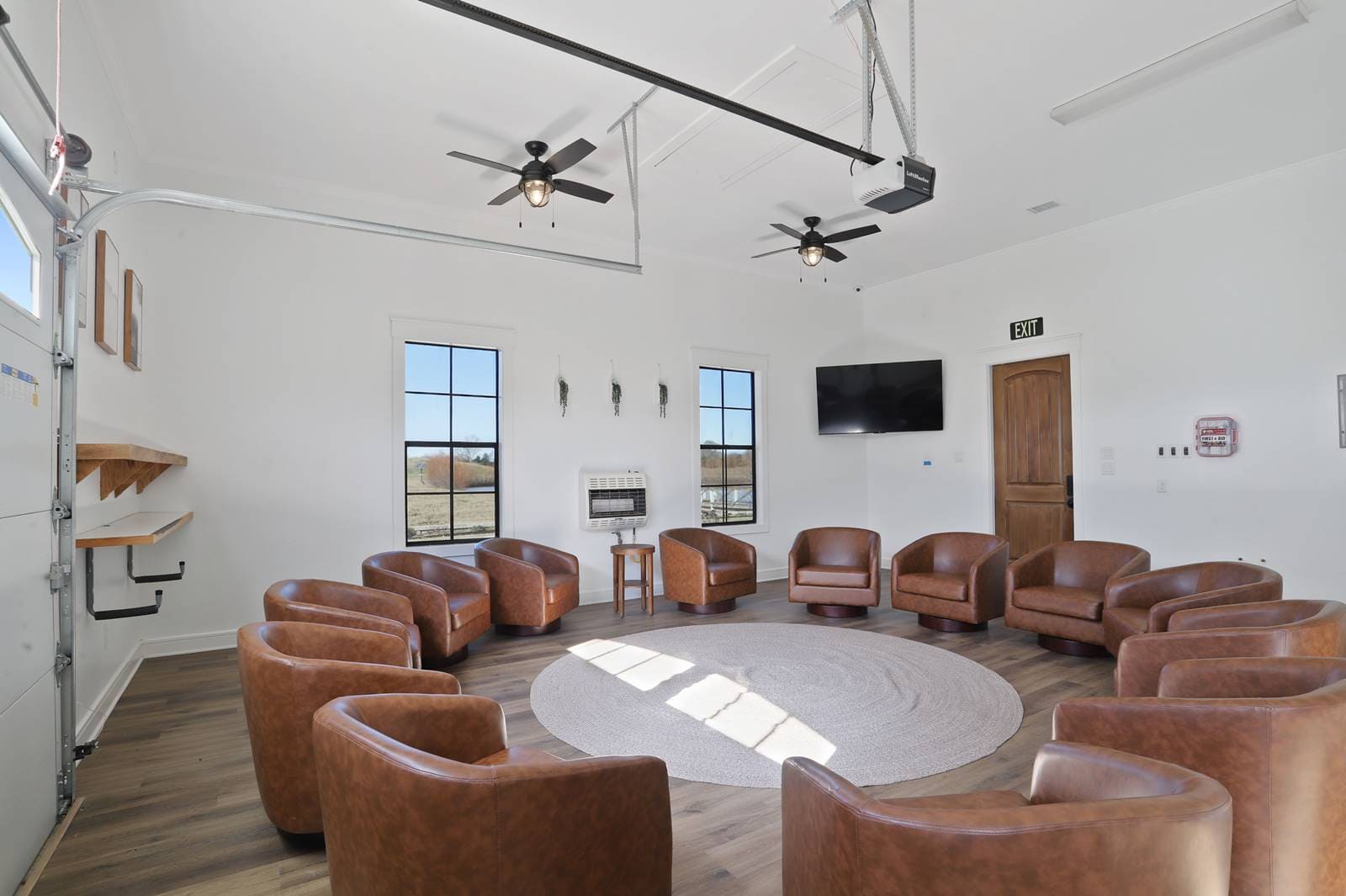
Group therapy in the residential setting carries a unique intensity because the teens participating live alongside one another. The relationships formed in residential groups are deeper than what a weekly outpatient group typically produces. Adolescents practice interpersonal skills, give and receive feedback, and build genuine peer support within a community that understands what they are going through daily.
These modalities can be combined within a single treatment plan, and our clinical team adjusts the approach throughout the residential stay based on each teen’s progress and evolving needs.
Explore our full range of approaches on our Therapy page to see how each modality supports adolescent healing.
What a Typical Day in Residential Treatment Looks Like
Understanding the daily structure of residential care helps both teens and parents prepare for the experience. While each teen’s schedule is personalized to their treatment plan, here is a general overview of how a day in our program is organized.
Morning Routine and Therapeutic Programming
Each day begins with a consistent morning routine followed by a structured block of therapeutic activities. This may include individual therapy sessions, psychoeducation groups, or skill-building workshops, depending on the day’s schedule. The morning structure sets a productive tone and gives teens a sense of purpose from the start of the day.
Family Programming
Family sessions and parent communication occur on a regular schedule throughout the residential stay. Parents participate in family therapy, receive updates from the clinical team, and have access to parent support groups where they connect with other families navigating similar situations. Our Parent Resources page provides additional tools for supporting your teen during and after residential care.
Wellness and Expressive Activities
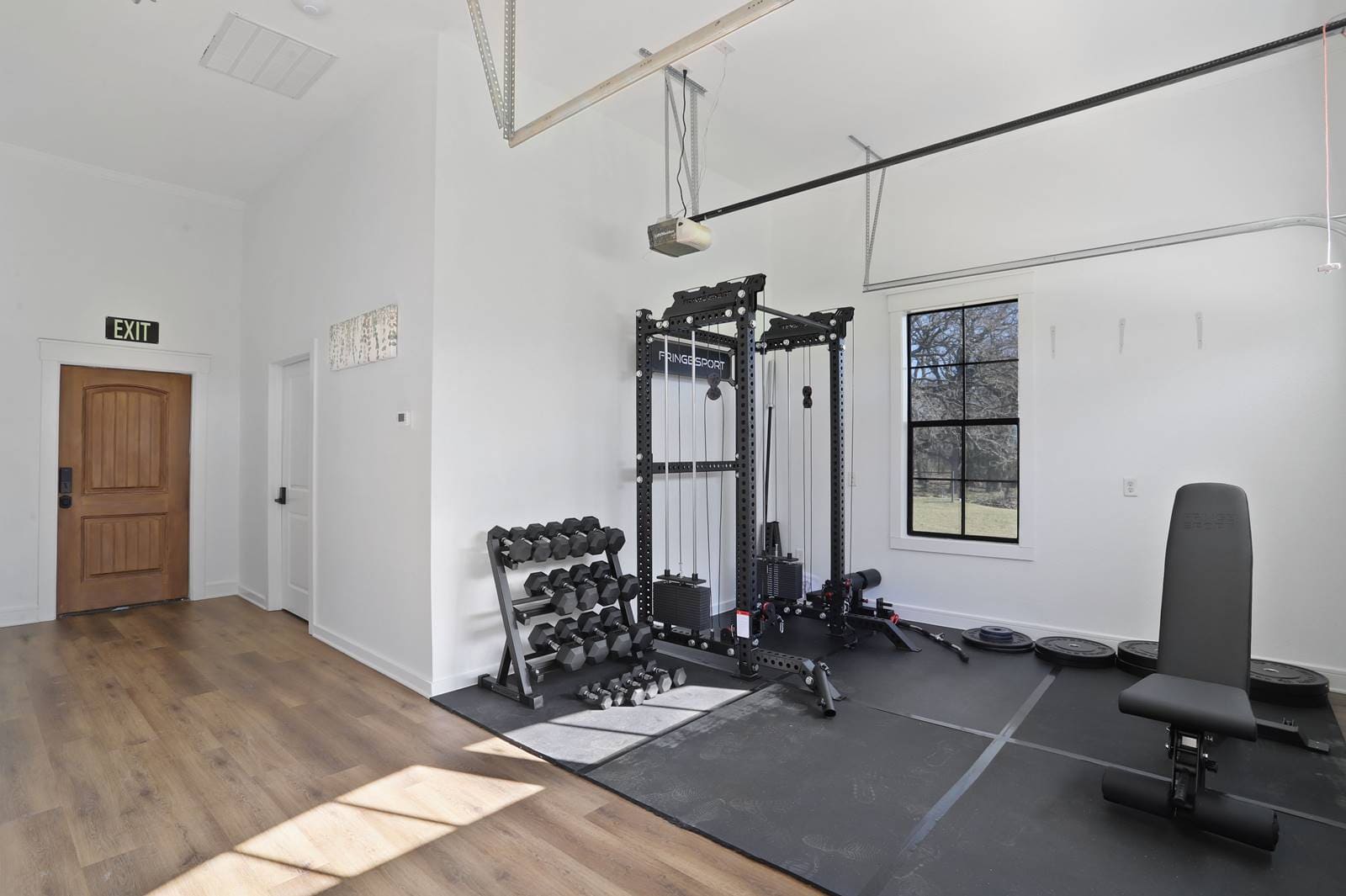
Afternoons incorporate physical activity, creative programming, and holistic wellness practices. These are not filler activities – they are clinically intentional elements designed to support the whole person. Physical movement, creative expression, and mindfulness practice reinforce therapeutic concepts and give teens healthy outlets for energy and emotion.
Evening Wind-Down and Reflection
The evening schedule transitions toward quieter, restorative activities. Teens participate in reflection exercises, journaling, or process-oriented group discussions before a structured wind-down routine that supports healthy sleep. For teens whose mental health condition has disrupted their sleep-wake cycle, this consistent evening structure plays a direct role in sleep restoration.
Why Choose Teen Mental Health Texas for Residential Treatment?
Residential care is a significant decision, and the quality of the program matters enormously. Here is what sets our residential treatment apart.
Exclusively Adolescent Population
Our residential program serves only teenagers. Teens are not housed alongside adults or younger children, and every aspect of programming reflects adolescent developmental needs.
Pet-Friendly Therapeutic Environment
Our facility welcomes therapeutic animal interaction, which research shows can reduce anxiety, increase engagement, and provide comfort during the early and most difficult stages of treatment.
Personalized Daily Treatment
Each teen receives an individualized schedule of therapy, group work, and wellness activities – not a standardized curriculum that treats every adolescent the same way.
Step-Down Planning From Day One
Our team begins planning the transition to a lower level of care from the first week of admission, ensuring that your teen’s progress continues seamlessly after leaving residential treatment.
Integrated Family Involvement
Parents are not shut out of residential care. Family therapy, regular communication, and parent education are built into the program so the household is prepared to support the teen’s return home.
To learn more about our clinical team and philosophy, visit our About Us page.
Who Is Residential Treatment Right For?
Residential mental health treatment is our highest level of care and is designed for teens whose clinical needs exceed what outpatient programming can safely address. It may be the right fit if your teen is:
- Experiencing severe symptoms of depression, anxiety, trauma, psychosis, or other conditions that have significantly impaired daily functioning
- Engaging in self-harm or expressing suicidal thoughts that cannot be safely managed at home
- Not responding to outpatient therapy, IOP, or Virtual IOP despite consistent engagement
- In need of a structured environment away from daily stressors that are fueling or maintaining their condition
- Requiring close clinical monitoring for acute psychiatric symptoms or medically concerning behaviors such as severe eating disorder presentations
If you are unsure whether residential care is the right level of support, our admissions team can help. We offer complimentary assessments to evaluate your teen’s needs and recommend the most appropriate program. Visit our Admissions Process page for a step-by-step overview of how enrollment works.
How to Start Residential Treatment for Teens in Texas
When outpatient care is not enough and your teen’s safety or functioning is at stake, residential treatment provides the intensive support that can turn the situation around. Our admissions process is designed to minimize the time between your first call and your teen’s first day in care.
Teen Mental Health Texas provides adolescent residential mental health treatment led by clinicians who specialize in the most complex teen presentations. With same-day admissions available and most major insurance plans accepted, your family can begin immediately.
Call (866) 508-6072 to speak with our admissions team, or visit our Contact Us page to schedule a confidential, no-cost consultation. We are ready to help your teen find stability.
Residential Treatment FAQs
How long does residential treatment last?
Length of stay is determined by each teen’s clinical needs, progress, and readiness to transition to a lower level of care. Our team evaluates progress continuously and collaborates with families to determine the appropriate timeline. Many teens stay for several months, though the duration is always driven by clinical indicators rather than a fixed schedule.
Can my teen continue their education during residential treatment?
Yes. Our residential program includes academic coordination to ensure teens maintain educational progress during their stay. We work with families and schools to support coursework continuity, and our Academic & School Support page provides more details on how we help teens stay on track.
Do you accept insurance for residential treatment?
Yes. We accept most major insurance plans, including Blue Cross Blue Shield, Aetna, Cigna, United Healthcare, and others. Some plans require pre-authorization for residential care, and our admissions team manages that process entirely so your family does not have to navigate it alone. Visit our Insurance We Accept page for more information.
What happens after my teen completes residential treatment?
Our team builds a detailed transition plan well before discharge. This typically includes a step-down to our IOP or Virtual IOP for continued structured support, referrals to community-based providers if needed, and family guidance on maintaining progress at home. The goal is always a seamless transition that preserves the gains made during residential care.
Can I visit my teen during residential treatment?
Yes. Family visitation is part of our program, and we encourage regular contact between teens and their families throughout the residential stay. The specifics of visitation schedules are discussed during the admissions process. Visit our What to Expect in Treatment page for a broader overview of the residential experience.
How do I know if my teen needs residential care versus IOP?
The primary factors are symptom severity, safety concerns, treatment history, and whether the home environment can support recovery. Teens in acute crisis, those who have not responded to outpatient care, or those needing a structured environment away from daily stressors are often best served by residential treatment. Our admissions team conducts a thorough assessment to help your family make this determination.
Visit our FAQ page for more information, or call (866) 508-6072 to speak with our team directly.
Verify Insurance
Confidential Help Available
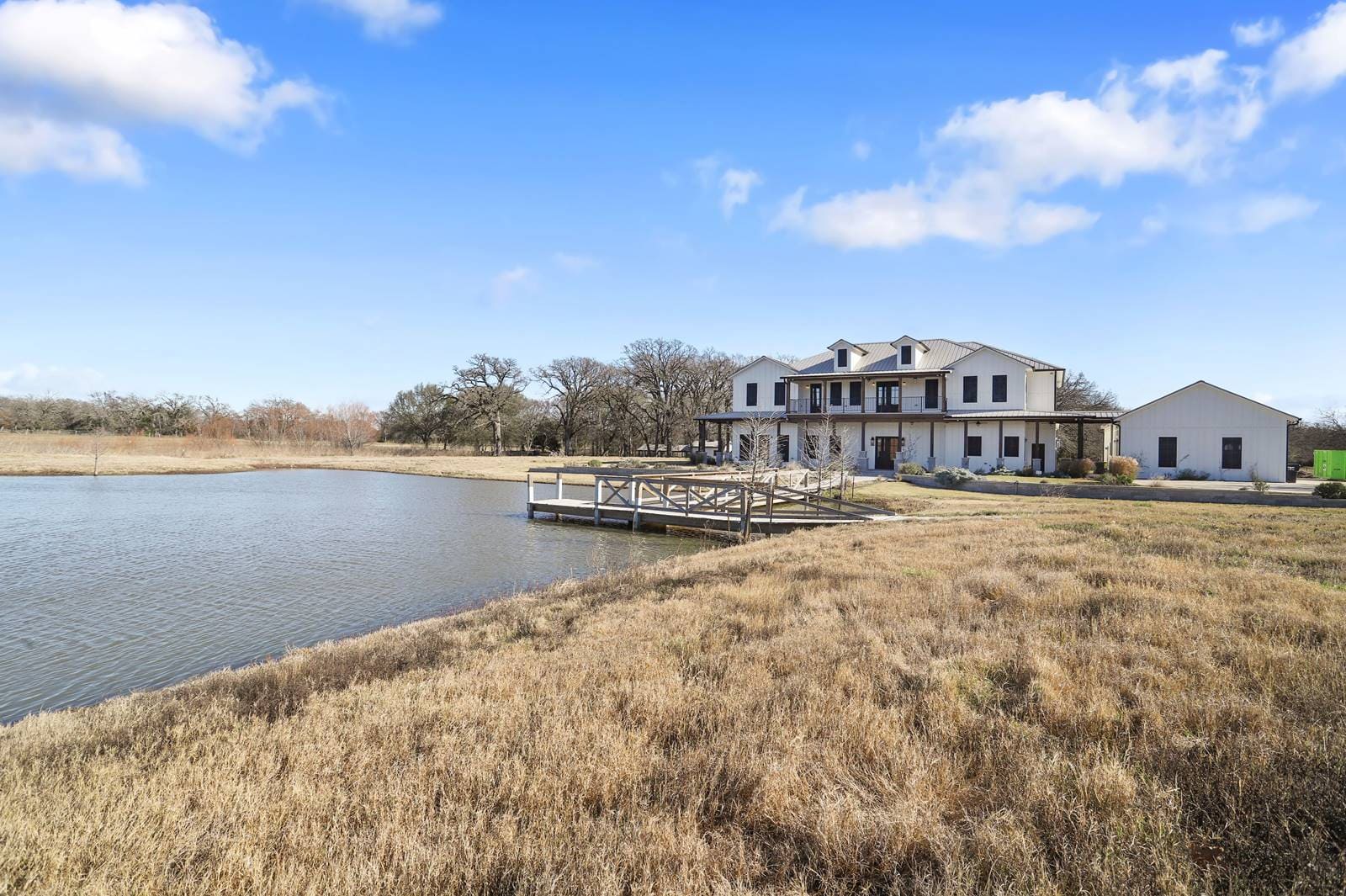
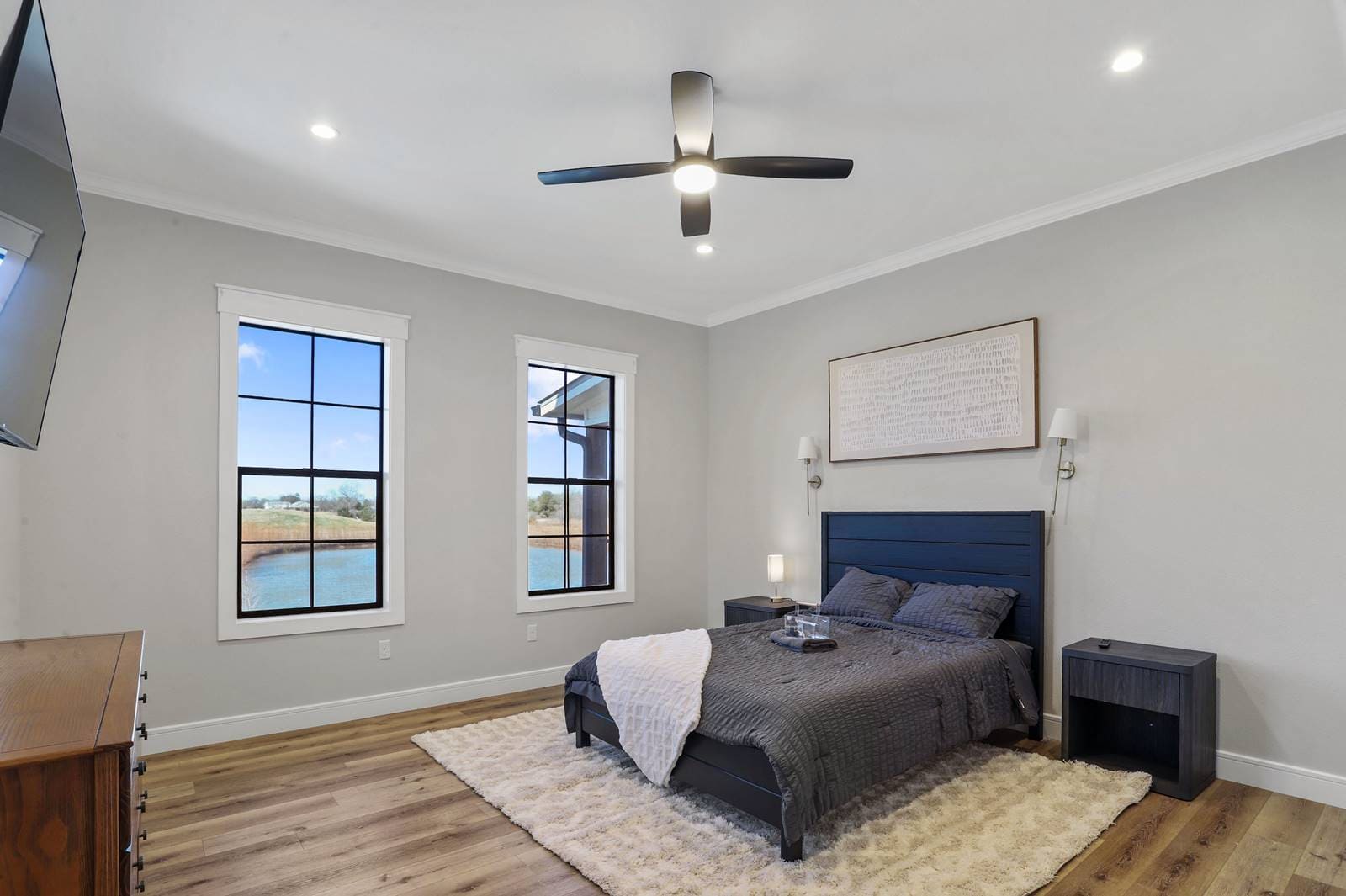
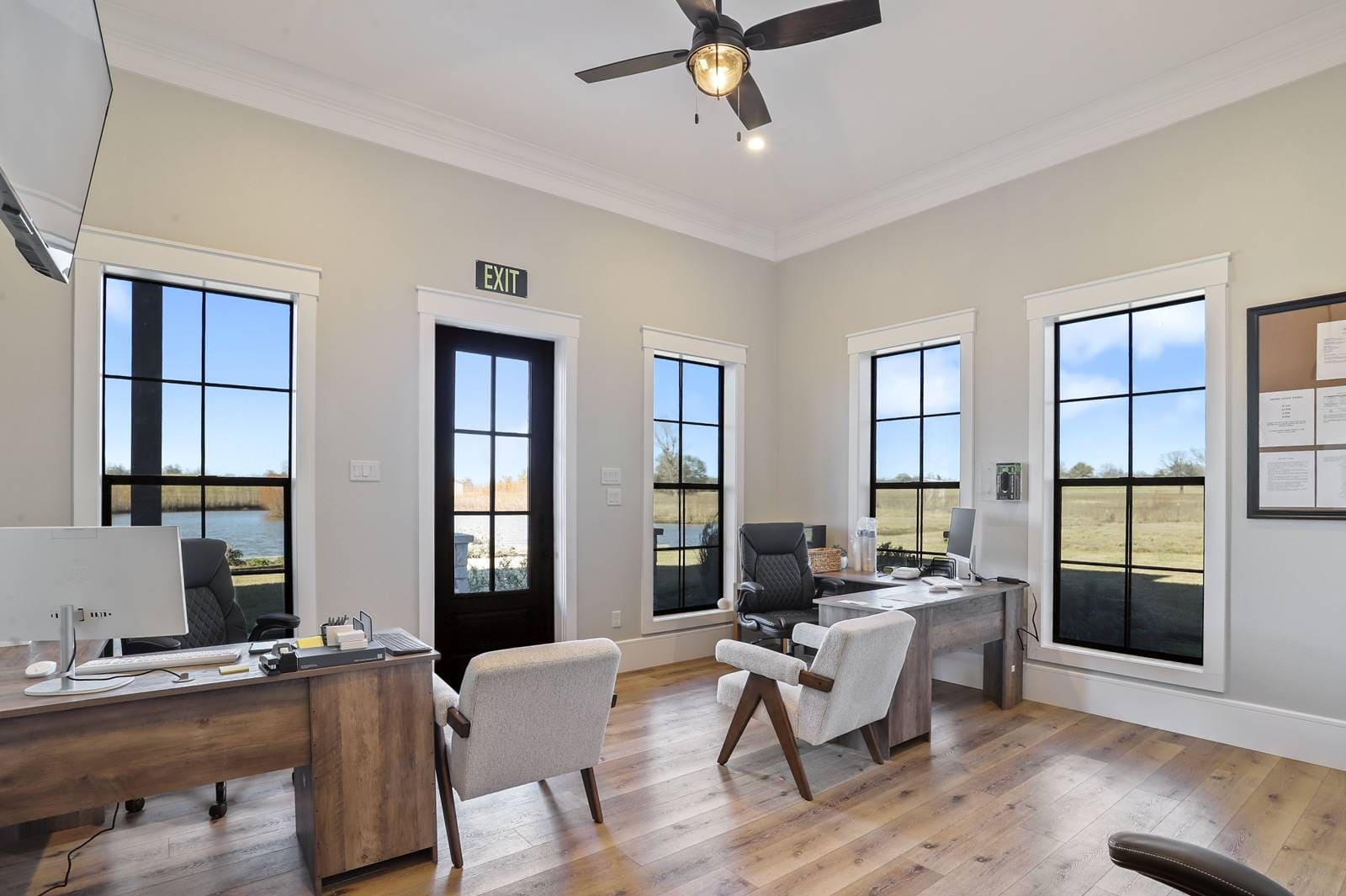
Our Facility
What We Treat
Levels of care
Therapies We Offer
- Cognitive Behavioral Therapy (CBT)
- Trauma Therapy (Trauma-Informed Care)
- EMDR Therapy
- Dialectical Behavior Therapy (DBT)
- Acceptance & Commitment Therapy (ACT)
