Skip to content


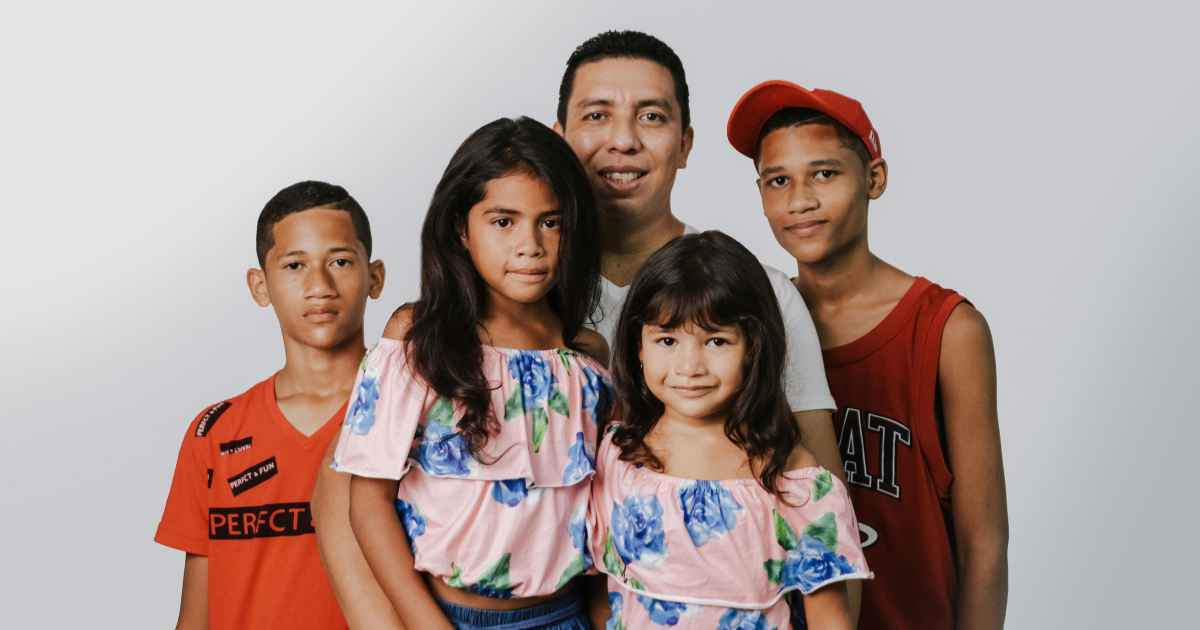
Walk into almost any American classroom and you will find teens who have been called Hispanic when they identify as Latino or Latino when they identify as neither—and who have spent years feeling like no available label quite fits. The Latino vs. Hispanic distinction is not a matter of political correctness or semantic splitting. It reflects genuinely different histories, different geographies, and different ways people claim their own identities. For teenagers working out who they are and where they belong, getting this right is anything but trivial.

Where These Terms Come From
The word “Hispanic” was introduced as an official U.S. government category in the 1970s to help federal agencies collect demographic data about Americans with ties to Spanish-speaking countries. It is a linguistic classification — rooted in the Spanish language and its colonial spread — rather than a geographic or cultural one. A person from Spain qualifies as Hispanic under this definition. A person from Brazil, where Portuguese is the national language, does not, even though Brazil shares borders, cultural history, and demographic overlap with many Hispanic-majority nations.
“Latino”—and its feminine form, “Latina”—refers to people with roots in Latin America, a geographic region that includes Mexico, Central America, South America, and the Caribbean. The emphasis is on geography and shared regional heritage rather than language. A Brazilian is Latino. A Spaniard, despite speaking Spanish, typically is not. Understanding the Latino vs. Hispanic distinction at this foundational level helps teens place themselves within a more accurate framework—one that matches their actual heritage rather than an administrative category assigned before many of them were born.
The Emergence of Latinx
In recent years, the gender-neutral term “Latinx” has entered common use, particularly among younger generations and in academic and activist spaces. It emerged as a way to move beyond the binary gender structure built into the Spanish language, offering an inclusive alternative for people who do not identify within the traditional masculine-feminine framing. Latinx identity is embraced enthusiastically by some and rejected firmly by others—including many within Latin American communities who view it as an imposition of American linguistic norms onto a language that operates differently. For teens navigating their own identity, the debate itself is worth knowing about. The point is not to prescribe which term a teen should use but to give them enough context to make that choice meaningfully.
Why the Distinction Matters for Teen Identity
Latino identity in teens is not a single, unified experience. It encompasses dozens of nationalities, hundreds of regional cultures, multiple languages and dialects, and centuries of distinct histories. A Mexican-American teen in San Antonio, a Cuban-American teen in Miami, and a Guatemalan-American teen in Houston may all be classified as Hispanic or Latino on a government form—but their cultural references, family histories, food, music, religious practices, and relationships to the United States are not the same. Treating them as interchangeable, even well-intentionally, communicates that the details of their heritage do not matter. For adolescents building ethnic identity among Latino youth, those details are precisely what matters most.
Bicultural teens — those raised between two cultures, often navigating English and Spanish at home and school simultaneously — face a particularly layered version of this identity work. They may feel pressure to prove their “authenticity” within their heritage community while also managing expectations in American social and academic settings. The internal negotiation this requires is real psychological labor, and it deserves acknowledgment rather than dismissal.
The Mental Health Stakes
Hispanic culture and mental health intersect in ways that are both protective and challenging. On the protective side, many Latino communities carry strong traditions of familismo—a deep emphasis on family loyalty, mutual support, and collective identity—that research consistently links to resilience and lower rates of certain mental health conditions. Cultural belonging and self-esteem studies show that teens with strong, positive ties to their ethnic heritage report better mental health outcomes across multiple measures.
The challenges are equally real. Spanish-speaking communities in the United States face documented barriers to mental health access, including language gaps in care, cultural stigma around mental health help-seeking and a shortage of culturally competent clinicians. Teens from these communities are less likely to receive mental health support even when they need it and more likely to have their struggles attributed to cultural factors without receiving actual clinical care.
Latino vs. Hispanic: Defining the Difference
| Dimension | Hispanic | Latino/Latina/Latinx |
| Based on | Spanish language connection | Latin American geographic origin |
| Includes Spain | Yes | No |
| Includes Brazil | No | Yes |
| Government origin | U.S. Census classification (1970s) | Cultural and geographic self-identification |
| Gender-neutral form | Hispanic (already neutral) | Latinx, Latine |
| Teen identity relevance | Administrative; less personally meaningful | Often more culturally resonant |
Cultural Pride as a Mental Health Resource
Cultural pride in adolescents is not a soft concept—it is a measurable psychological asset. Research on ethnic identity among Latino youth consistently finds that teens who feel positively connected to their cultural background show higher self-esteem, greater academic motivation, and stronger resistance to the negative effects of discrimination. This is not unique to Latino teens, but the research base with this population is particularly robust.
Building that pride requires more than hanging a flag in the classroom. It means creating genuine space for teens to explore their specific heritage—not a generalized “Hispanic Heritage Month” that flattens enormous diversity into a single category, but actual engagement with the particular history, language, and traditions of their families and communities. When schools and families invest in that specificity, the mental health benefits are real and lasting.
When Identity Becomes a Source of Conflict
Not every teen’s relationship with their cultural identity is positive, and it would be dishonest to present it as inevitably so. Some teens experience their Latino or Hispanic identity as a source of conflict — caught between parents who want them to maintain cultural traditions and peers who expect full assimilation. Some face discrimination based on their identity from classmates, teachers, or the broader community. Some are navigating documentation-related family stress that makes any conversation about cultural belonging feel painfully complicated.
Bicultural teens who feel they are never quite enough of either culture—not American enough, not Latino enough—can develop what researchers call “cultural homelessness,” a sense of not fully belonging anywhere. This experience, when unaddressed, carries real mental health risk. When addressed thoughtfully—through culturally competent therapy, peer connection, and family dialogue—it can become a source of unusual depth and resilience.

What Teens, Parents and Schools Can Do
Supporting teens in understanding and claiming their own identity — on their own terms, with accurate language — is one of the most meaningful things adults can do. A few concrete steps make a difference:
- Use the specific national origin (Mexican, Puerto Rican, Colombian, etc.) when possible rather than defaulting to blanket terms
- Ask teens which identity terms feel right to them, and respect their answers without debate
- Provide access to literature, history and media that reflects their specific heritage, not just a generalized Latino narrative
- Normalize mental health conversations within cultural frameworks that emphasize family and community strength
- Connect teens to counselors or therapists who share their cultural background or have demonstrated cultural competence
Supporting Latino and Hispanic Teens: Home and School Strategies
| Support Area | What Families Can Do | What Schools Can Do |
| Language and identity | Use heritage language at home; discuss family history | Offer bilingual resources and teach accurate terminology |
| Cultural connection | Celebrate specific national and cultural traditions | Include diverse Latino histories in the curriculum. |
| Mental health access | Reduce stigma through open family conversation | Provide culturally competent school counselors |
| Discrimination response | Validate experiences; teach advocacy skills | Enforce anti-discrimination policies consistently |
| Identity exploration | Support teens’ self-chosen identity terms | Create affinity spaces for Latino and Hispanic students |
FAQs
1. Are Latino and Hispanic the Same Thing?
They overlap significantly but are not identical. “Hispanic” refers to people with ties to Spanish-speaking countries and is a linguistic classification. “Latino” refers to people with roots in Latin America and is a geographic one. A person can be both; a Mexican-American teen, for example, is both Hispanic and Latino. A Spaniard is Hispanic but not Latino. A Brazilian is Latino but not Hispanic. Many people use both terms interchangeably, which is common, but understanding the distinction allows teens to choose the term that most accurately reflects their identity.
2. Is “Latinx” Widely Accepted in Latino Communities?
Acceptance varies considerably. Surveys consistently show that the majority of Latino adults in the United States are unfamiliar with or do not use the term “Latinx,” though younger and more highly educated groups show higher rates of use. Within Latinx identity discussions, the term is often embraced for its inclusivity of non-binary and gender-nonconforming individuals. The most respectful approach is to follow a teen’s own preference rather than imposing any particular term.
3. How Does Cultural Identity Affect Teen Mental Health?
Cultural belonging and self-esteem research makes a consistent case that positive ethnic identity is a protective mental health factor. Teens who feel connected to their cultural heritage, who see it reflected positively in their environment, and who have strong family and community ties tend to show greater resilience, higher self-esteem, and lower rates of depression and anxiety. When cultural identity is a source of conflict or discrimination rather than connection, the mental health risks increase significantly.
4. What Is “Familismo” and How Does It Affect Latino Teen Mental Health?
Familismo is a cultural value common in many Latino communities that prioritizes family loyalty, interdependence, and collective well-being over individual autonomy. For teens, it can be both a source of support—knowing the family has their back—and a source of pressure, particularly when personal needs conflict with family expectations. Hispanic culture and mental health research acknowledge familismo as both a protective factor and a context that can complicate help-seeking when mental health struggles carry family stigma.
5. How Can Parents Help a Bicultural Teen Navigate Identity Challenges?
The most important thing parents can do is create a home environment where both cultural identities are affirmed without hierarchy. Bicultural teens benefit from hearing that they do not have to choose—that holding two cultural identities simultaneously is a strength, not a contradiction. When identity stress becomes persistent or begins affecting a teen’s daily functioning, connecting with a culturally competent mental health professional who understands the bicultural experience can make a significant difference in how effectively the teen is supported.
Rooted in Culture, Ready to Help — Teen Mental Health Texas Understands
The Latino vs. Hispanic distinction is about more than vocabulary—it is about seeing teens fully, honoring where they come from and supporting the identity work that shapes who they become. Teen Mental Health Texas provides culturally informed mental health care for Latino, Hispanic, and bicultural adolescents across Texas. Reach out to Teen Mental Health Texas today to connect your teen with compassionate professionals who understand their world and are ready to help them thrive in it.