 Skip to content


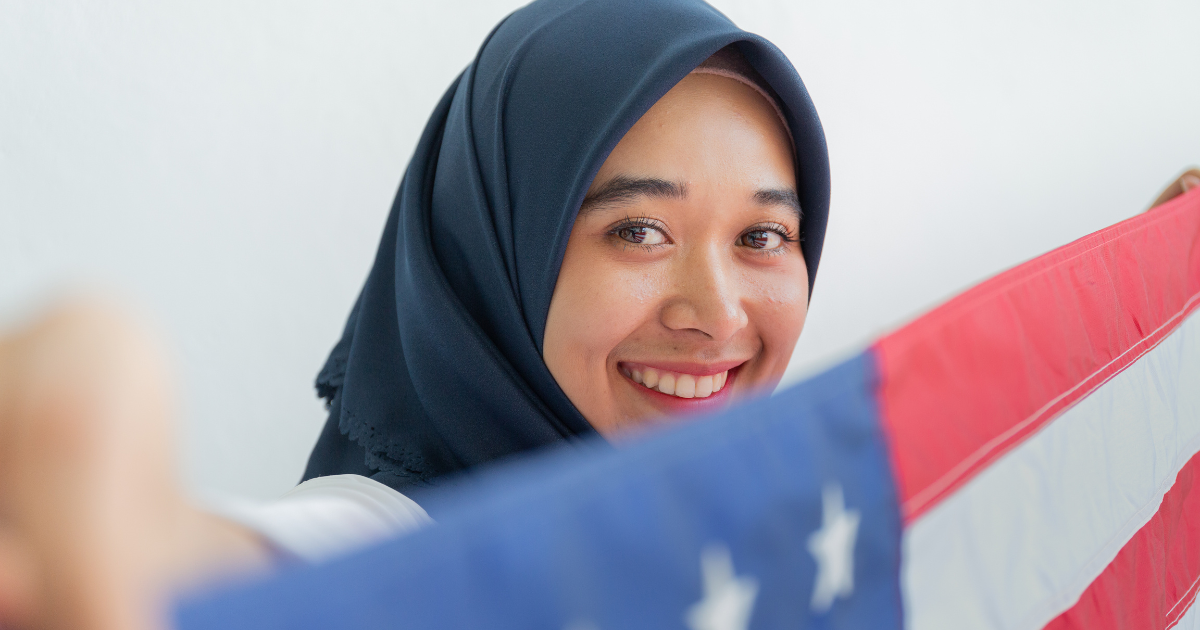
Adolescence represents a critical period when young people actively construct their sense of self while navigating complex social landscapes. During these formative years, teenagers face the challenging task of integrating new experiences, cultural expectations, and social norms into their developing identities. This process becomes particularly complex during the teenage years when identity formation reaches its peak intensity. For many adolescents, especially those from immigrant families or minority backgrounds, the pressure to assimilate can create profound internal conflicts that significantly impact their mental health and overall well-being. Understanding how assimilation affects teen identity development provides essential insight into the psychological struggles many young people face today.

The mental health implications of assimilation extend far beyond simple cultural adjustment, touching every aspect of a teenager’s emotional and psychological development. These adaptation challenges often lead to heightened anxiety, depression, and identity confusion when teens feel forced to choose between their cultural heritage and social acceptance. The social adaptation process during adolescence involves not only fitting into peer groups but also maintaining connections to family traditions, language, and cultural values that shape their foundational identity. Cultural assimilation challenges become especially pronounced in school environments where the pressure to conform intersects with the natural adolescent desire for belonging and acceptance. This blog explores the multifaceted ways assimilation impacts teen mental health, examines the difference between healthy cultural integration and harmful forced conformity, and provides guidance for supporting adolescents through these complex identity struggles.
What Assimilation Means for Today’s Teenagers
This process in the teenage context represents far more than simply adopting new cultural practices or social behaviors—it encompasses a comprehensive psychological process that shapes how adolescents perceive themselves and their place in the world. For teens navigating multiple cultural identities, assimilation often involves making difficult choices about which aspects of their heritage to maintain and which elements of the dominant culture to embrace. This social adaptation process occurs simultaneously across multiple environments: in classrooms where academic success may seem tied to cultural conformity, in peer groups where acceptance often depends on shared interests and behaviors, and within families where traditional values may clash with mainstream expectations. The immigrant identity struggles that many teens experience stem from this constant negotiation between competing cultural frameworks, each demanding different versions of who they should become. Unlike adults who have already formed stable identities, teenagers face these pressures during the exact developmental period when their sense of self remains most vulnerable to external influence.
Understanding what is cultural integration versus forced conformity becomes crucial when examining teen mental health outcomes. Healthy cultural integration allows adolescents to selectively adopt new cultural elements while maintaining meaningful connections to their heritage, creating a flexible identity that honors both backgrounds. In contrast, this forced conformity occurs when teens feel they must completely abandon their cultural identity to gain social acceptance or avoid discrimination, leading to what psychologists call “cultural identity suppression.” This suppression creates internal psychological conflict as teens deny fundamental aspects of who they are to fit external expectations. When teenagers internalize these messages, they may begin to experience shame about their background, distance themselves from family traditions, and develop fragmented identities that contribute to long-term mental health challenges.
| Assimilation Type | Characteristics | Mental Health Impact |
|---|---|---|
| Healthy Integration | Maintains cultural heritage while adapting to new environment | Positive identity formation, reduced anxiety |
| Forced Assimilation | Complete abandonment of cultural background for acceptance | Identity confusion, depression, cultural shame |
| Separation | Rejection of dominant culture, isolation in heritage culture | Social isolation, limited opportunities |
| Marginalization | Disconnection from both heritage and dominant cultures | Severe identity crisis, increased mental health risk |
The Mental Health Impact of Cultural and Social Assimilation Pressures
The psychological toll of these struggles manifests in measurable increases in anxiety disorders, depression, and identity-related distress among teenagers facing cultural adaptation challenges. Research consistently demonstrates that adolescents experiencing intense cultural adaptation pressure show higher rates of mental health symptoms compared to peers who successfully develop integrated bicultural identities. The constant internal conflict between honoring family expectations and meeting peer standards creates chronic stress that depletes emotional resources and undermines psychological resilience. For immigrant teens and those from minority backgrounds, these pressures become compounded by additional factors including language barriers and discrimination experiences. The cognitive dissonance created when teens must present different versions of themselves in different contexts—one identity at home, another at school, yet another with peers—leads to exhausting psychological fragmentation that many adolescents describe as feeling like they belong nowhere completely.
Why is assimilation difficult for adolescents becomes clearer when examining the developmental tasks teenagers must accomplish while simultaneously navigating cultural adaptation. Adolescence naturally involves questioning inherited values, experimenting with different identities, and establishing independence from parents—processes that become exponentially more complex when cultural integration enters the equation. Teens may feel guilty about adopting mainstream behaviors that conflict with family traditions, or conversely, resentful toward parents who maintain cultural practices that seem to hinder social acceptance. This internal struggle often remains invisible to parents and teachers until mental health symptoms become severe enough to interfere with daily functioning. The shame many teens feel about their cultural background—a direct result of these pressures—prevents them from seeking support or discussing their struggles openly, creating isolation that intensifies psychological distress.
- Withdrawal from cultural activities: Teens suddenly refusing to participate in family traditions, speak their heritage language, or attend cultural events they previously enjoyed, indicating possible shame about their background.
- Dramatic personality shifts: Noticeable changes in behavior, interests, or self-presentation that seem designed to distance themselves from their cultural identity and conform to peer expectations.
- Academic decline despite capability: Falling grades or reduced school engagement that may reflect the cognitive and emotional energy consumed by identity conflicts.
- Expressing cultural shame: Making negative comments about their own heritage, family traditions, or cultural background, or showing embarrassment when peers encounter cultural aspects of their life.
- Social isolation or friendship difficulties: Struggling to maintain relationships in either cultural community, feeling caught between groups, or experiencing rejection from peers in both contexts.
- Increased anxiety and mood symptoms: Persistent worry, sadness, irritability, or emotional volatility that correlates with situations requiring cultural navigation or identity presentation decisions.
Bicultural Identity Development and Finding Balance
Bicultural identity development represents a healthier alternative to complete assimilation, allowing teenagers to integrate multiple cultural frameworks into a cohesive, authentic sense of self. Rather than viewing cultural identity as an either-or choice, bicultural identity development recognizes that teens can successfully maintain meaningful connections to their heritage culture while also participating fully in the dominant culture. This approach acknowledges that these processes need not be opposing forces but can work together in creating flexible, adaptive identities. Adolescents who develop strong bicultural identities report higher self-esteem, better mental health outcomes, and greater life satisfaction compared to those who feel forced to choose one cultural identity over another. The process involves learning to code-switch appropriately between cultural contexts while maintaining internal consistency in core values and self-perception—a sophisticated psychological skill that requires support, validation, and practice to develop effectively.

Understanding how does assimilation affect identity helps explain why some teens navigate cultural integration more successfully than others. Individual factors including personality traits, language proficiency, family support, and community resources all influence how adolescents experience and respond to cultural adaptation pressures. Teens with strong family communication and cultural pride as a foundation tend to develop more resilient bicultural identities, viewing their multicultural background as an asset rather than a liability. Conversely, adolescents facing discrimination, lacking cultural community connections, or receiving conflicting messages about their heritage from family and peers struggle more intensely with identity integration. The social adaptation process becomes smoother when schools, communities, and peer groups actively value cultural diversity rather than expecting conformity to a single cultural standard. Creating environments where teens can express multiple aspects of their identity without fear of rejection or judgment significantly reduces the mental health risks associated with cultural adaptation while promoting healthy identity development.
| Protective Factor | How It Supports Healthy Identity Development |
|---|---|
| Strong family communication | Provides safe space to discuss identity conflicts and receive validation for bicultural experiences |
| Cultural community connections | Offers peer support from others navigating similar challenges and reinforces cultural pride |
| Diverse school environments | Normalizes multicultural identities and reduces pressure to conform to single cultural standard |
| Bilingual proficiency | Enables full participation in both cultures and serves as tangible connection to heritage |
| Positive cultural narratives | Counters negative stereotypes and builds foundation for viewing multicultural identity as strength |
Supporting Your Teen Through Assimilation Challenges at Teen Mental Health Texas
Recognizing when cultural identity struggles require professional mental health intervention represents a crucial step in protecting your teenager’s psychological well-being and supporting healthy identity development. While some degree of cultural adjustment challenge is normal during adolescence, persistent symptoms that interfere with daily functioning, academic performance, or social relationships indicate the need for specialized support. Professional assessment can distinguish between typical developmental stress and more serious mental health conditions that may have developed in response to prolonged cultural pressure. Teen Mental Health Texas specializes in helping adolescents navigate the complex intersection of cultural identity and mental health, providing culturally-informed treatment that honors each teen’s unique background while addressing psychological symptoms. Our clinical team understands that effective treatment for identity-related distress must validate both cultural identities rather than pushing teens toward further conformity or cultural abandonment. Through evidence-based therapeutic approaches adapted for multicultural adolescents, we help teens develop integrated identities, process experiences of discrimination or cultural conflict, and build resilience against ongoing cultural pressures they will continue to face.
FAQs About Assimilation and Teen Mental Health
How does assimilation differ from accommodation in teen development?
Assimilation involves adapting new experiences to fit existing cultural and personal frameworks, while accommodation requires changing one’s identity or beliefs to fit new environments. For teens, healthy development involves balancing both processes rather than completely abandoning their cultural background.
Why is assimilation particularly difficult for adolescents?
Adolescence is already a critical period for identity formation, and adding cultural or social assimilation pressures creates additional stress. Teens face peer pressure to conform while simultaneously trying to honor family values and cultural heritage, creating internal conflict that can impact mental health.
What are signs my teen is struggling with cultural assimilation?
Warning signs include withdrawal from family or cultural activities, expressing shame about their background, dramatic personality changes, declining academic performance, increased anxiety or depression, and difficulty maintaining friendships in either cultural group. Professional evaluation can help determine if intervention is needed.
Can assimilation struggles lead to serious mental health conditions?
Yes, prolonged assimilation stress without support can contribute to anxiety disorders, depression, identity disorders, and even suicidal ideation in severe cases. Early intervention and culturally-informed mental health treatment significantly improve outcomes for teens experiencing these challenges.
How can parents support teens through the assimilation process?
Parents should maintain open communication about cultural identity, validate their teen’s experiences, avoid forcing complete cultural abandonment, encourage bicultural identity development, and seek professional help when assimilation struggles impact daily functioning or mental health. Creating a home environment that honors both cultures helps teens develop healthy, integrated identities.


