

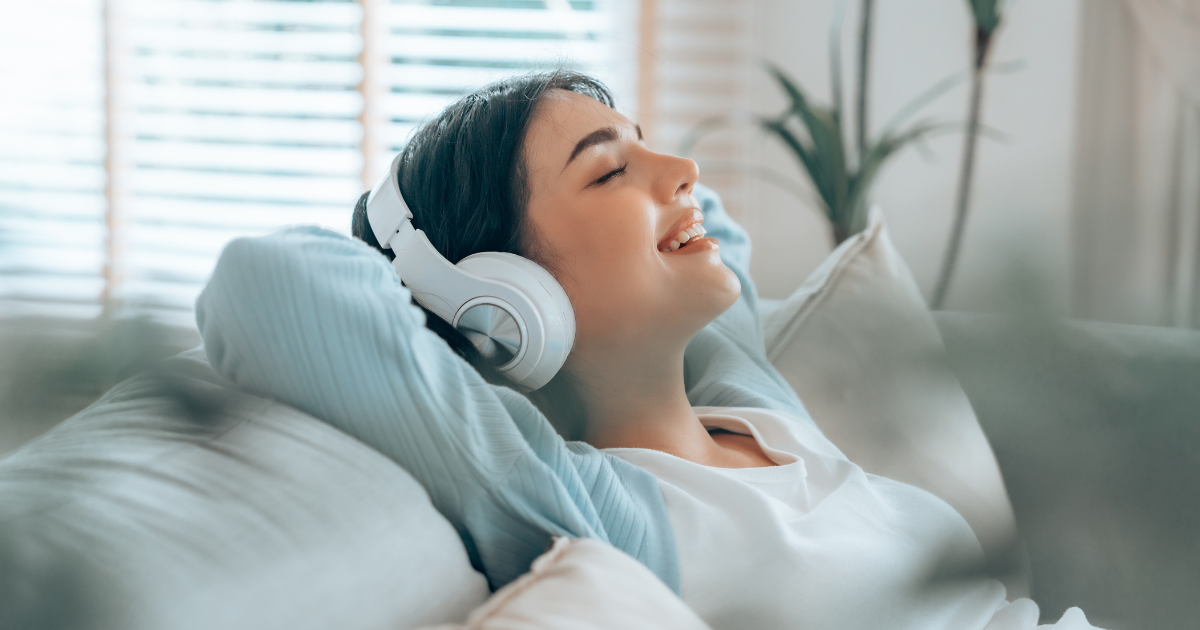
If you’ve noticed your teen scrolling through videos of someone whispering into a microphone, tapping on objects, or role-playing a spa visit, you’ve likely encountered ASMR content. The ASMR meaning refers to Autonomous Sensory Meridian Response, a tingling sensation that some people experience in response to specific audio or visual triggers. This ASMR meaning phenomenon has exploded across social media platforms, with millions of teens watching ASMR videos daily to help them relax, focus, or fall asleep. While the content might seem strange at first glance, understanding the ASMR meaning can help parents recognize why their teens are drawn to these videos and whether this trend supports or masks underlying mental health needs. ASMR has become more than just an internet curiosity—it represents how today’s teens are seeking accessible tools to manage stress and anxiety in an increasingly overwhelming world.

The rise of ASMR content coincides with documented increases in teen anxiety, depression, and sleep disturbances, making it essential for parents to understand both the benefits and limitations of this relaxation technique. What is ASMR sensation exactly, and why does it resonate so powerfully with adolescents facing academic pressure and social media stress? This article breaks down the autonomous sensory meridian response explained in accessible terms, explores common ASMR triggers and examples, and examines the science behind why ASMR helps with anxiety for some individuals. We’ll also address when exploring ASMR meaning reveals deeper mental health concerns that require professional support rather than self-directed coping strategies. By understanding the full context of the ASMR meaning and its role in teen wellness, parents can better support their children’s mental health journey.
ASMR Meaning Decoded: How the Brain Responds to Sensory Triggers
The ASMR meaning breaks down into four key words that describe a unique sensory experience: Autonomous (self-governing or spontaneous), Sensory (relating to the senses), Meridian (a peak or climax), and Response (a reaction to stimulus). When someone experiences ASMR, they typically feel a pleasant tingling sensation that begins at the scalp and moves down the neck and spine, sometimes extending to the limbs. This physical response occurs automatically in response to specific triggers and cannot be forced or faked, which is why not everyone experiences the ASMR tingles brain response even when exposed to the same content. Understanding the ASMR meaning helps parents recognize why their teens seek out this content for stress relief and emotional regulation. Research suggests that approximately 20% of the population experiences this autonomous sensory meridian response, explained by neuroscientists as a form of synesthesia-like phenomenon.
Understanding ASMR meaning through common ASMR triggers and examples includes whispering or soft-spoken voices, tapping or scratching sounds on various surfaces, personal attention scenarios like haircuts or medical examinations, and repetitive movements like page-turning or hand movements. The ASMR meaning extends beyond just the physical tingles to encompass the overall calming effect these triggers produce, even in people who don’t experience the characteristic sensation. Brain imaging studies have shown that ASMR activates regions associated with emotional arousal and social bonding, including areas that release oxytocin and endorphins. This neurological response helps explain why ASMR helps with anxiety by triggering the parasympathetic nervous system, which counteracts the body’s stress response. Not everyone experiences ASMR, and scientists are still investigating why certain brains are wired to respond to these specific stimuli while others remain unaffected.
| ASMR Trigger Category | Common Examples | Typical Effect |
|---|---|---|
| Auditory Triggers | Whispering, tapping, crinkling, brushing sounds | Immediate tingling sensation, mental relaxation |
| Visual Triggers | Hand movements, slow, methodical tasks, and close attention | Focused, calm, reduced mental chatter |
| Personal Attention | Roleplay scenarios (haircut, medical exam, spa treatment) | Emotional comfort, feeling cared for |
| Tactile Simulation | Fabric sounds, page turning, light scratching | Physical relaxation, sleep preparation |
Why Teens Are Turning to ASMR Videos for Anxiety and Sleep Relief
The surge in ASMR meaning awareness and ASMR popularity among teenagers directly correlates with rising rates of adolescent anxiety, depression, and sleep disorders documented over the past decade. Today’s teens face unprecedented stressors, including academic pressure and social media comparison, creating a generation desperately seeking accessible coping mechanisms. ASMR videos offer immediate, free, and private relief that teens can access anytime through their smartphones without needing parental permission, therapy appointments, or medication. The ASMR meaning for many adolescents extends beyond physical tingles to represent a safe space where they feel attended to, cared for, and temporarily relieved from the constant demands of their daily lives. Understanding how ASMR works for sleep helps explain why millions of teens fall asleep to these videos nightly—the gentle, predictable sounds activate the parasympathetic nervous system, lower cortisol levels, and create the mental conditions necessary for sleep onset.
The parasocial relationship teens develop with ASMR content creators also fulfills important emotional needs during a developmental stage marked by identity formation and social belonging. Research on ASMR benefits for mental health shows measurable decreases in heart rate and increases in feelings of relaxation and social connection among regular viewers. Many teens report that ASMR provides the soothing presence they crave when feeling overwhelmed, anxious, or lonely, particularly during late-night hours when traditional support systems aren’t available. Popular ASMR creators often build tight-knit communities where viewers interact through comment sections, sharing their own struggles with anxiety and sleep issues while offering mutual support and validation. These digital communities provide peer connections that feel safer and less judgmental than face-to-face interactions for socially anxious teens. Statistics show that ASMR content generates billions of views annually, with the majority of viewers falling in the 18-24 age range, though younger teens increasingly make up a significant portion of the audience. While is asmr good for relaxation is generally answered affirmatively by both users and researchers, the critical question becomes whether teens are using ASMR as a healthy supplementary tool or as their primary method of managing serious mental health conditions.
- ASMR provides immediate stress relief without requiring appointments, insurance, or parental involvement, making it highly accessible for teens seeking quick anxiety management.
- The predictable, gentle nature of ASMR content creates a sense of safety and control that appeals to teens feeling overwhelmed by chaotic or unpredictable life circumstances.
- Regular ASMR viewing can establish healthy bedtime routines and signal to the brain that it’s time to wind down, addressing the sleep disruption epidemic affecting adolescents.
- The variety of ASMR content allows teens to customize their relaxation experience based on their specific triggers and preferences, giving them agency over their self-care practices.
When ASMR Meaning Shifts: Recognizing Deeper Mental Health Concerns
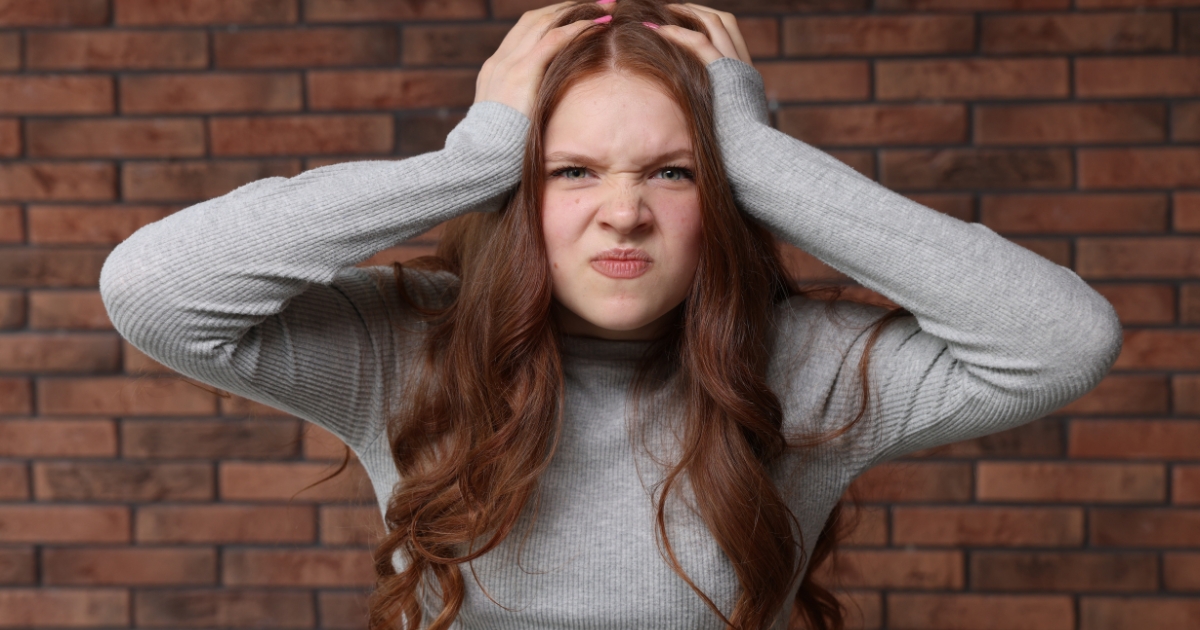
While understanding ASMR meaning encompasses legitimate relaxation benefits, excessive reliance on ASMR content can indicate that a teen is using these videos to avoid rather than address underlying mental health issues. Parents exploring the ASMR meaning should watch for patterns where ASMR consumption increases alongside declining mood, worsening anxiety symptoms, or deteriorating sleep quality despite nightly video viewing. If a teen cannot fall asleep without ASMR or spends multiple hours daily watching content instead of engaging in other activities, these behaviors suggest ASMR has become a crutch rather than a tool. The autonomous sensory meridian response explained by mental health professionals should be understood as a temporary relaxation technique, not a treatment for clinical anxiety disorders, depression, or insomnia that requires evidence-based therapeutic intervention. Red flags include social withdrawal where ASMR replaces real human connection, academic decline due to excessive nighttime viewing, or a teen’s insistence that understanding the ASMR meaning alone will solve their mental health struggles.
The full ASMR meaning includes understanding what ASMR sensation is, which helps parents recognize that while the physical response provides real comfort, it doesn’t teach teens the emotional regulation skills, cognitive restructuring techniques, or behavioral strategies necessary for long-term mental wellness. ASMR offers symptom relief but doesn’t address root causes like trauma or chronic stress that may be driving anxiety and sleep disturbances. Mental health professionals emphasize that ASMR benefits for mental health are maximized when ASMR serves as one component of a comprehensive wellness approach that includes therapy, healthy sleep hygiene, physical activity, social connection, and, when necessary, psychiatric care. Parents should initiate non-judgmental conversations about why their teen is drawn to ASMR, what they’re seeking from the content, and whether they feel their current coping strategies adequately support their mental health. The true ASMR meaning in a clinical context is as a supplementary relaxation tool, not a replacement for professional mental health treatment. If a teen’s distress persists or worsens despite regular ASMR use, professional assessment becomes essential to identify and treat underlying conditions.
| Healthy ASMR Use | Concerning ASMR Patterns |
|---|---|
| 15-30 minutes before bed as part of a wind-down routine | Multiple hours daily, interfering with homework or social activities |
| One of several coping strategies (exercise, journaling, socializing) | The only coping mechanism is to refuse to try other relaxation techniques |
| Occasional use for stress relief during difficult periods | Cannot function or sleep without ASMR, panics when unavailable |
| Anxiety/sleep issues remain stable or improve over time | Symptoms worsen despite increased ASMR consumption |
| Openly discusses ASMR use and its effects | Secretive about viewing habits, defensive when questioned |
Supporting Your Teen’s Mental Health Beyond ASMR at Teen Mental Health Texas
If your teen’s reliance on ASMR videos has you concerned about underlying anxiety, depression, or sleep disorders, Teen Mental Health Texas offers comprehensive assessment and evidence-based treatment designed specifically for adolescents. While understanding the ASMR meaning and recognizing its temporary benefits is important, professional mental health care addresses the root causes of distress rather than just managing symptoms. Our clinical team specializes in treating the complex mental health challenges facing today’s teenagers, including generalized anxiety disorder, social anxiety, panic disorder, depression, trauma, and insomnia that cannot be resolved through self-directed relaxation techniques alone. We utilize evidence-based therapeutic modalities, including Cognitive Behavioral Therapy (CBT) to address negative thought patterns, Dialectical Behavior Therapy (DBT) to build emotional regulation skills, and family therapy to strengthen communication and support systems at home. Our comprehensive assessment process evaluates each teen’s unique needs, strengths, and challenges to create fully customized treatment plans that address individual circumstances rather than applying one-size-fits-all approaches. Teen Mental Health Texas creates a non-judgmental, teen-centered environment where adolescents feel heard, understood, and empowered to take an active role in their recovery journey while parents receive the guidance and support they need to effectively help their children through difficult times.
FAQs About ASMR and Teen Mental Health
Is ASMR scientifically proven to help with anxiety?
Research shows ASMR can temporarily reduce heart rate and increase relaxation in those who experience the ASMR tingles brain response. However, it’s not a substitute for clinical anxiety treatment and works best as a complementary relaxation technique alongside evidence-based therapies.
Why can’t I feel ASMR tingles like my teen does?
Only about 20% of people experience the characteristic tingling sensation when exploring ASMR, meaning and what ASMR sensation is, likely due to individual brain wiring differences. Not experiencing tingles doesn’t mean the content can’t still be calming or that the ASMR meaning is less valid for relaxation purposes.
How much time should teens spend watching ASMR videos?
ASMR can be helpful in moderation, with 15-30 minutes before bed being a reasonable guideline when considering how ASMR works for sleep. Excessive use that replaces sleep, social interaction, or other coping strategies may indicate underlying mental health issues requiring professional attention.
Can ASMR replace therapy for teen anxiety or insomnia?
No, while the ASMR benefits for mental health include temporary symptom relief, ASMR doesn’t address the underlying causes of anxiety or sleep disorders. Professional treatment teaches sustainable coping skills, processes root issues, and provides the comprehensive support teens need for lasting wellness.
Are there any risks to teens watching ASMR content?
ASMR itself is generally safe when parents fully grasp ASMR’s meaning and monitor content appropriateness and screen time. Concerns arise when teens use ASMR to avoid addressing mental health issues, when it interferes with daily functioning, or when dependence on videos increases rather than decreases over time.