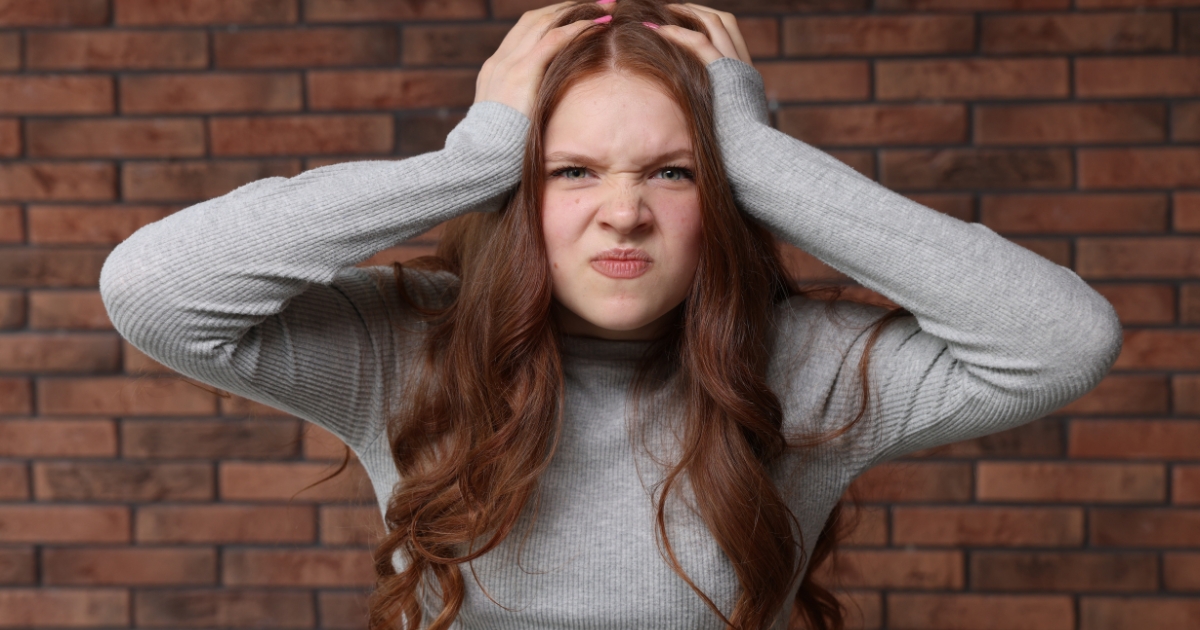


For decades, ADHD has been pictured as a hyperactive boy who cannot sit still. That image has left a lot of girls behind. ADHD symptoms in teen girls often look quieter, more internal, and easier to explain away as personality, anxiety, or simply not trying hard enough, which is exactly why so many girls reach adolescence without a diagnosis.
If your daughter seems bright but disorganized, sensitive to criticism, or exhausted from holding it all together, she may be managing symptoms that have gone unrecognized. This guide walks through how ADHD in teenage girls actually presents, the signs parents most often miss, and how the right support can change her experience. It is meant to inform, not to diagnose, since only a qualified professional can do that.
Why ADHD in Teenage Girls Often Remains Hidden
Girls with ADHD frequently fly under the radar because their symptoms tend to disrupt the classroom less. A daydreaming, cooperative student rarely prompts the same concern as a disruptive one, so her struggles go unnoticed until the demands of middle or high school outpace her ability to compensate.
The Gender Gap in ADHD Diagnosis
ADHD is diagnosed far more often in boys than girls, and research suggests this gap reflects under-recognition rather than a true difference in how common the condition is. A review of sex differences in adolescents found that girls are less frequently treated because of underdiagnosis and because they more often show inattentive, less disruptive behavior. The result is that many girls are identified later, sometimes not until adulthood.
How Symptoms Present Differently Than in Boys
The CDC notes that ADHD can present as mostly inattentive, mostly hyperactive-impulsive, or a combination, and that the way symptoms appear may change over time. Girls more often fall into the inattentive presentation, with difficulty focusing and organizing rather than overt hyperactivity. Because these signs are subtle, they are easily mistaken for laziness, anxiety, or moodiness.
The table below shows how some common signs in girls are often misread:
| What parents see | Often mistaken for | May actually reflect |
| Daydreaming, tuning out | Laziness or boredom | Inattentive presentation of ADHD |
| Big, fast emotional reactions | Drama or oversensitivity | Emotional dysregulation |
| Exhaustion or meltdowns after school | Just a long day | The toll of masking all day |
| Messy backpack and missed deadlines | Carelessness | Executive-function difficulty |
Inattention Symptoms That Parents Frequently Overlook
Inattention symptoms in girls are often misread as character traits rather than signs of ADHD. Parents and teachers frequently overlook:
- Frequent daydreaming or seeming to tune out mid-conversation.
- Losing track of belongings, assignments, and deadlines.
- Starting tasks with enthusiasm but rarely finishing them.
- Careless mistakes on schoolwork despite real ability.
- Needing instructions repeated, or appearing not to listen.
On their own, any of these can look like a motivation problem. Taken together and persisting over time, they may point to an inattentive presentation that deserves a closer look from a professional.
Hyperactivity in Girls: Beyond Fidgeting and Restlessness
Hyperactivity in girls does not always look like bouncing off the walls. It often turns inward, showing up as a restless mind, excessive talking, emotional intensity, or a constant sense of being driven without knowing why. Because it is less visible, this form of hyperactivity is regularly missed.
Internal Restlessness Versus External Hyperactivity
External hyperactivity, more common in boys, is easy to observe: running, climbing, an inability to stay seated. Internal restlessness, more common in girls, is felt rather than seen. A girl may appear calm while feeling anxious, impatient, or mentally scattered inside. She might fill every moment with activity, chatter, or worry, which can be mistaken for anxiety rather than recognized as a quieter expression of ADHD.
Executive Function Challenges That Affect Daily Life
Executive function refers to the mental skills that help us plan, organize, manage time, and follow through. For teen girls with ADHD, weaknesses in these skills can affect nearly every part of daily life, from schoolwork to friendships to morning routines.

Time Management and Organization Struggles
Many girls with ADHD struggle to gauge how long tasks take, leading to procrastination, last-minute panic, and missed deadlines despite genuine effort. Backpacks, lockers, and bedrooms become overwhelming, and keeping track of multiple assignments across subjects can feel impossible. These are not signs of carelessness but of an executive-function system working against them.
Working Memory Issues in Academic Settings
Working memory, the ability to hold and use information in the moment, is often affected as well. A girl may read a paragraph and forget it immediately, lose her place during multi-step problems, or walk into a room having forgotten why. In academic settings, this can look like inconsistent performance: strong one day, lost the next, which confuses teachers and erodes the student’s confidence.
Emotional Dysregulation and Rejection Sensitive Dysphoria
Emotional dysregulation, difficulty managing the intensity of emotions, is a core but under-discussed part of ADHD. For many girls, feelings arrive big and fast, making it hard to recover from frustration, disappointment, or stress. This can be misread as oversensitivity or drama rather than a neurological pattern.
Closely related is rejection-sensitive dysphoria, an intense emotional response to perceived criticism or rejection. A small correction can feel devastating, and the fear of disappointing others can drive perfectionism, people-pleasing, or social withdrawal. Recognizing these patterns as part of ADHD, rather than as flaws, helps a teen feel understood instead of blamed.
How Hormonal Changes Intensify ADHD Symptoms in Adolescence
Adolescence brings significant hormonal shifts, and these changes can amplify ADHD symptoms. Fluctuating estrogen levels influence dopamine, the same neurotransmitter involved in attention and motivation, which is why many girls notice their symptoms intensify during their teen years.
The Role of Puberty in Symptom Severity
As puberty progresses, the interaction between hormones and brain chemistry can make focus, mood, and emotional regulation harder to manage. Some girls find their symptoms vary across the menstrual cycle, worsening at points when estrogen drops. Understanding this connection helps parents see that a teen’s increasing struggles may reflect biology rather than a sudden change in attitude.
Masking ADHD: When Teen Girls Hide Their Struggles
Many girls become skilled at masking ADHD, hiding their difficulties to fit in and meet expectations. Masking takes real effort and often hides how much a girl is struggling. Common masking behaviors include:
- Working twice as hard to keep grades looking effortless.
- Copying peers’ organizational habits to appear on top of things.
- Staying quiet to avoid drawing attention to confusion.
- Over-apologizing or people-pleasing to smooth over mistakes.
- Melting down at home after holding it together all day at school.
Masking can be so convincing that adults assume everything is fine, which delays diagnosis and support. The exhaustion of constant masking can also contribute to anxiety, low self-esteem, and burnout.
Getting Accurate Support at Teen Mental Health Texas
When ADHD in teenage girls goes unrecognized, the cost is not just academic; it affects confidence, relationships, and mental health. Accurate assessment looks beyond the classic hyperactive stereotype to consider inattention, internal restlessness, emotional dysregulation, and masking. With the right understanding, girls can get support tailored to how ADHD actually shows up for them.
At Teen Mental Health Texas, evaluation and care are designed with these often-missed presentations in mind. Recognizing the full picture, from executive-function struggles to rejection sensitive dysphoria, allows a teen to feel seen and to build skills and confidence rather than continue to struggle in silence.
If you recognize your daughter in these patterns, a professional evaluation can bring answers and relief. Contact Teen Mental Health Texas today to learn how the right support can help her thrive.

FAQs
-
Why do inattention symptoms in teenage girls often look like daydreaming or lack of motivation?
Girls more often have the inattentive presentation of ADHD, which shows up as difficulty focusing, tuning out, and trouble following through rather than visible hyperactivity. Because these signs are quiet, adults tend to read them as daydreaming or low motivation. The underlying cause is often a neurological difference in attention regulation, not a lack of effort.
-
Can rejection sensitive dysphoria in girls manifest as social withdrawal rather than outward anger?
Yes. Rejection sensitive dysphoria can drive intense reactions to perceived criticism, and in girls this often turns inward as withdrawal, anxiety, or people-pleasing rather than visible anger. A teen may avoid social situations to protect herself from possible rejection. This can be mistaken for shyness rather than recognized as part of ADHD.
-
How do hormonal fluctuations during the menstrual cycle affect ADHD symptoms in adolescent girls?
Estrogen influences dopamine, which is central to attention and motivation, so shifts across the menstrual cycle can change symptom intensity. Many girls notice that focus and emotional regulation feel harder when estrogen drops. These patterns reflect the interaction between hormones and brain chemistry rather than inconsistency in effort.
-
What executive function struggles make it hard for girls to maintain friendships despite wanting them?
Difficulties with working memory, time management, and emotional regulation can make it hard to remember plans, respond consistently, or recover from conflict. A girl may genuinely want close friendships but struggle to keep up with the back-and-forth they require. These challenges are part of how ADHD affects daily functioning.
-
Does masking ADHD in school settings cause different behavioral patterns at home versus in class?
Often, yes. Many girls work hard to appear organized and calm at school, then release the built-up stress at home through irritability or emotional meltdowns. This after-school crash can confuse parents who hear that everything is fine in class. The contrast itself can be a clue that a teen is masking.